Three Pagodas

Heritage · Yunnan · 崇圣寺三塔

Three Pagodas

Dali

Three Pagodas · ChinaMazing

Discover

Core Sights

The essential sights — what they are, and when to go.

Three Pagodas

Sight 1

Three Pagodas

三塔

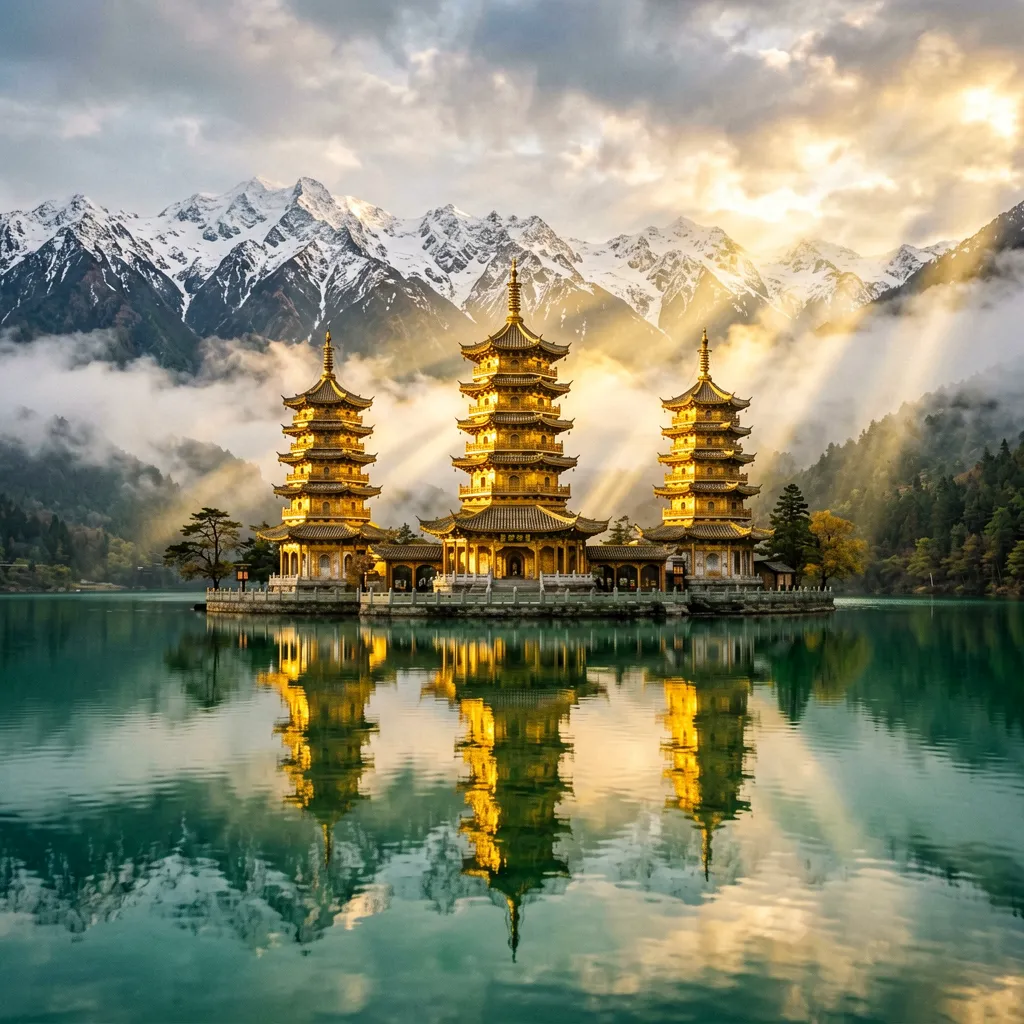
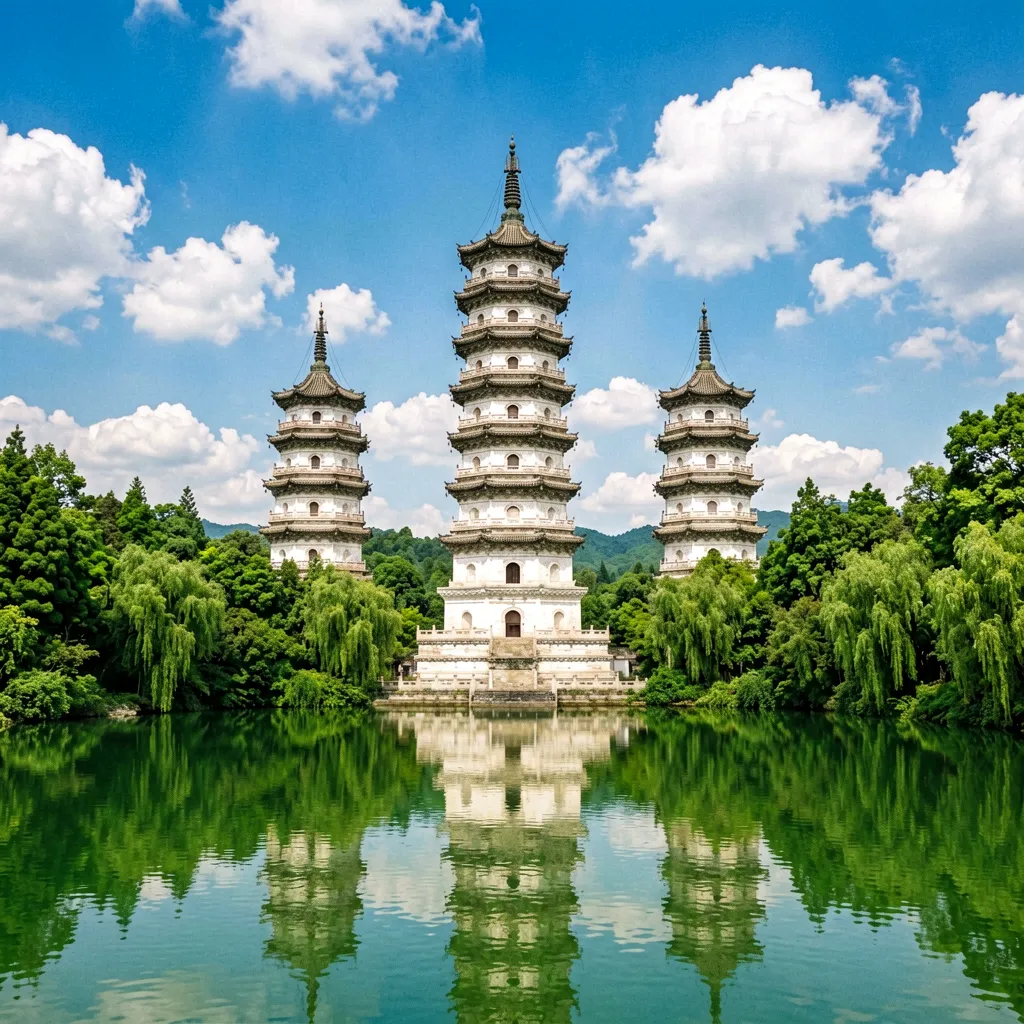
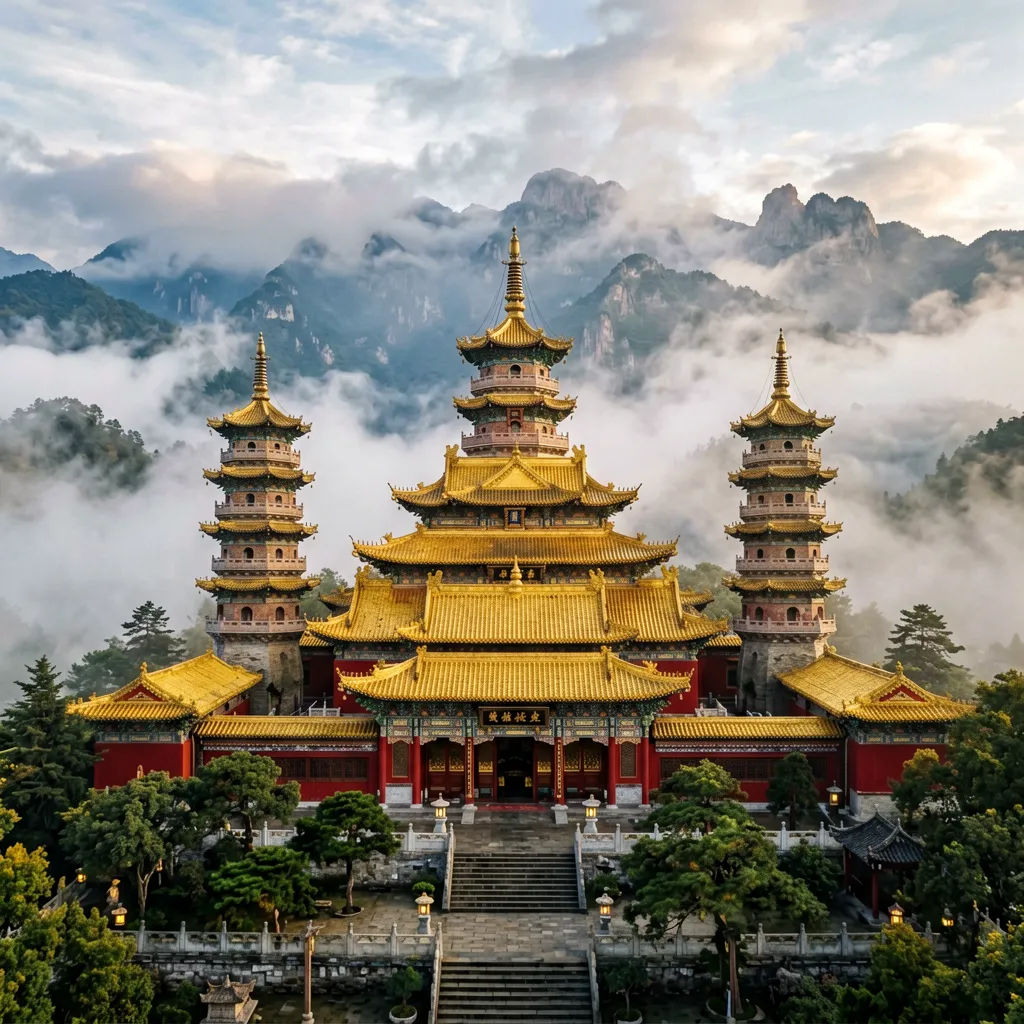
The Three Pagodas. Located northwest of Dali Ancient City, the Three Pagodas are the iconic structures of Chongsheng Temple and a symbol of Dali's history and Buddhist culture. The main pagoda, Qianxun Pagoda, was built during the Tang Dynasty with a dense-eaved brick structure, featuring a simple yet majestic design. The two smaller pagodas, erected during the Song Dynasty, are octagonal and stand in a tripod formation with the main pagoda. Having weathered over a thousand years of wind and rain, as well as numerous earthquakes, the Three Pagodas remain standing, showcasing the exceptional craftsmanship of ancient builders. With Cangshan Mountain as a backdrop and Erhai Lake as a mirror in front, the scenery is breathtaking, making it an ideal spot for photography and immersing oneself in the culture of the Nanzhao and Dali Kingdoms.
Chongsheng Temple

Sight 2

Chongsheng Temple

崇圣寺

Chongsheng Temple. Located in Dali, Yunnan, Chongsheng Temple sits with its back against the Cangshan Mountain and faces the Erhai Lake. It was the royal temple of the ancient Dali Kingdom. The Three Pagodas standing tall in front of the temple have been remarkably well-preserved through over a thousand years of wind and rain, making them an iconic landmark of Dali. The temple complex boasts grand architecture, laid out in layers along a central axis, blending the architectural styles of the Tang Dynasty and the Nanzhao Kingdom. Visitors can immerse themselves in the rich historical and cultural atmosphere, enjoy panoramic views of the Cangshan Mountain and Erhai Lake, and experience the royal grandeur of the Nanzhao and Dali Kingdom era.

Yutong Guanyin Hall

Sight 3

Yutong Guanyin Hall

雨铜观音殿

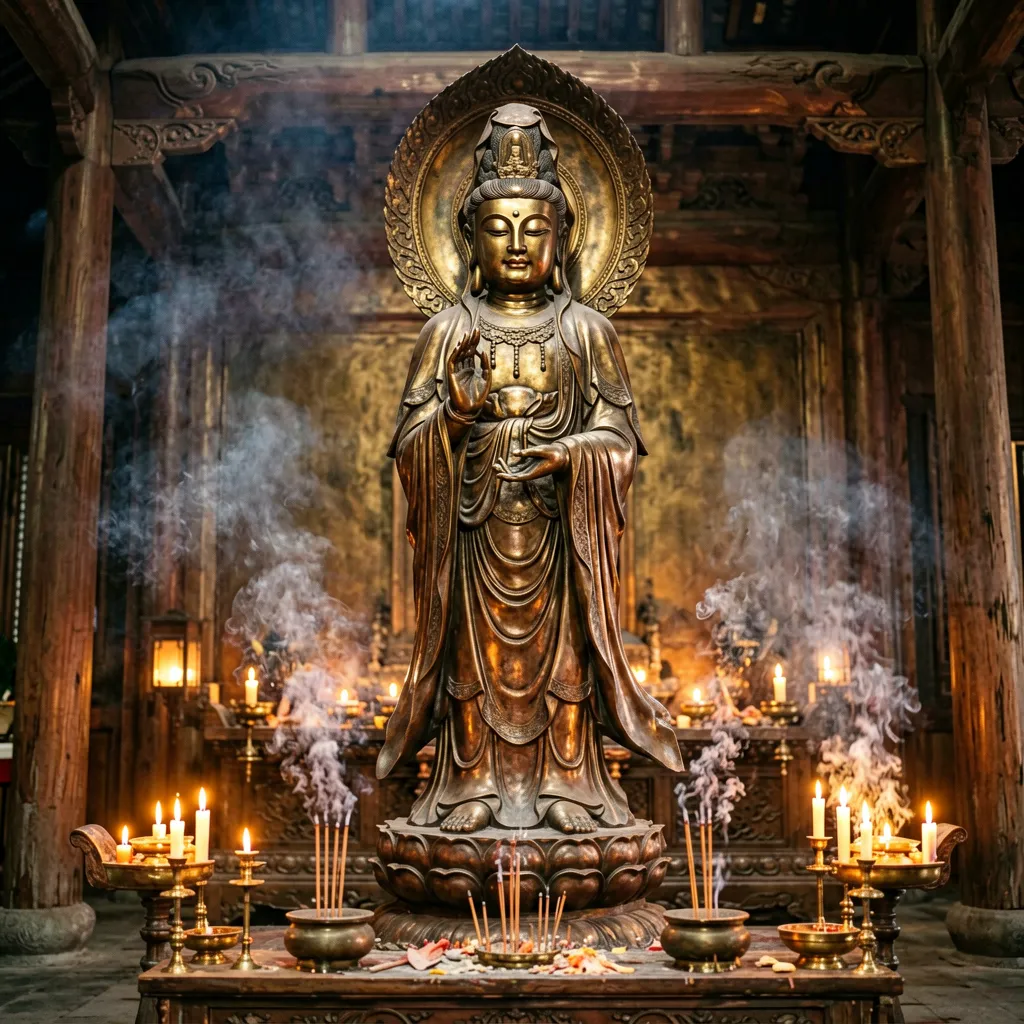
The Rain Copper Avalokitesvara Hall is located within the Three Pagodas Scenic Area of Chongsheng Temple. It derives its name from the enshrined statue of Rain Copper Avalokitesvara, which, according to legend, was cast from copper that fell as rain from the heavens. The main statue inside the hall stands several zhang tall, exuding solemn dignity and crafted with exquisite skill, showcasing the Buddhist artistry and casting techniques of the Nanzhao and Dali Kingdom periods. The hall's magnificent architecture echoes harmoniously with the Three Pagodas, serving as an important window into Bai Buddhist culture. Visitors can experience the tranquility of this millennium-old temple and the power of faith, while appreciating the unique charm of Yunnan's diverse cultural heritage.

Jianji Bell Tower

Sight 4

Jianji Bell Tower

南诏建极大钟楼

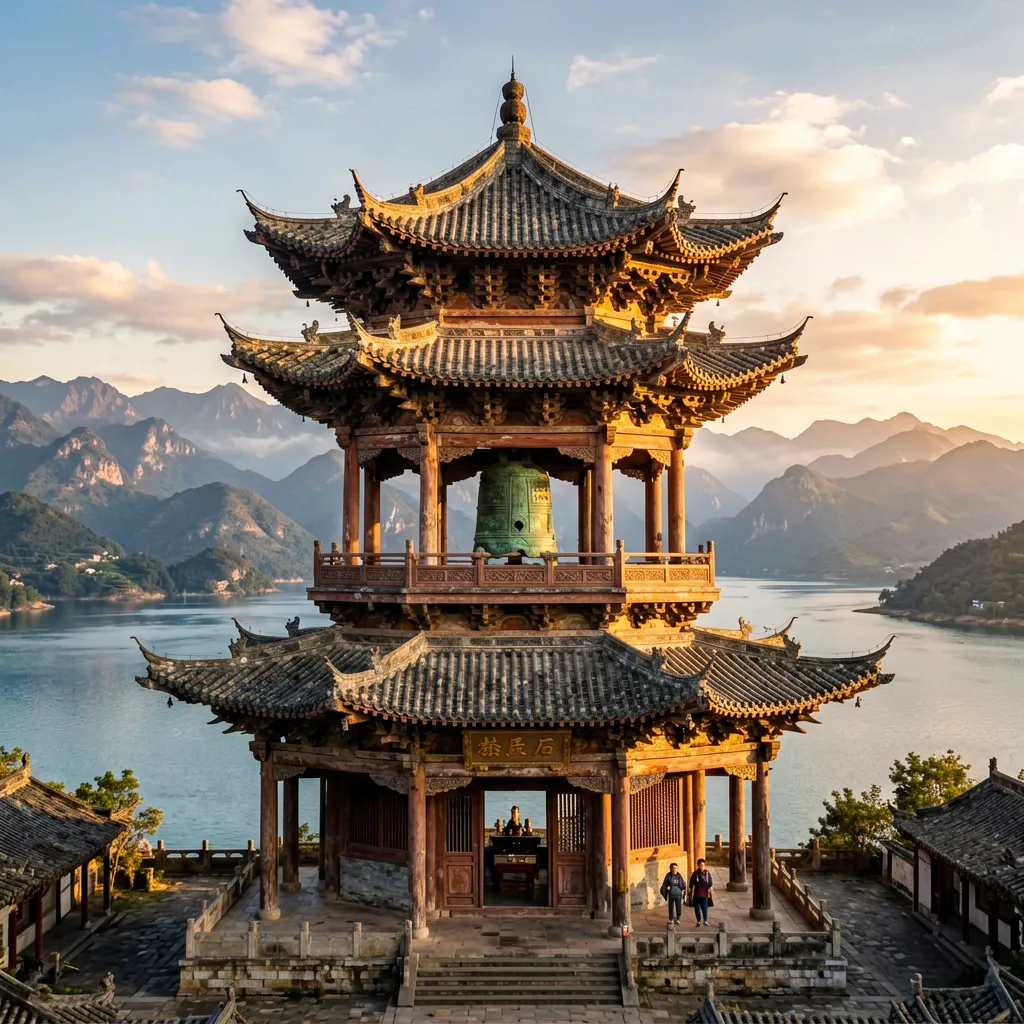
Nanzhao Jianji Bell Tower. As a key component of the Chongsheng Temple Three Pagodas scenic area, this simple yet dignified pavilion once housed the great Jianji Bell cast during the Nanzhao period, whose tolling once resounded across the Cangshan and Erhai region. The original bell was lost to history, and the tower we see today is a reconstruction built in the traditional style, now holding a new bronze bell within. Ascending the bell tower not only offers insight into the brilliance of Nanzhao Buddhist culture but also grants a panoramic view of the Three Pagodas, Cangshan Mountain, and Erhai Lake—making it an exceptional spot to experience both the history and natural beauty of Dali.

Reflection Pool

Sight 5

Reflection Pool

聚影池

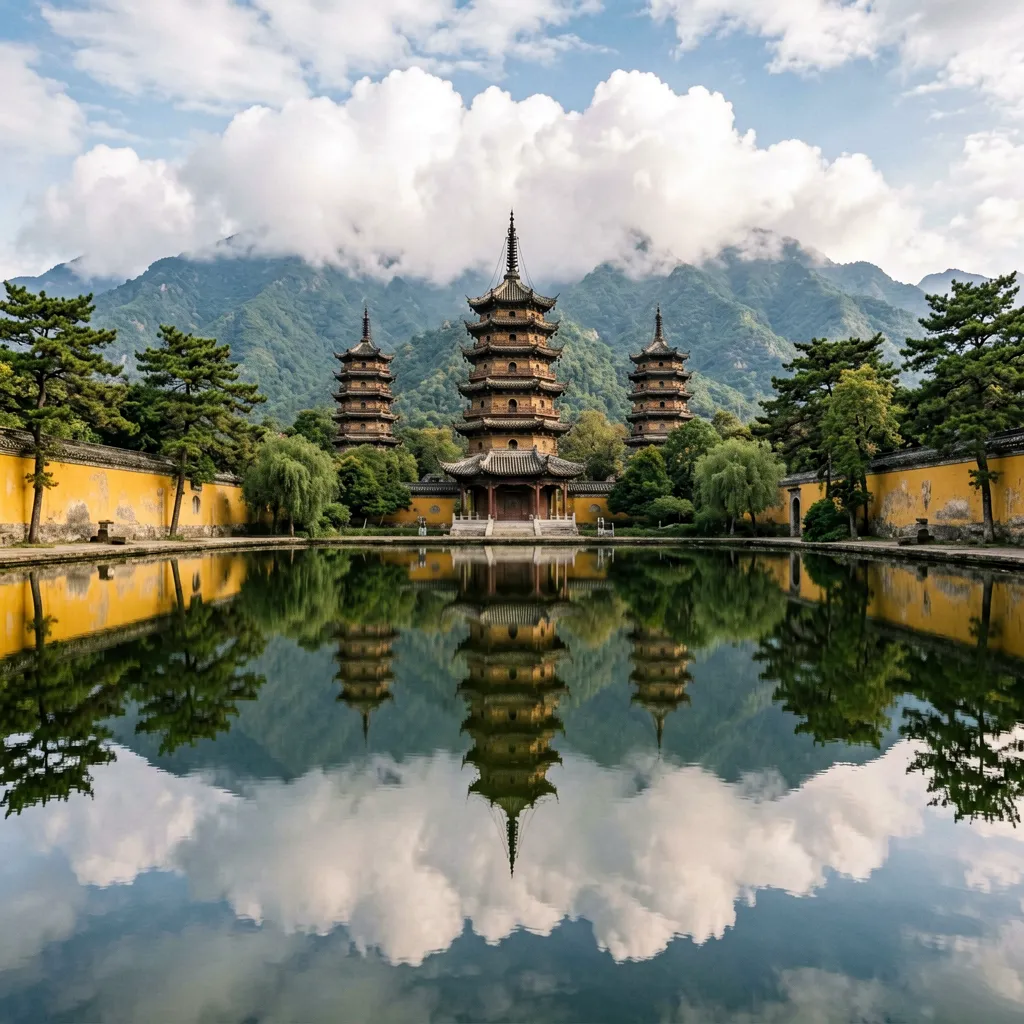
Shadow-gathering Pond. Located in front of the Three Pagodas of Chongsheng Temple, the Shadow-gathering Pond is an excellent spot for viewing and photographing the reflection of the three pagodas. The water is as calm as a mirror, reflecting the towering pagodas along with the clouds and shadows of Cangshan Mountain, creating the classic scene of "pagoda shadows stretching across the sky." At dawn or dusk, the interplay of light and shadow makes the view especially captivating. This spot is a paradise for photography enthusiasts and also offers visitors a serene space to appreciate the harmonious coexistence of the millennium-old pagodas and the natural landscape. Take your time during your visit, stroll around the pond, and admire the solemnity and elegance of the three pagodas from different angles.