Dali Old Town

Old Town · Yunnan · 大理古城

Dali Old Town

Dali

Dali Old Town · ChinaMazing

Discover

Core Sights

The essential sights — what they are, and when to go.

South Gate

Sight 1

South Gate

古城南门

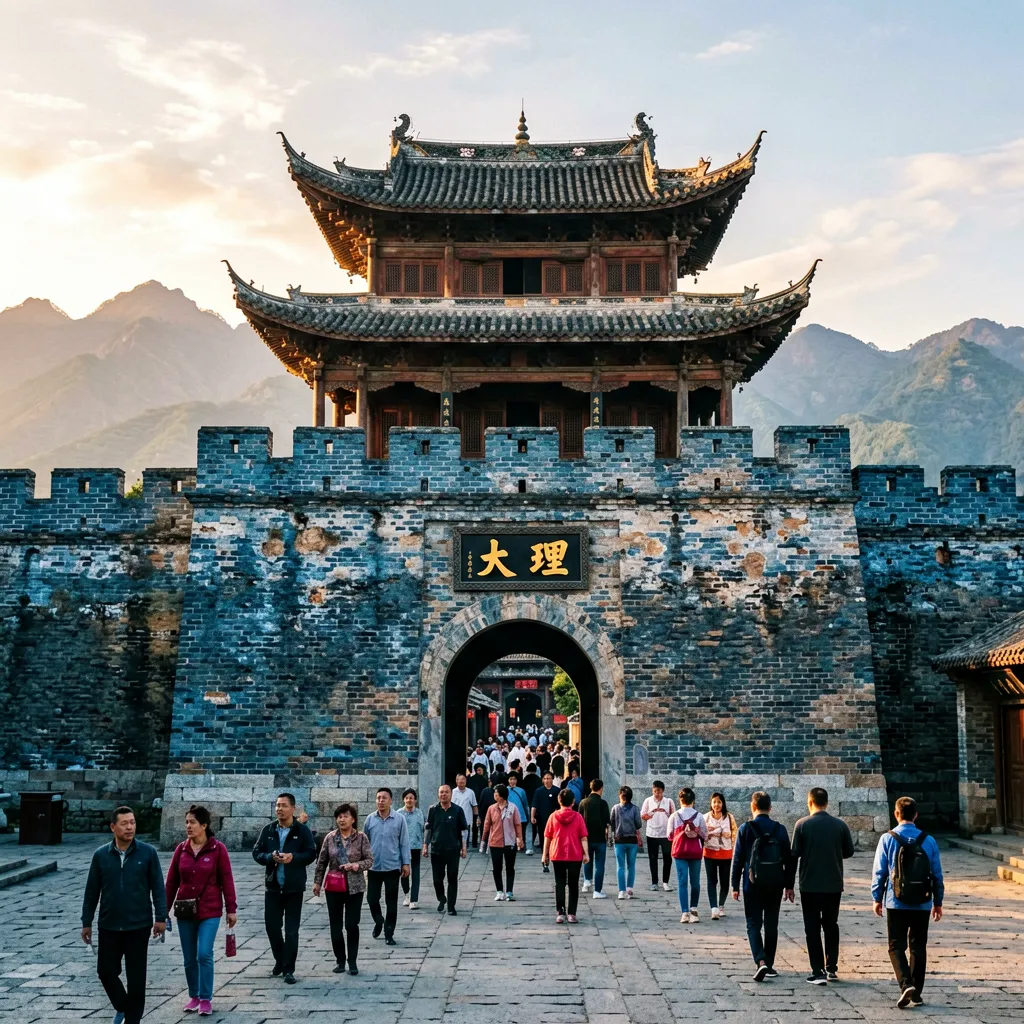
South Gate of the Ancient City. The South Gate of Dali Ancient City is its iconic entrance, originally built in the Ming Dynasty. The towering gate tower and massive city walls tell of a thousand years of history. Climbing to the top of the gate, visitors can gaze at the misty Cangshan Mountains in the distance, admire the shimmering waters of Erhai Lake up close, and look down upon the white-walled, grey-tiled Bai-style houses and stone-paved streets within the old town. Just inside and outside the gate, lively Fuxing Road strings together traditional shops, handicraft stores, and authentic local snacks, making it an excellent starting point for experiencing Bai culture in Dali and its laid-back lifestyle. Whether in the tranquility of early morning or the glow of evening lights, the South Gate draws visitors from around the world with its unique historical charm and cultural atmosphere.
Wuhua Tower

Sight 2

Wuhua Tower

五华楼

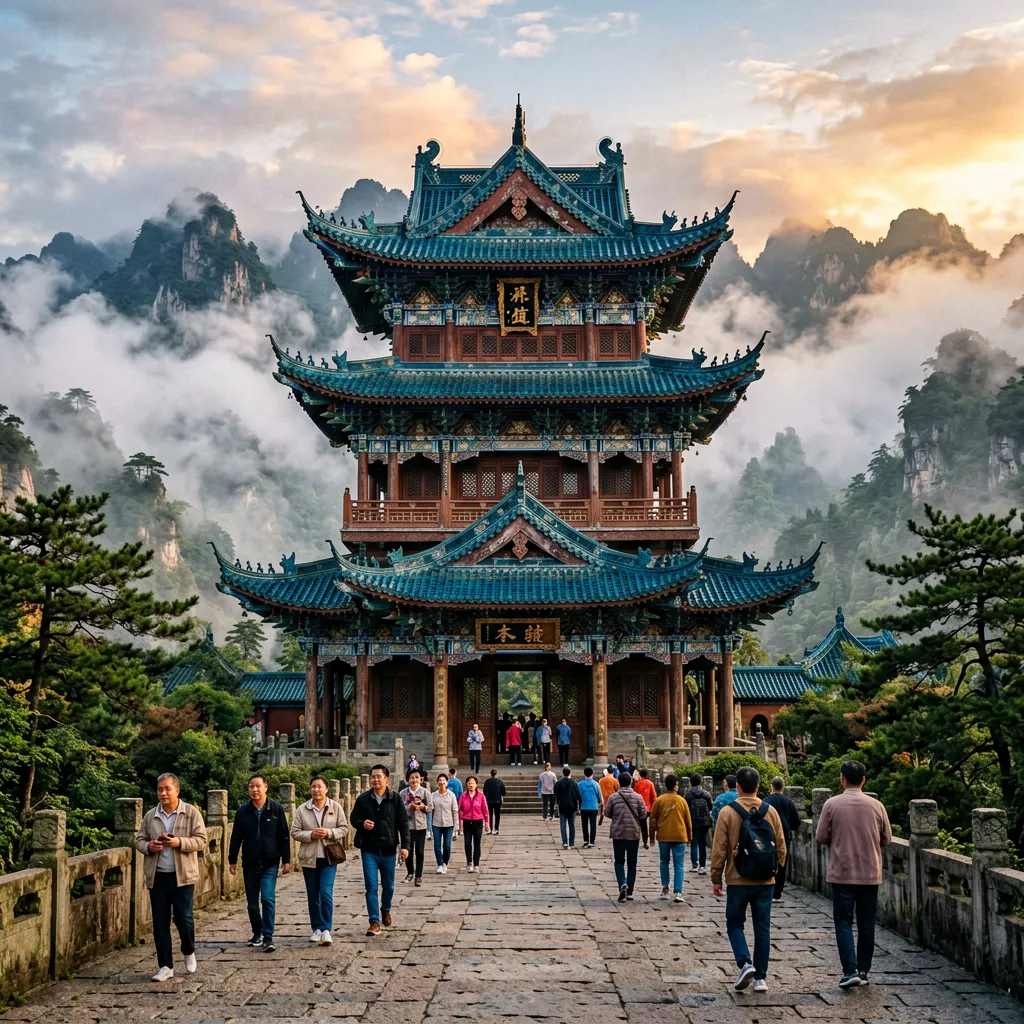
Wuhua Tower. Located at the heart of Dali Ancient City, Wuhua Tower is a landmark structure of the old town. Historically, it served as a venue for entertaining distinguished guests during the Nanzhao Kingdom, and after multiple reconstructions, the present structure is a modern restoration. Rising several stories high, the tower offers panoramic views of the city's chessboard-patterned streets and the distant Cangshan Mountain and Erhai Lake. With its upturned eaves, carved beams, and painted rafters, the architecture blends Bai ethnic characteristics with Central Plains influences. Surrounded by bustling shops, it is an ideal starting point for experiencing the ancient city's daily life and capturing sweeping views.

Foreigner Street

Sight 3

Foreigner Street

洋人街

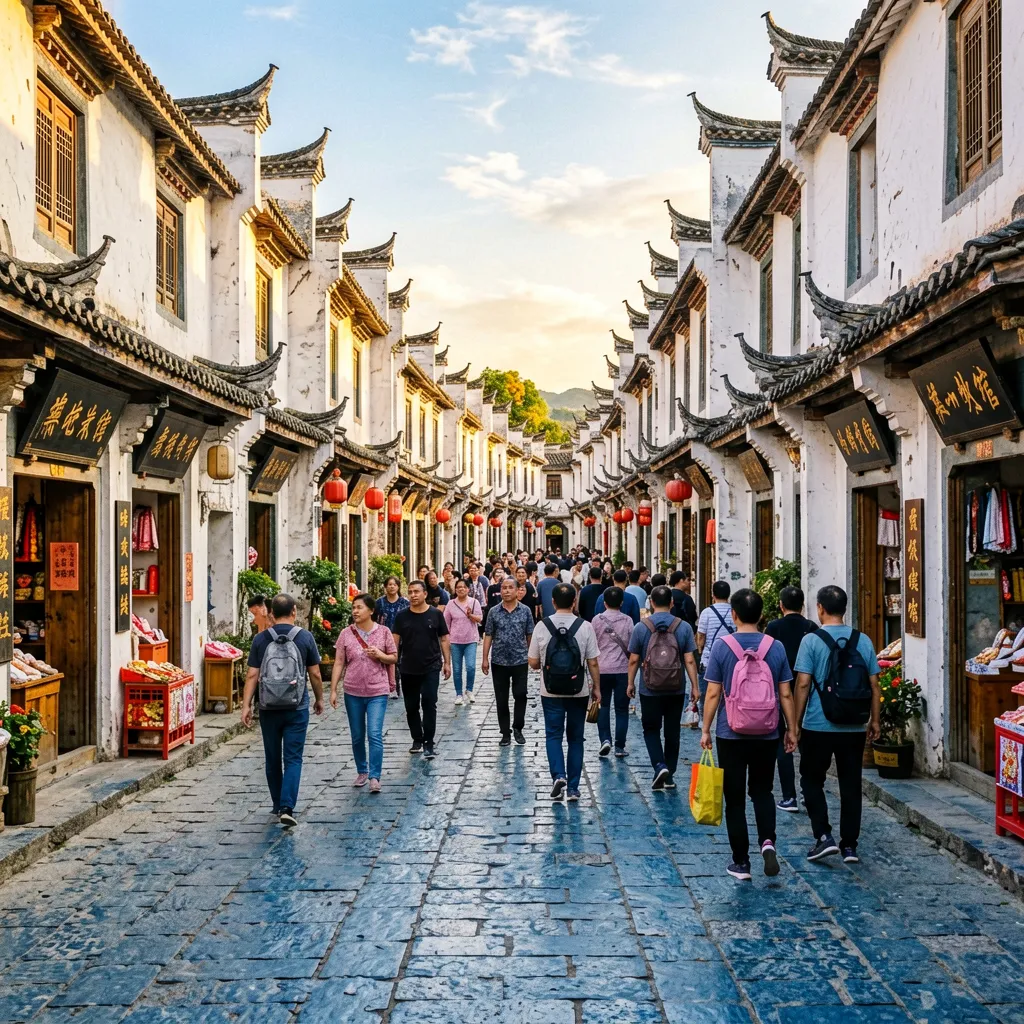
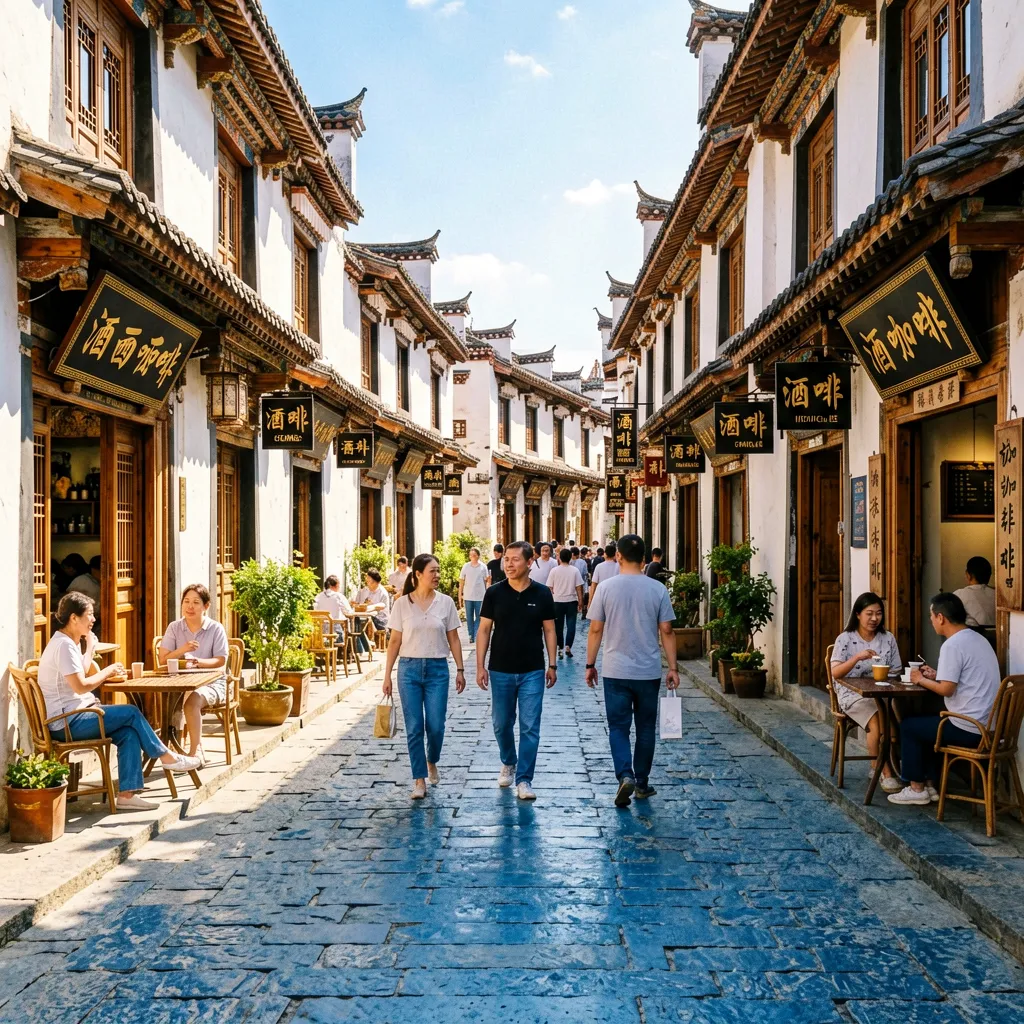
Foreigner Street. Located within Dali Ancient City, Foreigner Street was once a gathering place for overseas visitors and still retains an atmosphere of multicultural fusion today. Flanked by traditional Bai ethnic architecture with white walls and gray tiles, the stone-paved streets are古朴 (rustic) and tranquil. The street is lined with numerous cafés, Western restaurants, bars, and handicraft shops, blending exotic charm with local life. By day, you can take a leisurely stroll, admire the architectural details, and chat with shop owners; by night, the dimly lit street and soft music invite you to enjoy a drink and soak in the ancient city's relaxed, carefree vibe. It's an ideal spot to experience the collision of Dali's international flair and local character.

Renmin Road

Sight 4

Renmin Road

人民路

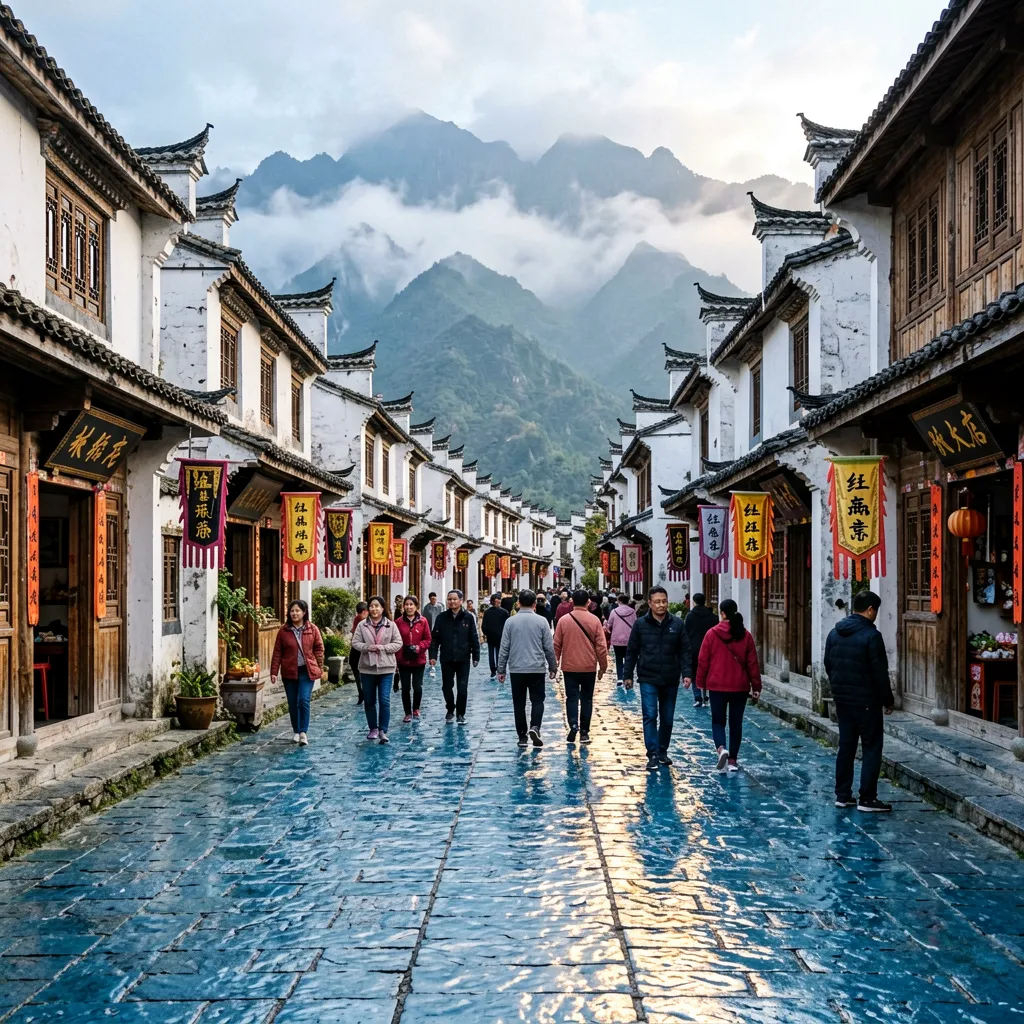
Renmin Road. Renmin Road is the main street in Dali Old Town that best embodies local life and artistic charm, running east-west and connecting the northern and southern parts of the ancient town. Lined with traditional Bai ethnic residences, unique shops, cafés, and handicraft stalls, it blends the lively atmosphere of local everyday life with the laid-back vibe of backpackers. Strolling along, you can enjoy street performers' shows, sample authentic local snacks, and shop for tie-dye fabrics, silverware, and other handicrafts. Compared with the bustling Fuxing Road, Renmin Road feels quieter and more easygoing — an ideal place to slow down and experience Dali's slow-paced lifestyle and the blend of diverse cultures.

Fuxing Road

Sight 5

Fuxing Road

复兴路

Sight 6

Marshal's Mansion

总统兵马大元帅府

Presidential Military Marshal's Residence. The Presidential Military Marshal's Residence, also known as Du Wenxiu's Marshal Residence, is located within the ancient city of Dali. This Qing-dynasty building once served as the headquarters of Du Wenxiu, leader of the Hui people's uprising, and now houses the Dali Municipal Museum. Within its walls are preserved historical materials on the uprising, stone inscriptions, and traditional Bai architectural craftsmanship, with a courtyard layout of exquisite variety. Visitors can gain insight into the history of multicultural fusion in the Dali region and witness physical evidence of major events in late-Qing Yunnan. Its architecture blends Han, Bai, and Hui styles, making it a precious relic for the study of ethnic history and ancient architectural art.