
Erhai Lake

Nature · Yunnan · 洱海

Erhai Lake

Dali

Erhai Lake · ChinaMazing

Discover

Core Sights

The essential sights — what they are, and when to go.

Xiaoputuo Island

Sight 1

Xiaoputuo Island

小普陀

Xiaoputuo is a tiny islet in Erhai Lake, named for its resemblance to Mount Putuo, the sacred site of Avalokitesvara Bodhisattva. On the islet stands a two-story pavilion dedicated to Guanyin, which attracts a steady stream of worshippers. Visitors can take a boat to the islet and enjoy panoramic views of the Cangshan Mountains and Erhai Lake. It is also a popular spot for watching sunrises and sunsets, especially in winter when seagulls gather, creating a picturesque scene alongside traditional Bai villages. With its unique island landscape and serene religious atmosphere, Xiaoputuo forms a brilliant highlight along the eastern shore of Erhai Lake. It is recommended to set aside half an hour to an hour for a visit, and to bring a camera to capture the beauty of the lake and mountains.


Nanzhao Style Island

Sight 2

Nanzhao Style Island

南诏风情岛

Nanzhao Customs Island. Nanzhao Customs Island is a pearl in Erhai Lake, themed around the history and culture of the Nanzhao Kingdom. The island is lush with greenery, and the lakeside walking path offers panoramic views of Cangshan Mountain and Erhai Lake. Key highlights include the Nanzhao Imperial Palace, the Benzhu Culture Square, and the Shayimu Sculpture Group, which recreate the court life of the ancient Nanzhao Kingdom and the Bai people's Benzhu faith. The island also features traditional Bai architecture and folk customs exhibits, where visitors can experience intangible cultural heritage projects such as Bai tie-dyeing and the Three-Course Tea. Gazing from the island, water and sky merge into one—an ideal spot to appreciate Dali's "wind, flowers, snow, and moon" alongside its ethnic charm.

Shuanglang Ancient Town

Sight 3

Shuanglang Ancient Town

双廊古镇

Shuanglang Ancient Town. Nestled on the eastern shore of Erhai Lake, Shuanglang Ancient Town is an exceptional place to admire the lake's scenery and experience Bai culture. Set against mountains and water, the town features traditional Bai dwellings arranged in pleasing disarray, with blue-stone alleys connecting the ancient stage, ornate screen walls with upturned eaves, and courtyard homes facing the lake. Strolling through the town, visitors can glimpse the snow-capped Cangshan Mountains in the distance and watch sailing boats drift across the shimmering waters up close. Art spaces and cafés stand side by side throughout the town, blending the charm of a centuries-old fishing village with the rhythm of modern slow living. Setting out from the harbor by boat, you can look back upon the full panorama of the town from the lake and savor the unique allure of this "Number One Town on the Cangshan–Erhai Scenic Belt."

Xizhou Ancient Town

Sight 4

Xizhou Ancient Town

喜洲古镇

Xizhou Ancient Town. Nestled on the western shore of Erhai Lake, Xizhou Ancient Town is one of the best-preserved ancient villages of Bai culture. It is renowned for its traditional Bai residences featuring grey-tiled roofs, whitewashed walls, and intricately carved beams and painted rafters. Century-old courtyards such as the Yan Family Compound exemplify the architectural wisdom of the "three rooms and one screen wall" design. Strolling through the town, visitors can admire intangible cultural heritage crafts like tie-dye and Xizhou baba (a traditional flatbread), while soaking in the vibrant local atmosphere. Beyond the town, rice paddies blend harmoniously with the scenery of Erhai Lake, making it an ideal destination for cycling or hiking. Here, travelers can experience authentic Bai customs while enjoying panoramic views of the Cangshan Mountains and Erhai Lake—a perfect gateway to an in-depth exploration of Dali's culture.

Haisha Park

Sight 5

Haisha Park

海舌公园

Haishi Park (Haishè Park). Located on the western shore of Erhai Lake, Haishi Park is a narrow, tongue-shaped peninsula that stretches into the lake, hence its name. The park preserves pristine wetland landscapes, with swaying reeds and roosting waterbirds. Strolling along the walkways, visitors can admire the crystal-clear waters up close while gazing at the distant Cangshan snowcaps mirrored against the azure waves of Erhai Lake. It is an ideal spot to appreciate the scenery of Cangshan and Erhai and to experience the serenity of nature.

Caicun Wharf

Sight 6

Caicun Wharf

才村码头

Caicun Pier. Located on the western shore of Erhai Lake in Dali, Caicun Pier is an ideal starting point for experiencing the lake's scenery up close. With expansive views and crystal-clear waters, it offers a panoramic vista of the nineteen peaks of Cangshan Mountain, where drifting clouds, shifting light, and the Bai ethnic villages create a captivating scene. Traditional Bai folk houses are preserved around the pier, allowing visitors to wander through the village lanes and immerse themselves in local life. Boating on the lake is the main activity here, enjoyable year-round, with sunrise and sunset being the most breathtaking moments. This is a paradise for photography enthusiasts and an excellent choice for experiencing the slow-paced lifestyle of Dali.

Eat

Local Eats

The local dishes worth crossing town for.

Milk Fan
Eat 1

Milk Fan

乳扇

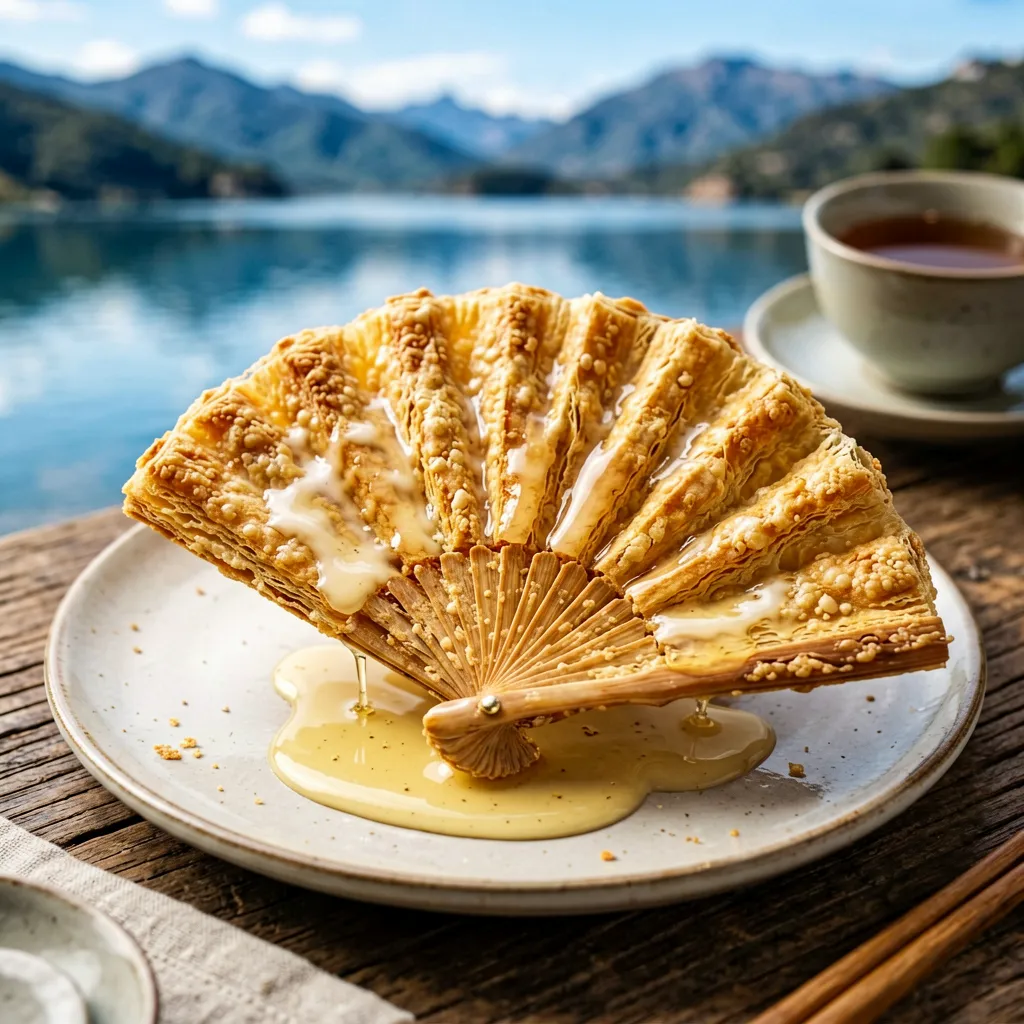
Rushan. Rushan is a traditional dairy product of the Bai ethnic group in Dali, Yunnan Province. Made from fresh cow's milk, it is processed with sour whey, stretched into thin sheets, and air-dried until it takes on the shape of a folding fan with a milky-white hue. It has a crispy, sweet taste and a rich milky aroma, and can be eaten raw, deep-fried, or grilled, often served with sugar or honey as a dip. Commonly found at markets and restaurants along the shores of Erhai Lake, Rushan is a representative specialty snack of Dali. For international visitors, its unique production process and flavor embody the essence of Bai culinary culture, making it a must-try delicacy to experience the local customs.

Clay Pot Fish
Eat 2

Clay Pot Fish

砂锅鱼

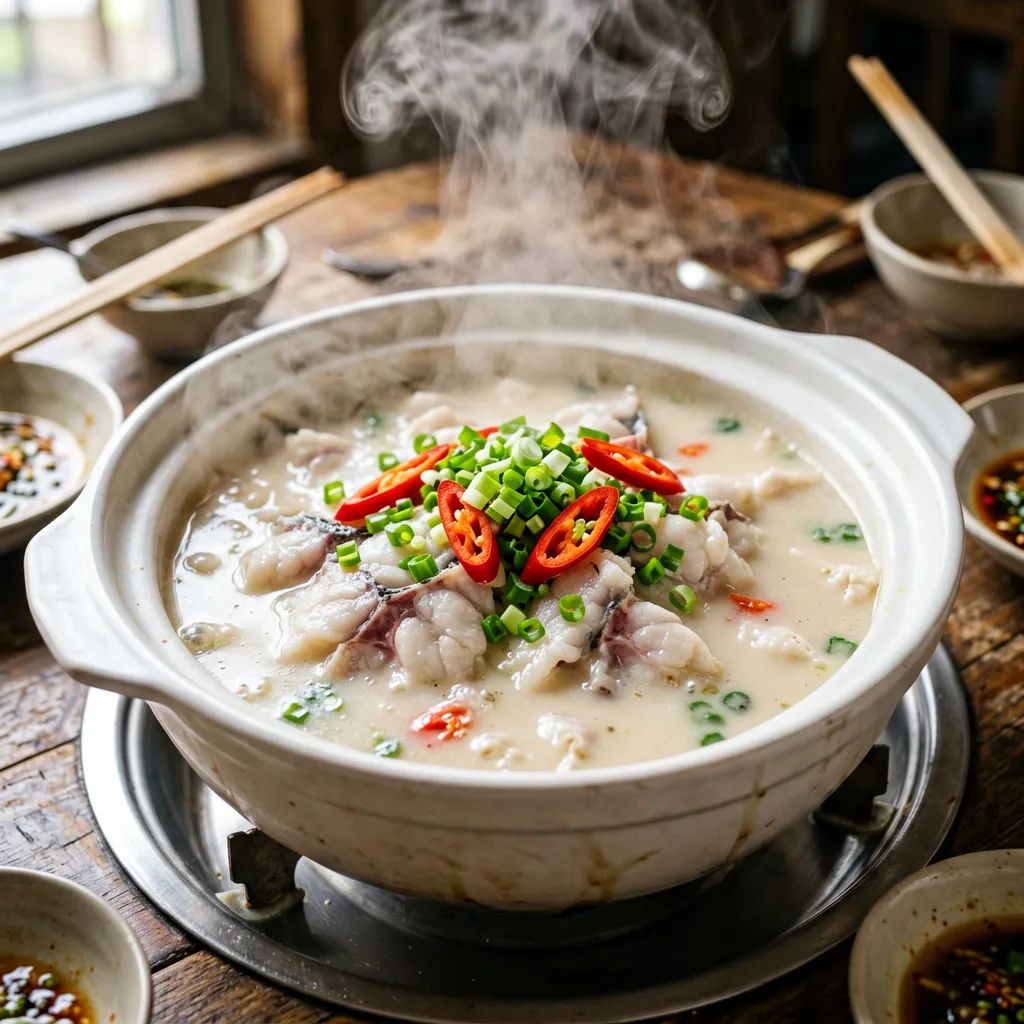
Clay Pot Fish. A traditional dish from the shores of Erhai Lake, featuring fresh fish from the lake, cooked slowly in a specially made clay pot with tofu, ham, and mushrooms. The fish is tender and smooth, the broth milky white, rich and savory. The clay pot conducts heat evenly, locking in the natural flavors of the ingredients, embodying the rustic yet refined style of Yunnan regional cooking. Tasting this dish not only lets you savor the bounty of Erhai Lake but also experience the unique charm of Bai ethnic food culture.

Xizhou Baba
Eat 3

Xizhou Baba

喜洲粑粑

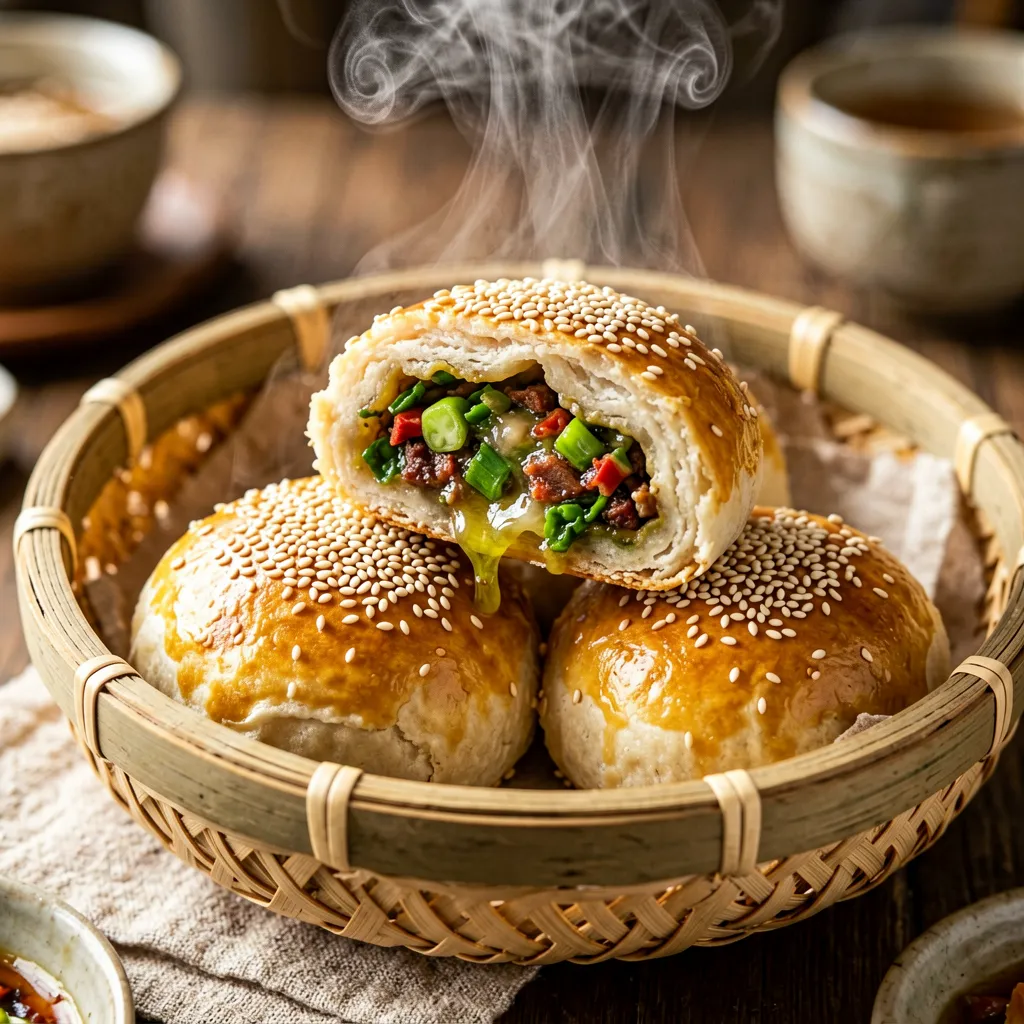
Xizhou Baba. Xizhou baba is a traditional snack from the ancient town of Xizhou in Dali, Yunnan, made from wheat flour, lard, and baked over charcoal fire. Its crust is golden and crispy, while the inside is layered and tender, available in both sweet and savory varieties: the sweet version is filled with rose sugar or red bean paste, while the savory one is wrapped with minced meat and chopped scallions. As a daily staple of the Bai ethnic group, it is often enjoyed with Pu'er tea. At the markets by Erhai Lake, the aroma of freshly baked baba fills the air, making it an unmissable street delicacy to experience the local culture.

Hot and Sour Fish
Eat 4

Hot and Sour Fish

酸辣鱼

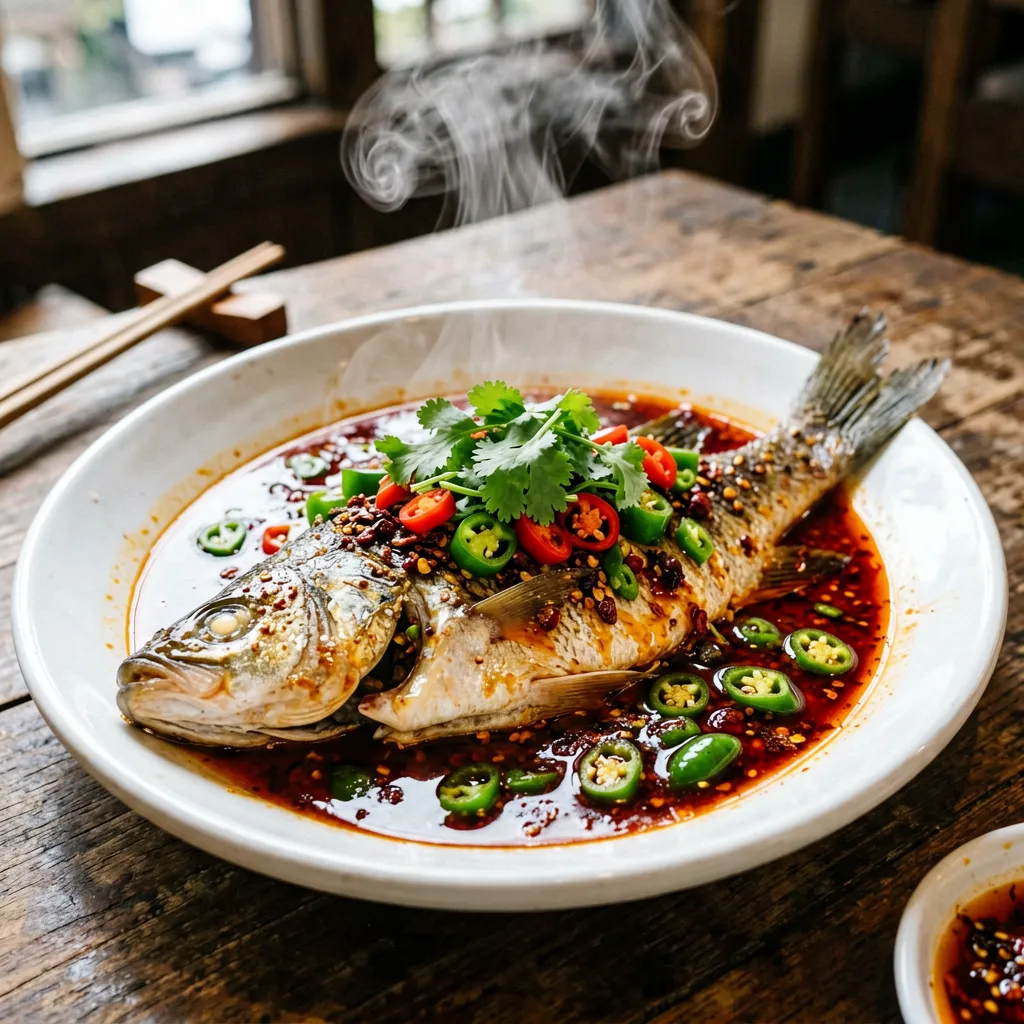
Sour and Spicy Fish. This dish is a signature specialty of the Bai ethnic group in Dali, made with fresh fish freshly caught from Erhai Lake as the main ingredient, cooked slowly over low heat with sour papaya and dried chili peppers. The fish is tender, and the broth is rich and tangy with a fruity aroma—remarkably appetizing. It is typically cooked together with tofu and potatoes, which absorb the flavors of the broth and pair perfectly with rice. This dish reflects the Bai people's preference for sour and spicy flavors and showcases the freshness of Erhai Lake's produce. Tasting sour and spicy fish is not just a delight for the palate, but also a way to experience the landscapes and culture of Dali.

Carved Plum
Eat 5

Carved Plum

雕梅

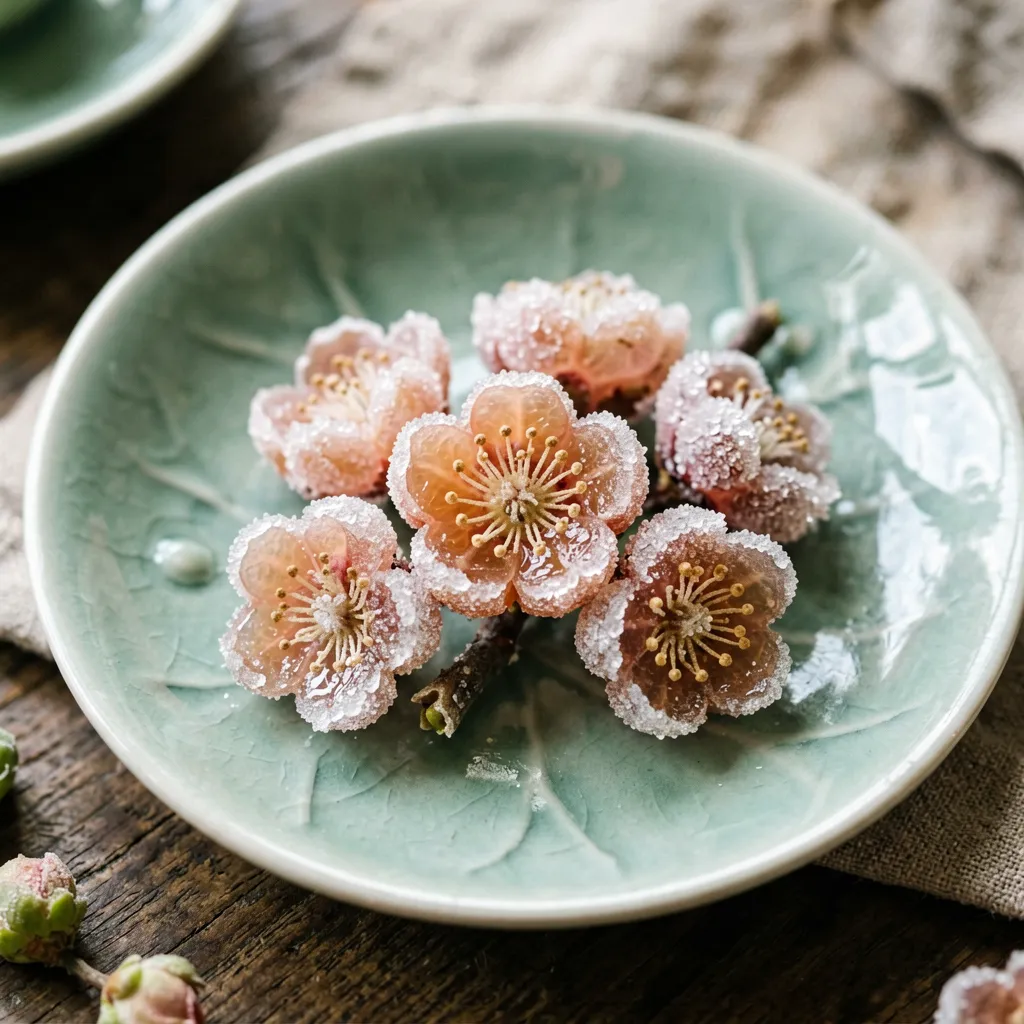
Carved Plums (Diao Mei). Carved plum is a traditional preserved fruit unique to the Dali region of Yunnan Province. Made from green plums, the fruit is hand-carved with delicate patterns before being candied in sugar. The finished product is golden yellow, resembling a chrysanthemum in shape, with a balanced sweet-and-sour flavor and a subtle hint of floral and fruity aromas. The craftsmanship is meticulous, making it not only a treasured delicacy for hosting guests among the local Bai people but also an artistic creation that showcases knife skills and patience. Visitors can sample this unique dual experience of taste and visual appeal at markets around Erhai Lake.