The Forbidden City

Heritage · Beijing · 故宫

The Forbidden City

Beijing

The Forbidden City · ChinaMazing

Discover

Core Sights

The essential sights — what they are, and when to go.

Hall of Supreme Harmony

Sight 1

Hall of Supreme Harmony

太和殿

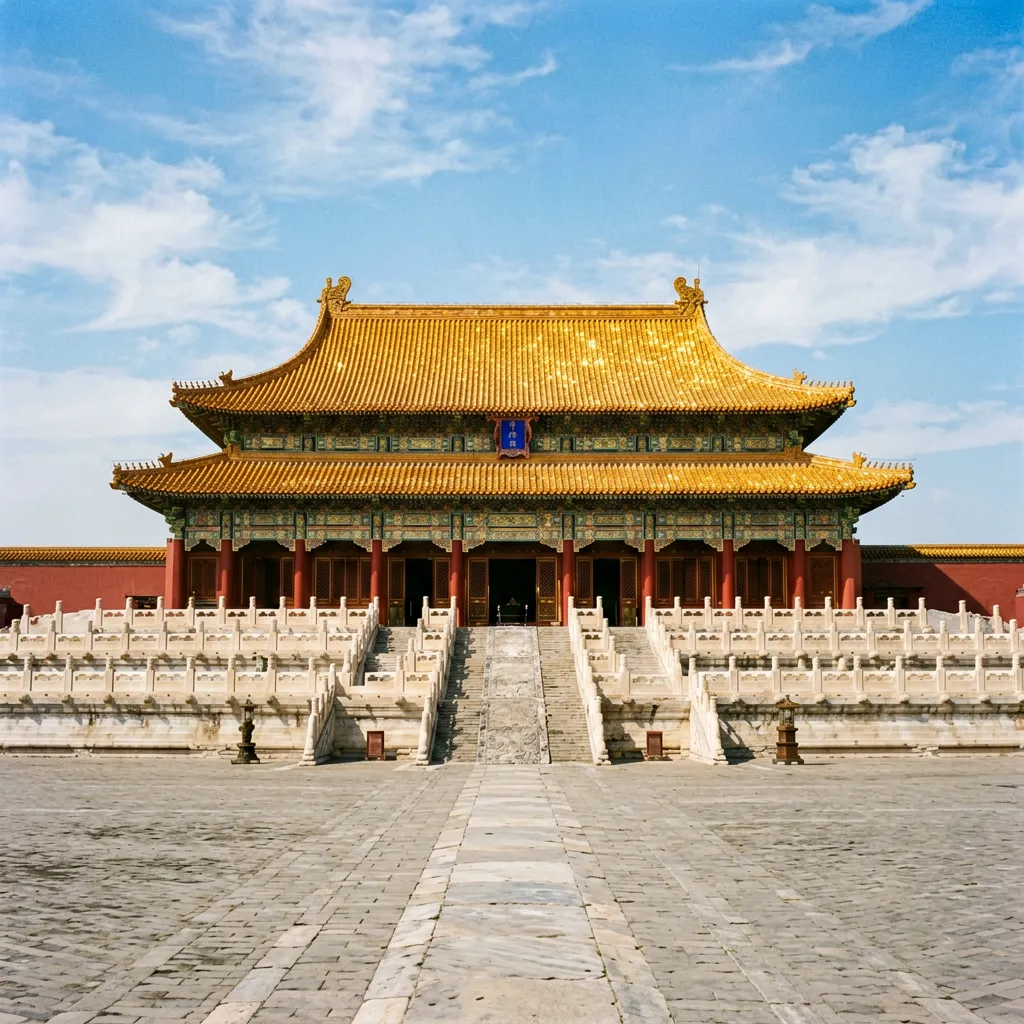
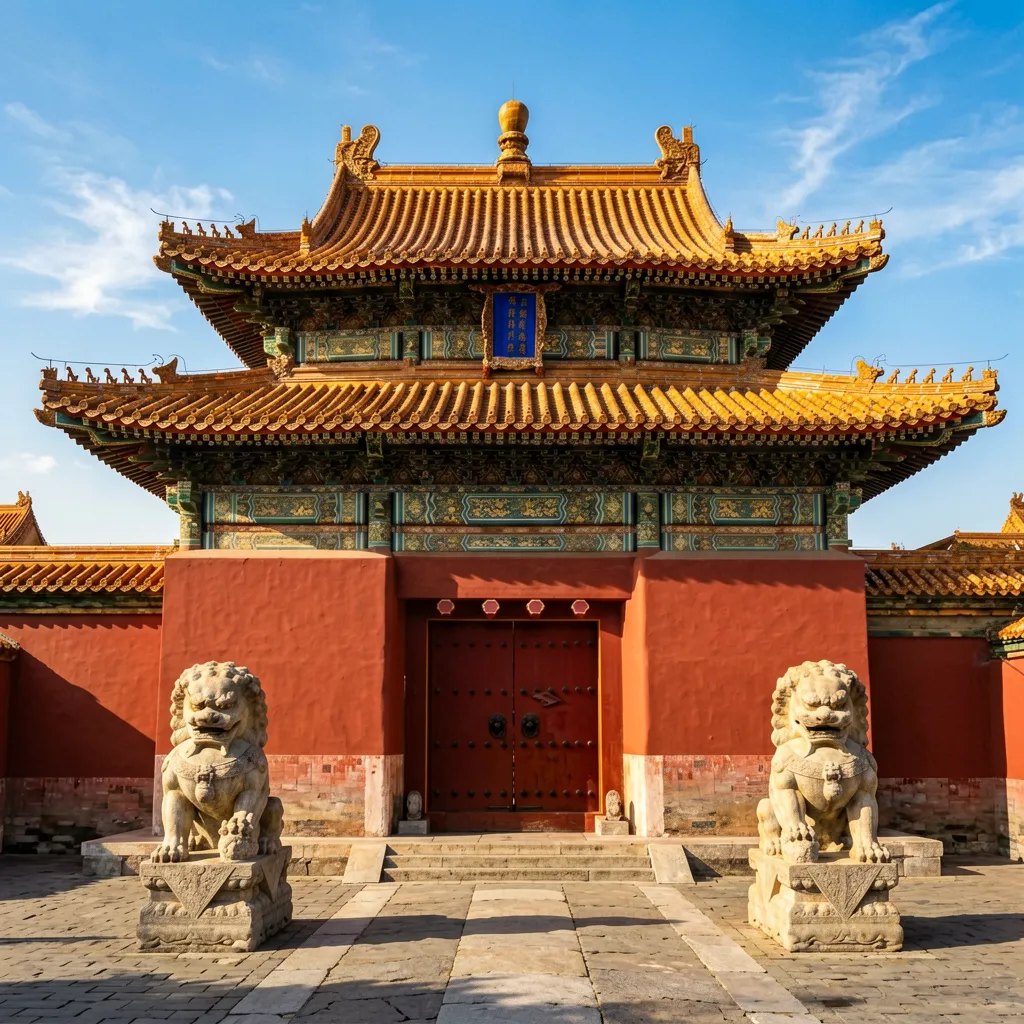
The Hall of Supreme Harmony. As the most magnificent palace along the central axis of the Forbidden City, it stands as the pinnacle of ancient Chinese palatial architecture. This was the venue where emperors of the Ming and Qing dynasties held grand ceremonies such as enthronements and imperial weddings, witnessing both the zenith and decline of China's feudal dynasties. The resplendent dragon throne and caisson ceiling within, as well as the bronze cranes and turtles on the three-tiered white marble terrace outside, all embody the supreme authority of imperial power. As the core structure of the Forbidden City, the Hall of Supreme Harmony not only represents the highest achievement of ancient Chinese architectural art but is also a must-visit site for understanding China's history and culture.
Palace of Heavenly Purity

Sight 2

Palace of Heavenly Purity

乾清宫

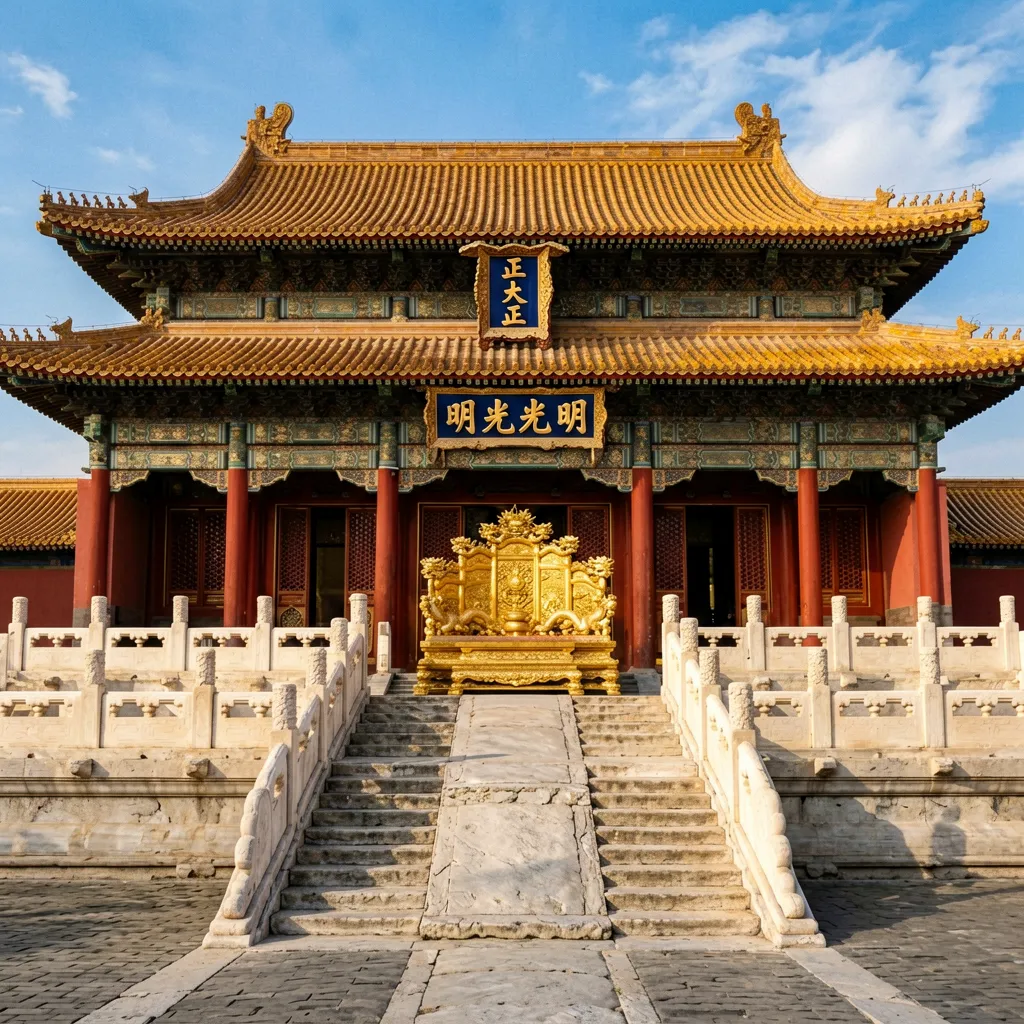
The Palace of Heavenly Purity. This is the main hall of the inner court of the Forbidden City, serving as the bedchamber and daily administrative venue for emperors of the Ming and Qing dynasties. A plaque bearing the inscription "Be Open and Aboveboard" hangs high inside the hall, which once concealed the secret edict naming the imperial heir. The architecture is grand, with floors paved in golden bricks, exuding royal splendor. Visitors can experience scenes of imperial life here and gain insight into court systems and historical anecdotes.

Hall of Mental Cultivation

Sight 3

Hall of Mental Cultivation

养心殿

The Hall of Mental Cultivation. This hall is a significant building within the inner court of the Forbidden City. Beginning with the reign of the Yongzheng Emperor in the Qing Dynasty, it served as the emperor's bedchamber and daily administrative office. It has witnessed numerous historical events and was where the emperor received ministers and reviewed memorials. The hall features a compact layout with clearly defined functional zones, showcasing the wisdom of the ancients through its heated brick beds (地炕) for winter warmth and straw matting (凉棚) for summer cooling. Although it is not frequently open to the public today, its architecture and furnishings still reflect the refinement and authority of Qing Dynasty court life.

Imperial Garden

Sight 4

Imperial Garden

御花园

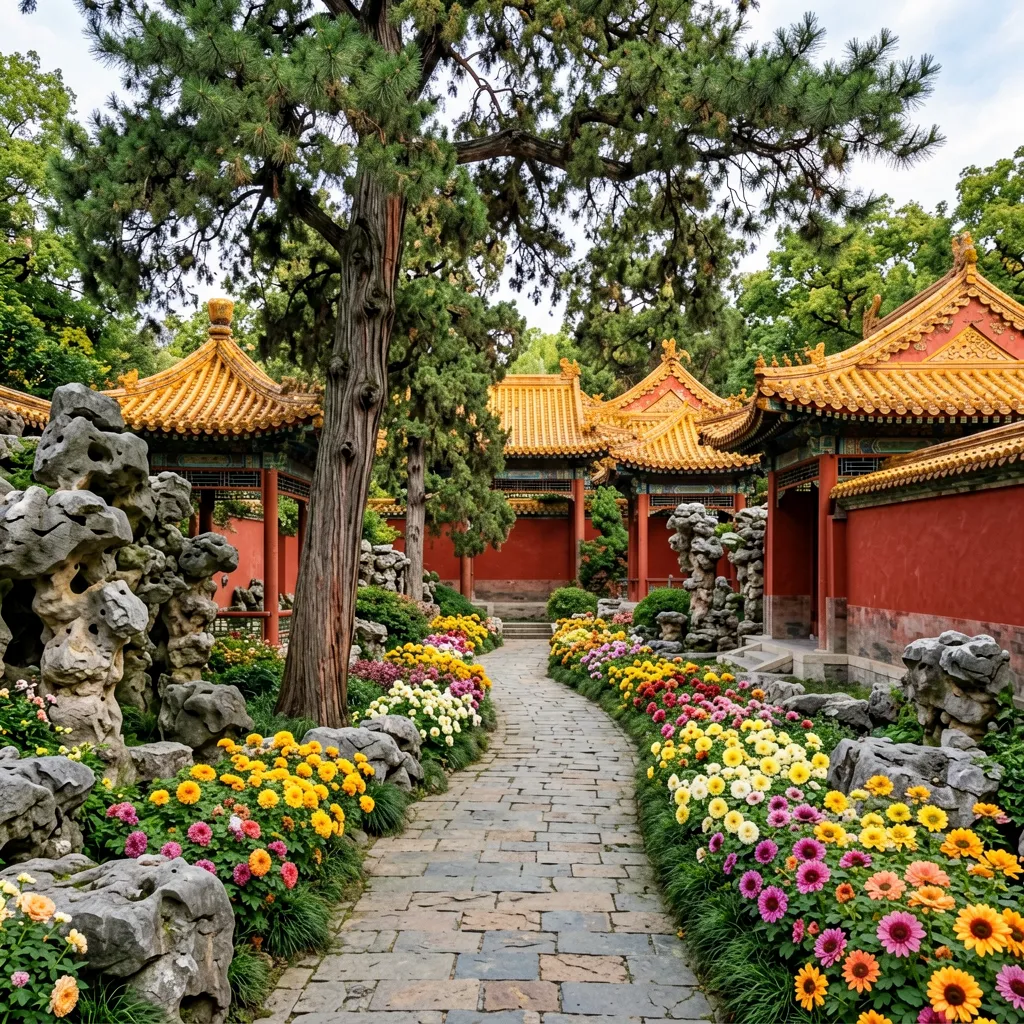
The Imperial Garden. Located at the northernmost point of the central axis of the Forbidden City, the Imperial Garden served as a place of leisure and repose for emperors and consorts during the Ming and Qing dynasties. Within the garden, ancient cypresses tower skyward, exotic rocks rise in rugged formations, and pavilions, terraces, and towers are arranged in exquisite, well-proportioned layout. The main structure, the Hall of Imperial Peace, enshrines the Dark Heaven God. The intertwining cypress trees before the hall and the Duixiu Hill in the garden are both masterpieces of classical Chinese garden art. With evergreen trees and flowers throughout the seasons, and blossoms in spring and fruits in autumn, the garden fully displays the elegance and solemnity of an imperial retreat. Strolling through it, one can sense the atmosphere of ancient court life and appreciate architectural aesthetics, making it an important window into understanding Chinese royal culture.

Treasure Gallery

Sight 5

Treasure Gallery

珍宝馆

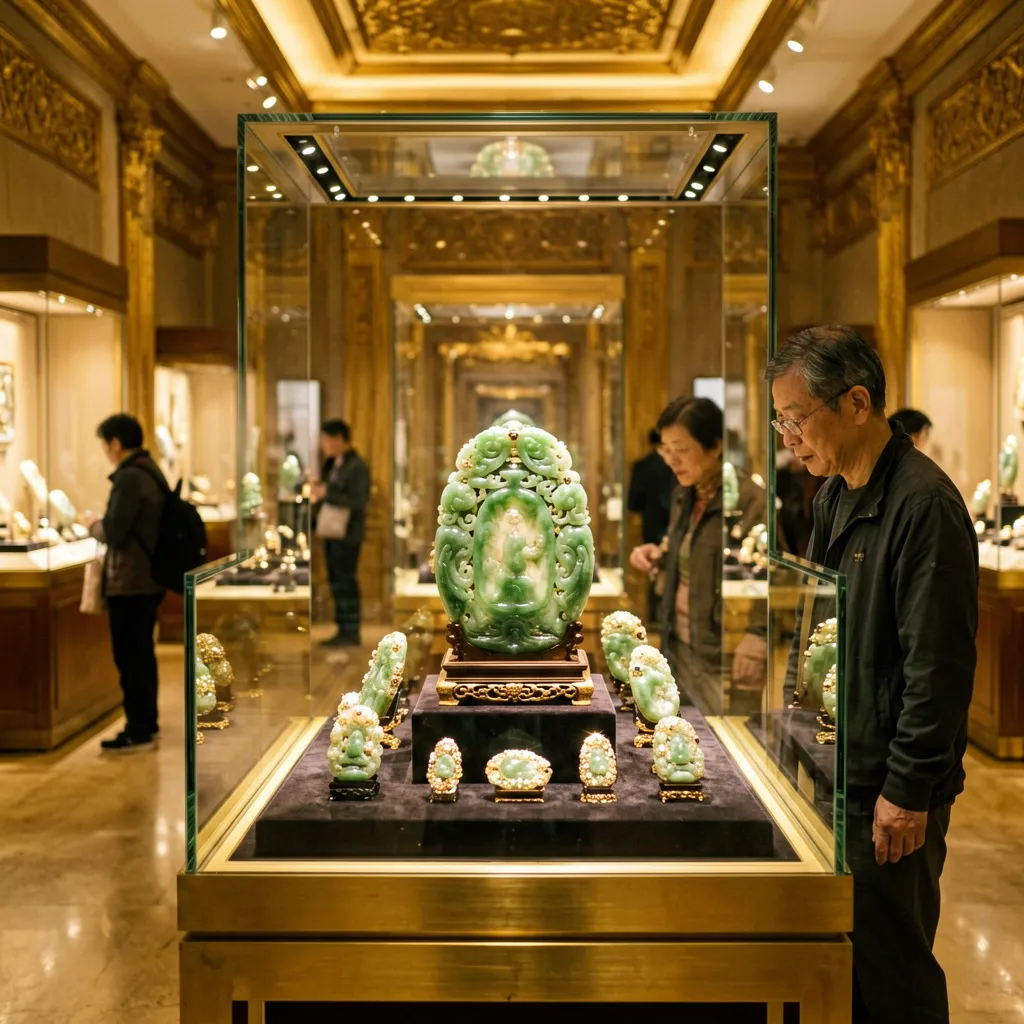
The Treasure Gallery. The Treasure Gallery is a special exhibition hall within the Palace Museum, showcasing the extraordinary treasures of the Qing imperial court, including goldware, jade objects, and jewelry. The collection is a dazzling display of masterpieces, such as the gold celestial globe inlaid with pearls and the jade mountain depicting Yu the Great taming the floods, whose exquisite craftsmanship is truly awe-inspiring. Beyond reflecting the opulent aesthetics of the imperial family, the gallery embodies the remarkable wisdom of ancient Chinese artisans. A visit to the Treasure Gallery offers an exceptional way to delve into the court culture and artistic essence of the Forbidden City.

Corner Tower

Sight 6

Corner Tower

角楼

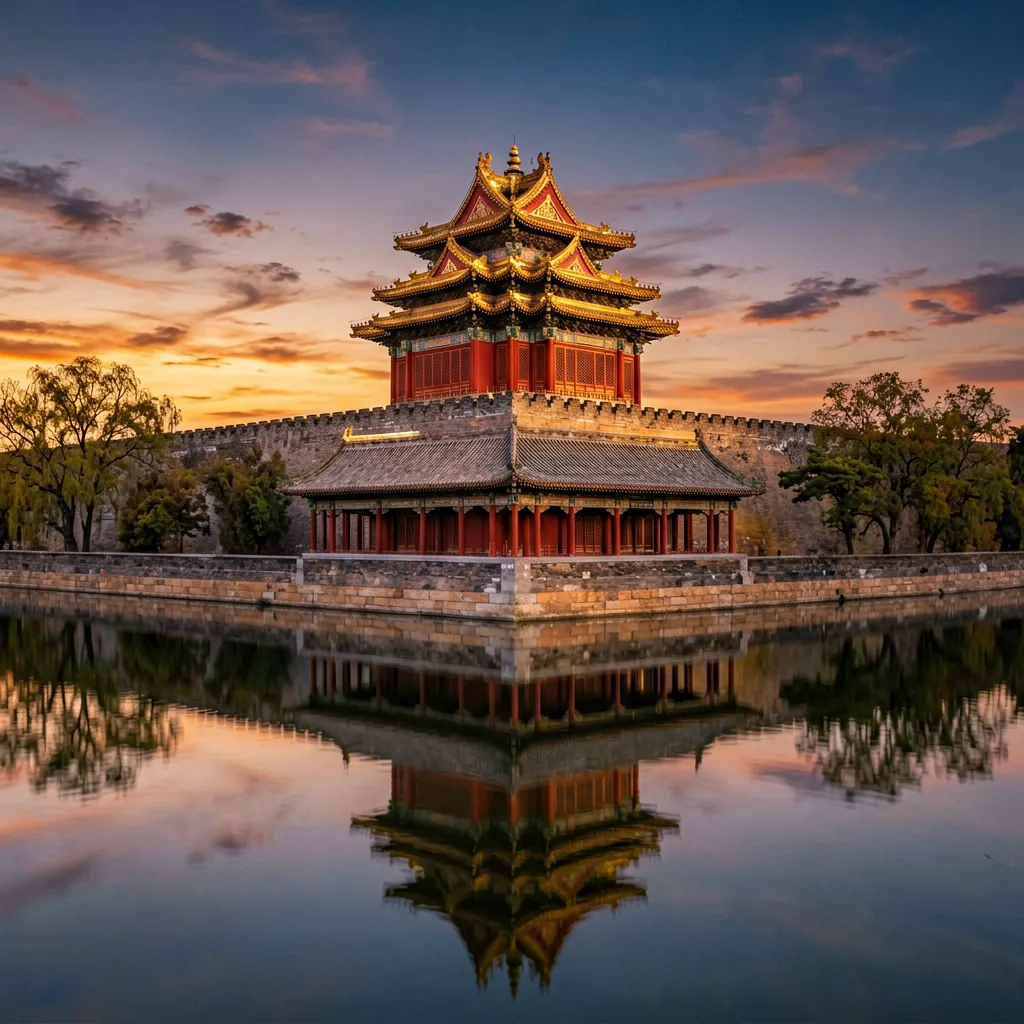
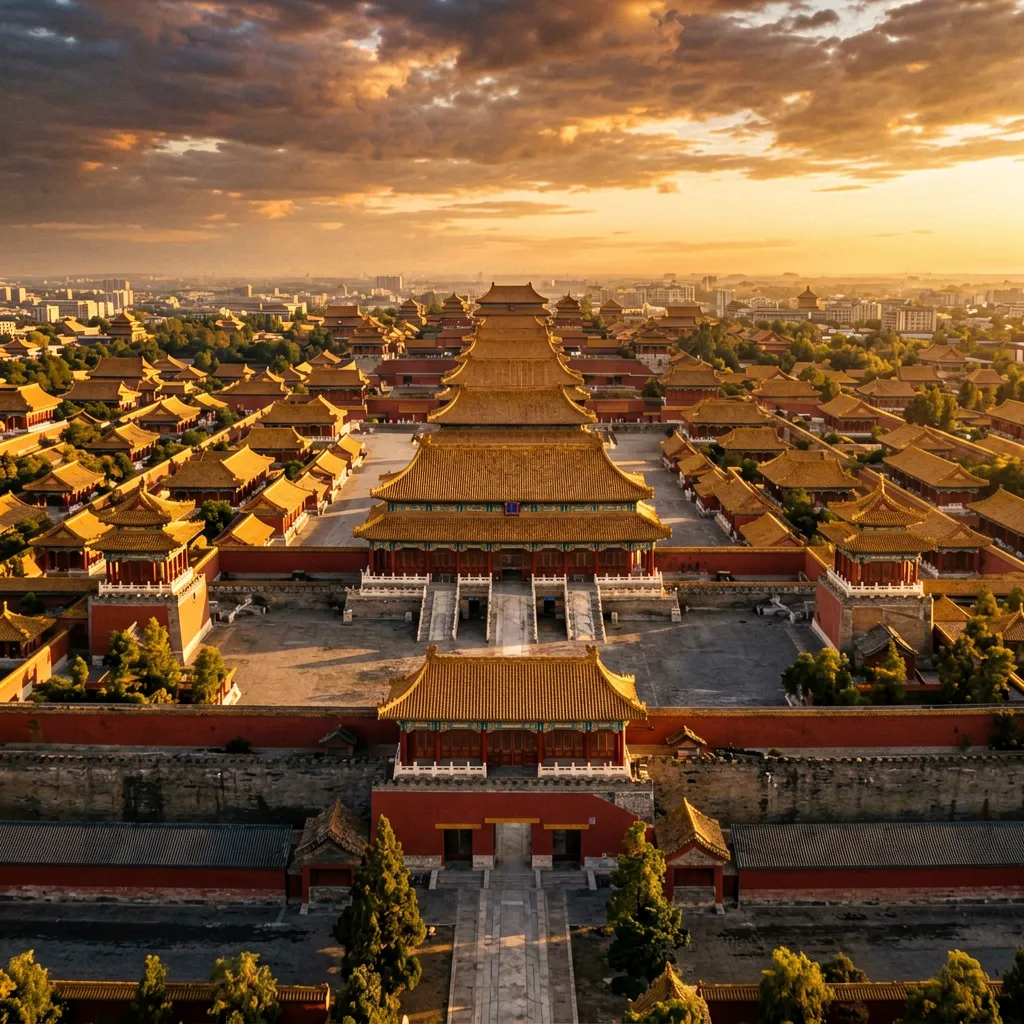
The Corner Tower. The corner towers of the Forbidden City stand at the four corners of the city wall, ranking among the most iconic structures of the imperial palace. Rather than serving practical defensive purposes, they are pure masterpieces of architectural artistry. Each tower features a distinctive design with a triple-eaved hip roof, where layered eaves interlock and rise gracefully, resembling elegant pavilions. Their intricate structure is so complex that it is celebrated in the saying "nine beams, eighteen columns, and seventy-two ridges," showcasing the ingenuity of ancient craftsmen. At dusk, the towers are mirrored in the moat, creating a classic scene with the city walls and willow trees—the perfect spot for visitors to capture photographs.

Eat

Local Eats

The local dishes worth crossing town for.

Peking Duck
Eat 1

Peking Duck

北京烤鸭

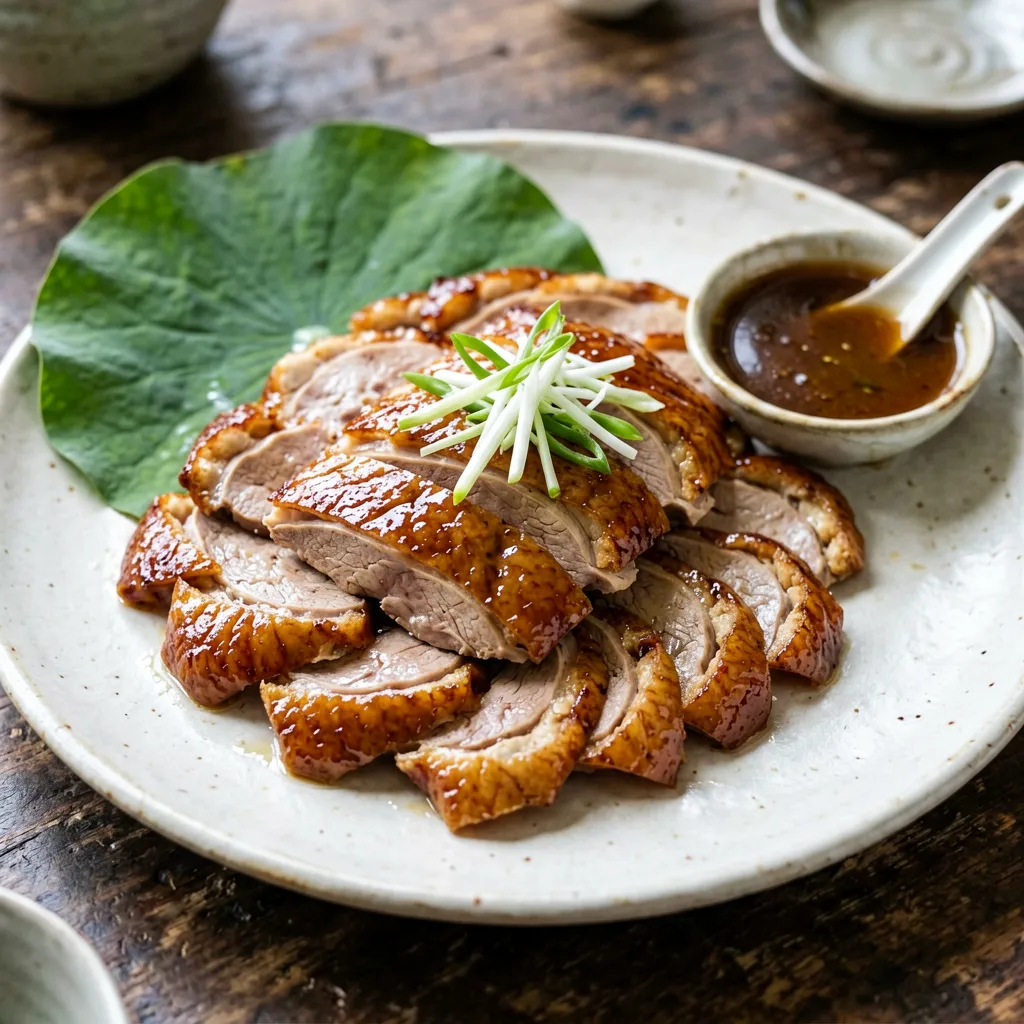
Beijing Roast Duck. Peking duck is an iconic culinary symbol of the capital, prepared by hanging the bird in a fruitwood-fired oven, resulting in crispy skin and tender meat. The traditional way to enjoy it is to wrap the slices in thin pancakes with sweet bean sauce, scallion threads, and cucumber strips, creating a rich medley of textures and flavors. More than just a feast for the palate, this dish embodies the profound culinary heritage of Beijing and serves as an excellent introduction to Chinese imperial cuisine for international visitors. At time-honored restaurants near the Forbidden City, you can experience the authentic art of carving the duck tableside, along with the ceremonial rituals that accompany the meal.

Noodles with Soybean Paste
Eat 2

Noodles with Soybean Paste

炸酱面

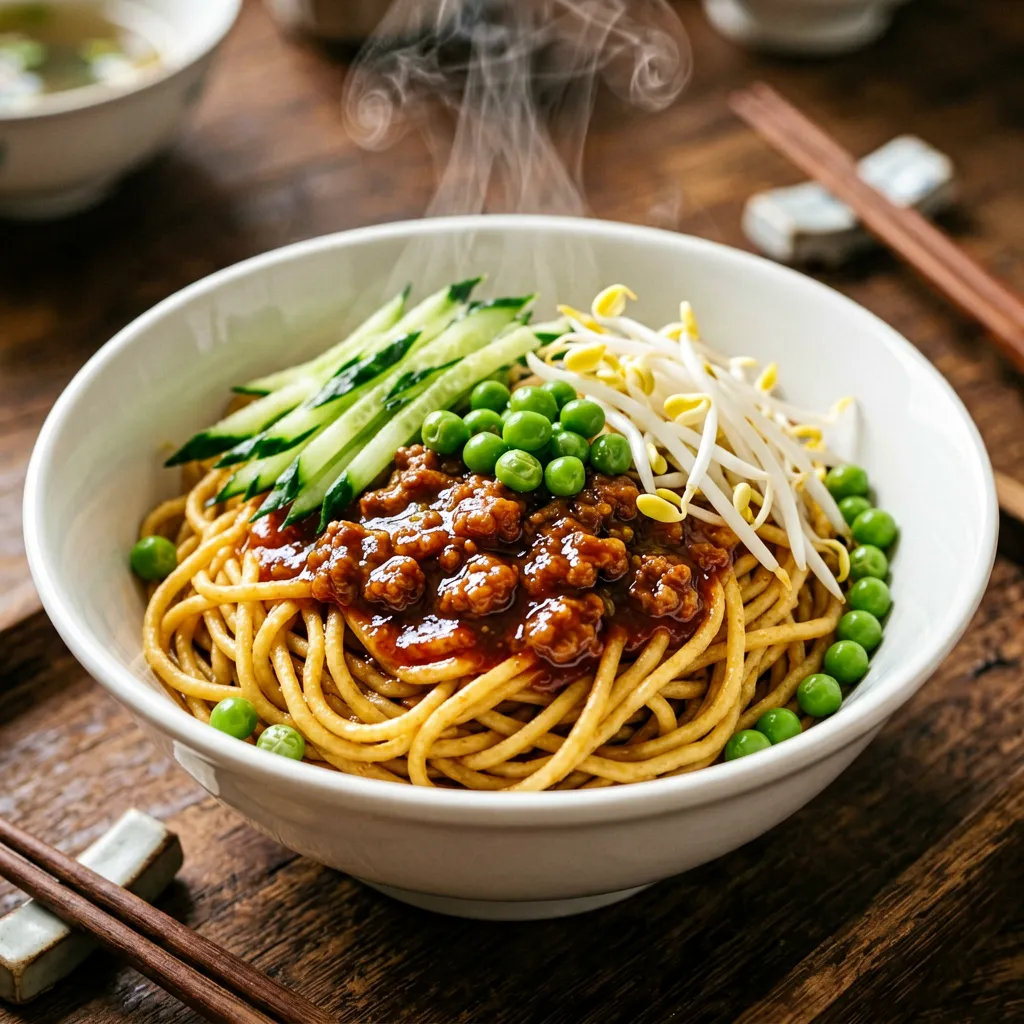
Zhajiang Noodles. Zhajiang noodles are a classic staple on Beijingers' everyday dining tables and a convenient choice for experiencing authentic Beijing-style cuisine. The chewy noodles are topped with a rich, savory sauce made from soybean paste and diced pork belly, slowly stir-fried over low heat, then finished with fresh toppings like cucumber shreds, bean sprouts, and green beans. Once mixed, every strand of noodle is coated in the fragrant sauce, delivering a perfectly savory and satisfying taste. After touring the Forbidden City, a piping hot bowl of zhajiang noodles not only replenishes your energy but also lets you savor the simple, heartwarming flavors of old Beijing.

Instant-Boiled Mutton
Eat 3

Instant-Boiled Mutton

涮羊肉

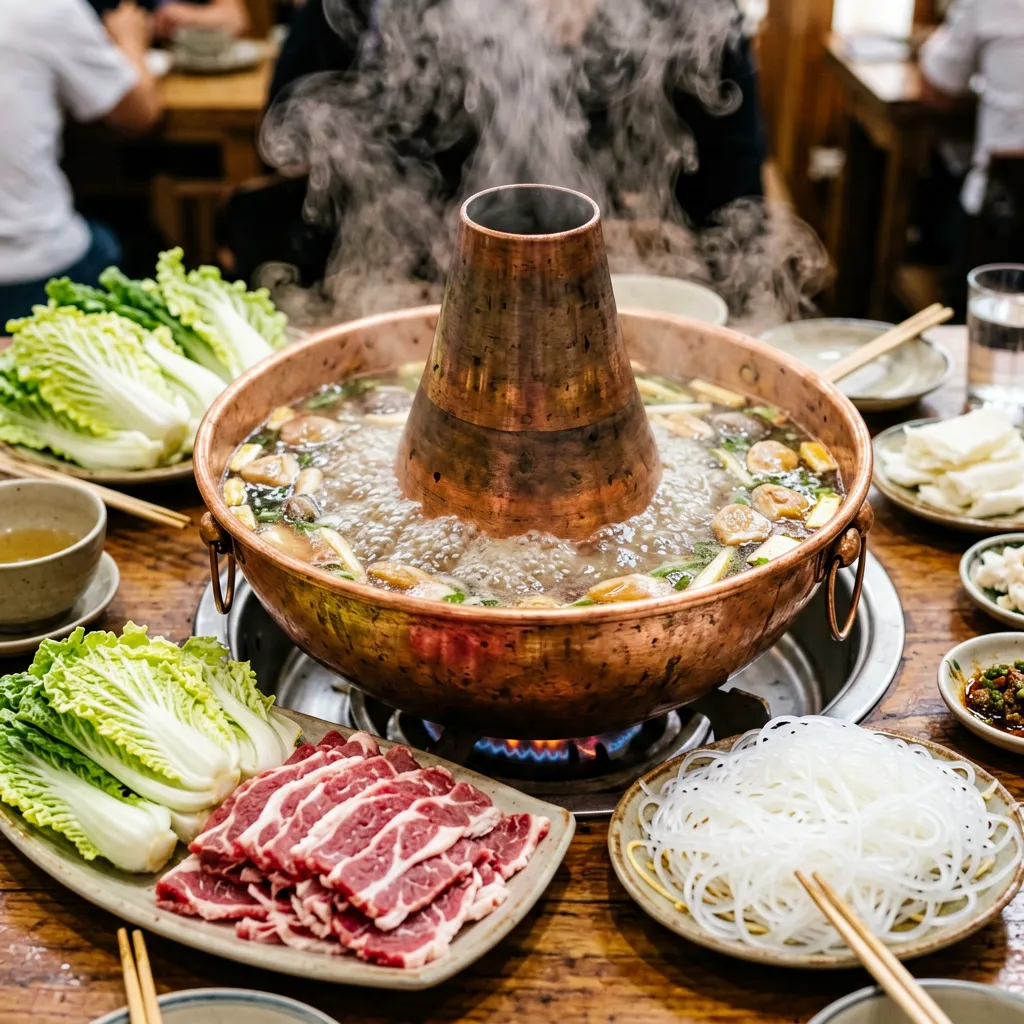
Instant-boiled Mutton. Instant-boiled mutton is a traditional winter delicacy in Beijing, featuring fresh mutton slices cooked in a clear broth in a copper hot pot and dipped in sesame paste. Its history can be traced back to the Yuan Dynasty, and it was also commonly seen in the imperial court of the Qing Dynasty. The mutton slices are as thin as paper and cook instantly in the pot, offering a tender and savory taste without any gamey flavor. Served with cabbage, vermicelli, frozen tofu, and more, it is a steaming hot dish best enjoyed with multiple diners. At long-established restaurants near the Forbidden City, visitors can savor the authentic flavor and experience the warmth and boldness of communal dining around the hot pot, a hallmark of northern Chinese food culture.

Douzhi (Fermented Mung Bean Drink)
Eat 4

Douzhi (Fermented Mung Bean Drink)

豆汁儿

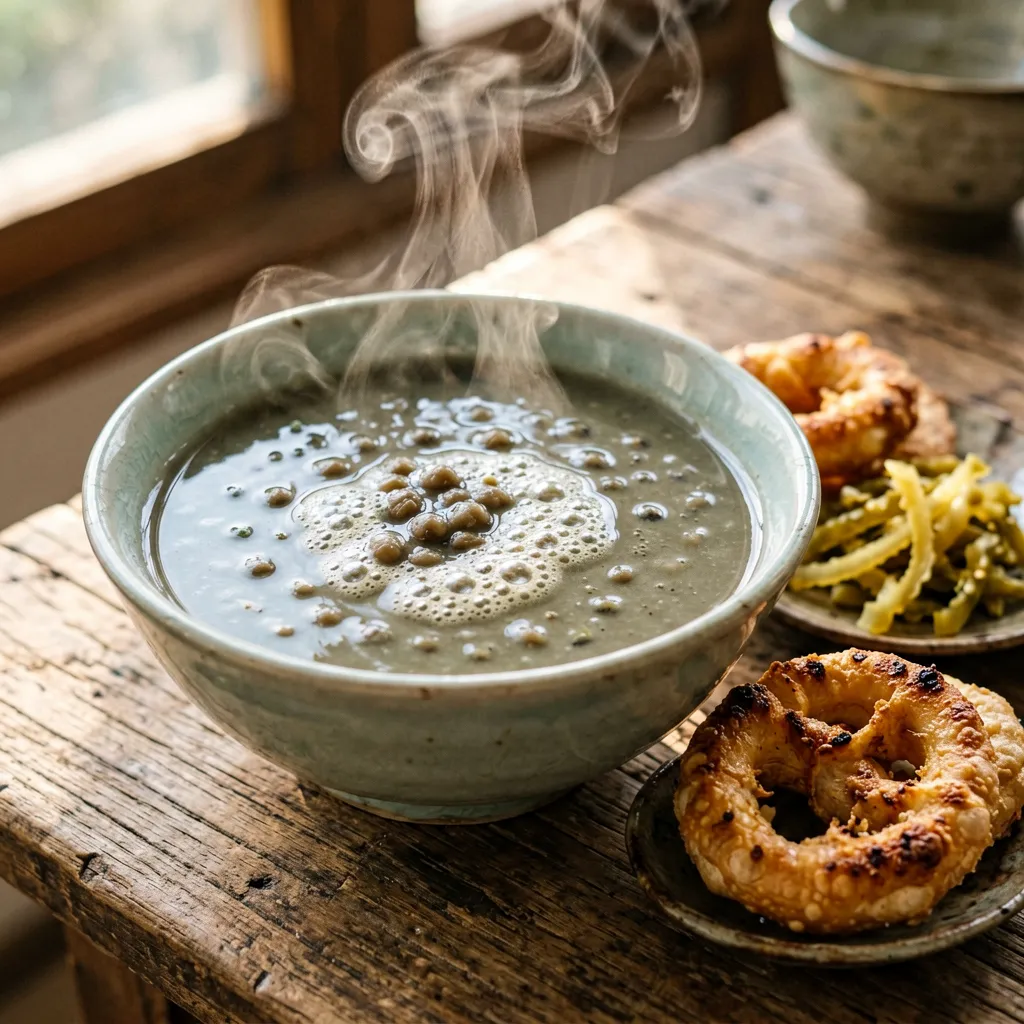
Douzhir (Fermented Mung Bean Drink). Douzhir is a traditional beverage unique to Beijing, made from fermented mung beans. It has a grayish-green color and a flavor that is sour with a hint of bitterness. First-time tasters may find it peculiar, but it is a beloved favorite among old-school Beijingers. It is typically enjoyed with jiaoquan (crispy fried dough rings) and pickled vegetable strips, best savored slowly while hot. With a history of several hundred years, this drink carries the rich cultural essence of old Beijing. To experience authentic old Beijing life, why not muster up your courage and take a sip, feeling this unique local memory for yourself.

Luzhu (Simmered Offal with Bread)
Eat 5

Luzhu (Simmered Offal with Bread)

卤煮

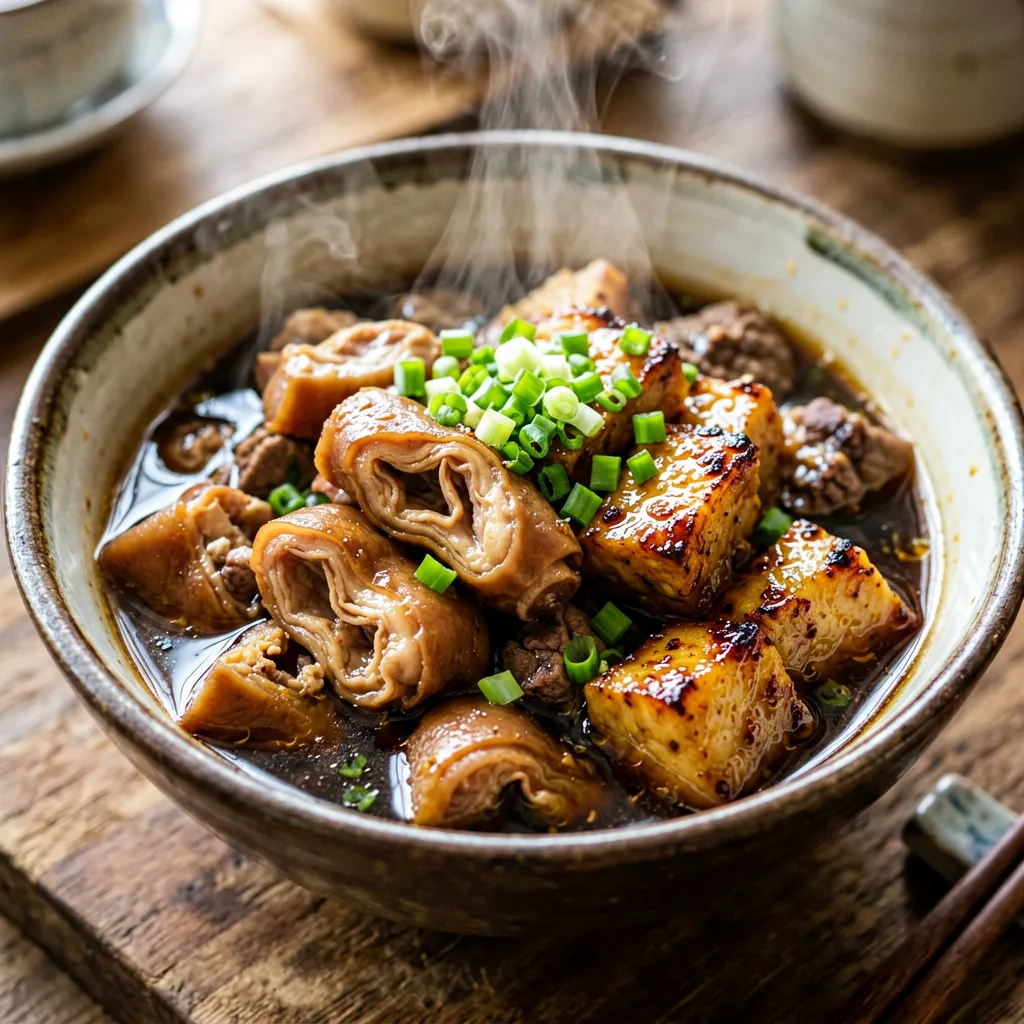
Luzhu. Luzhu is a traditional Beijing snack, made primarily with pork intestines, lungs, and other offal, along with tofu and huoshao (baked wheat cakes), all slowly simmered in a seasoned broth. The soup is rich and savory, the offal tender and soft, and the huoshao absorbs the flavorful broth, creating a hearty and complex taste. This street food carries the memories of old Beijing's everyday life and is often enjoyed with minced garlic and chili oil, adding a unique kick. After exploring the故宫 (Forbidden City), why not try a bowl to experience the authentic local flavors of Beijing?

Stir-Fried Liver
Eat 6

Stir-Fried Liver

炒肝

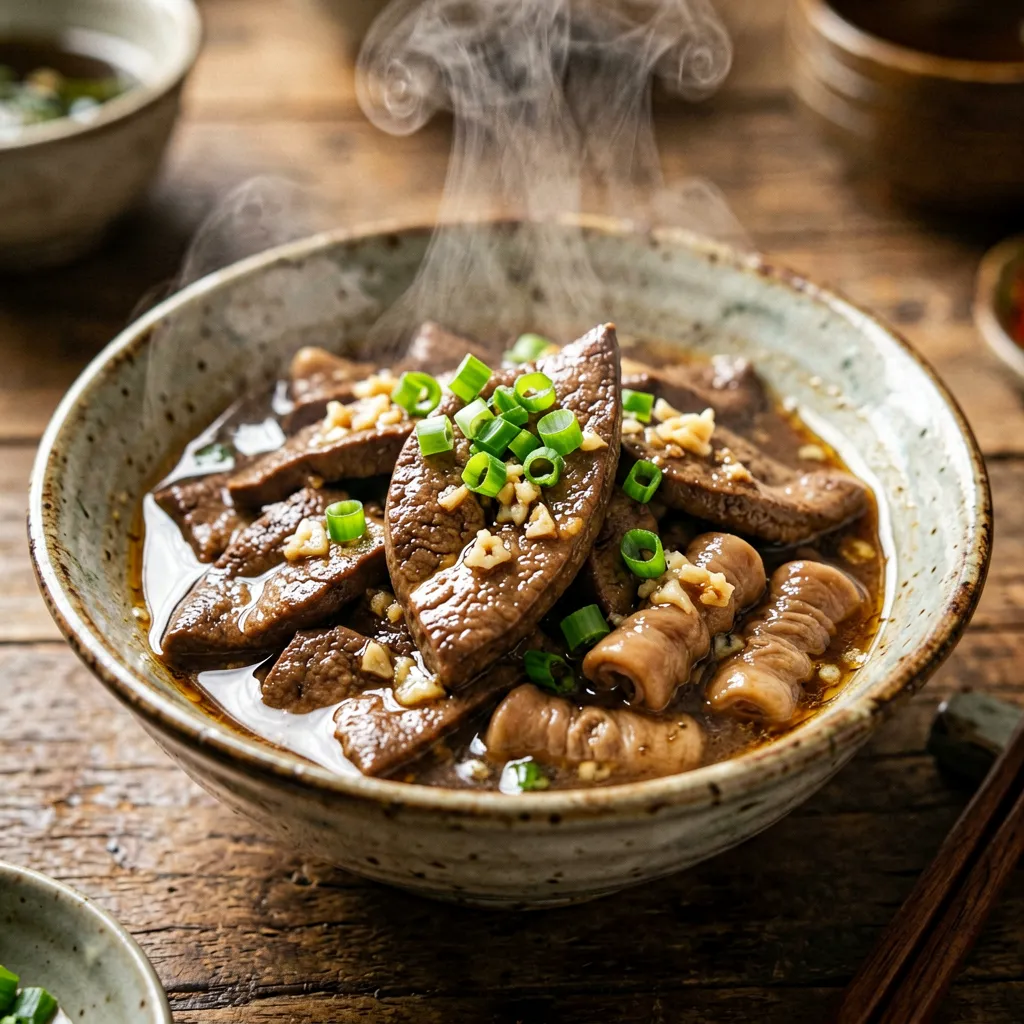
**Stir-Fried Liver (Chao Gan)** Stir-Fried Liver is a traditional Beijing snack. Made primarily from pork liver and pork intestines, it is seasoned with minced garlic, fermented soybean paste, and other condiments, then thickened with starch. The dish offers a rich and mellow flavor—the liver is intensely savory, the intestines are soft and tender, and the garlic adds a fragrant kick, all enveloped in a smooth, velvety sauce. It is typically enjoyed with steamed buns or sesame flatbreads, making it a quintessential Old Beijing breakfast. This snack embodies the down-to-earth yet refined character of Beijing's culinary culture and is well worth a try.