Lingyin Temple

Heritage · 浙江省 · 灵隐寺

Lingyin Temple

Hangzhou

Lingyin Temple · ChinaMazing

Discover

Core Sights

The essential sights — what they are, and when to go.

Feilai Peak

Sight 1

Feilai Peak

飞来峰

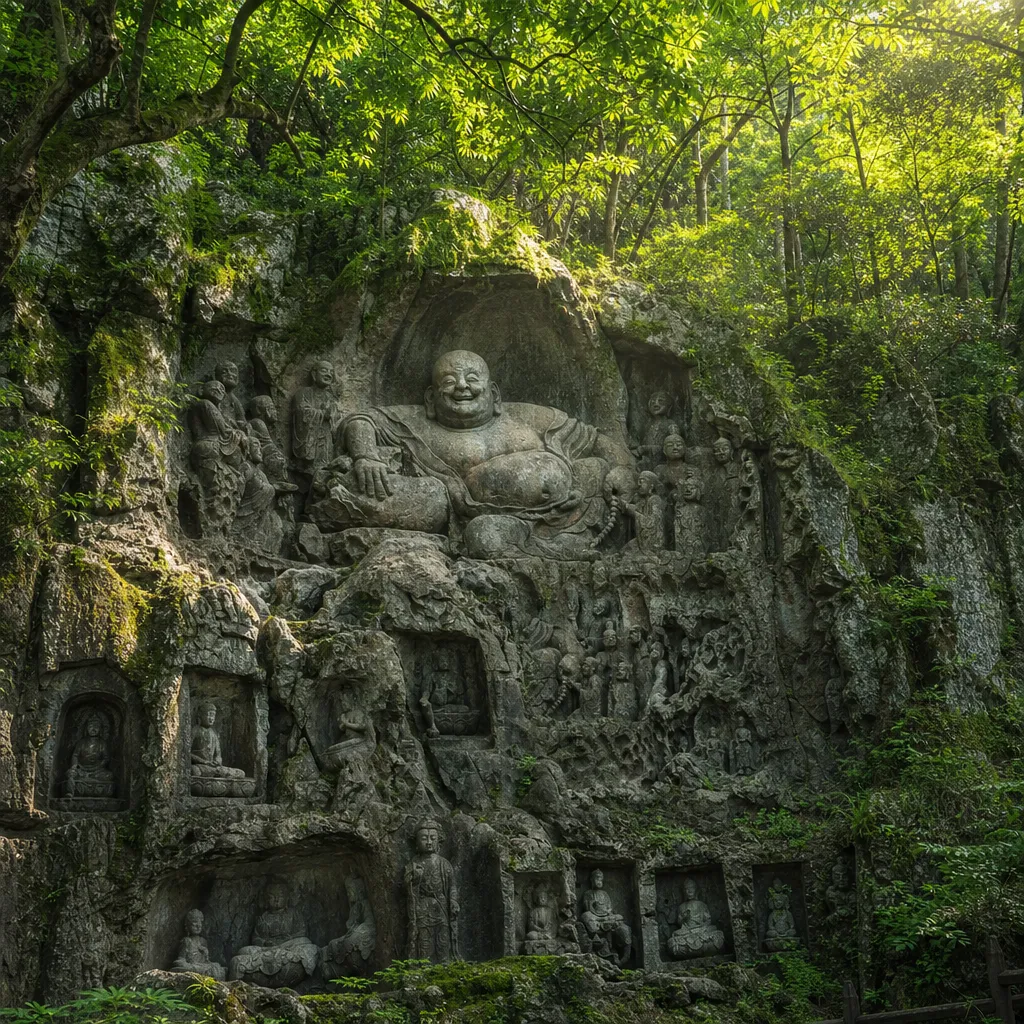
Feilai Peak. Located in front of Lingyin Temple, Feilai Peak derives its name from the legend of "flying here from afar," and is one of Hangzhou's most mystical mountains. Composed of limestone, the peak has been sculpted by time into numerous karst caves and奇特 rock formations, such as Longhong Cave and Yuru Cave. The peak preserves Buddhist stone carvings dating from the Five Dynasties to the Yuan Dynasty, with the Tibetan Buddhist-style statues from the Yuan Dynasty being the most treasured. These carvings, varied in form and lifelike in expression, are truly remarkable. Towering ancient trees and winding streams surround the peak, creating a picturesque harmony with Lingyin Temple. It is an exceptional place to experience the blend of natural wonders and Buddhist art.
Mahavira Hall

Sight 2

Mahavira Hall

大雄宝殿

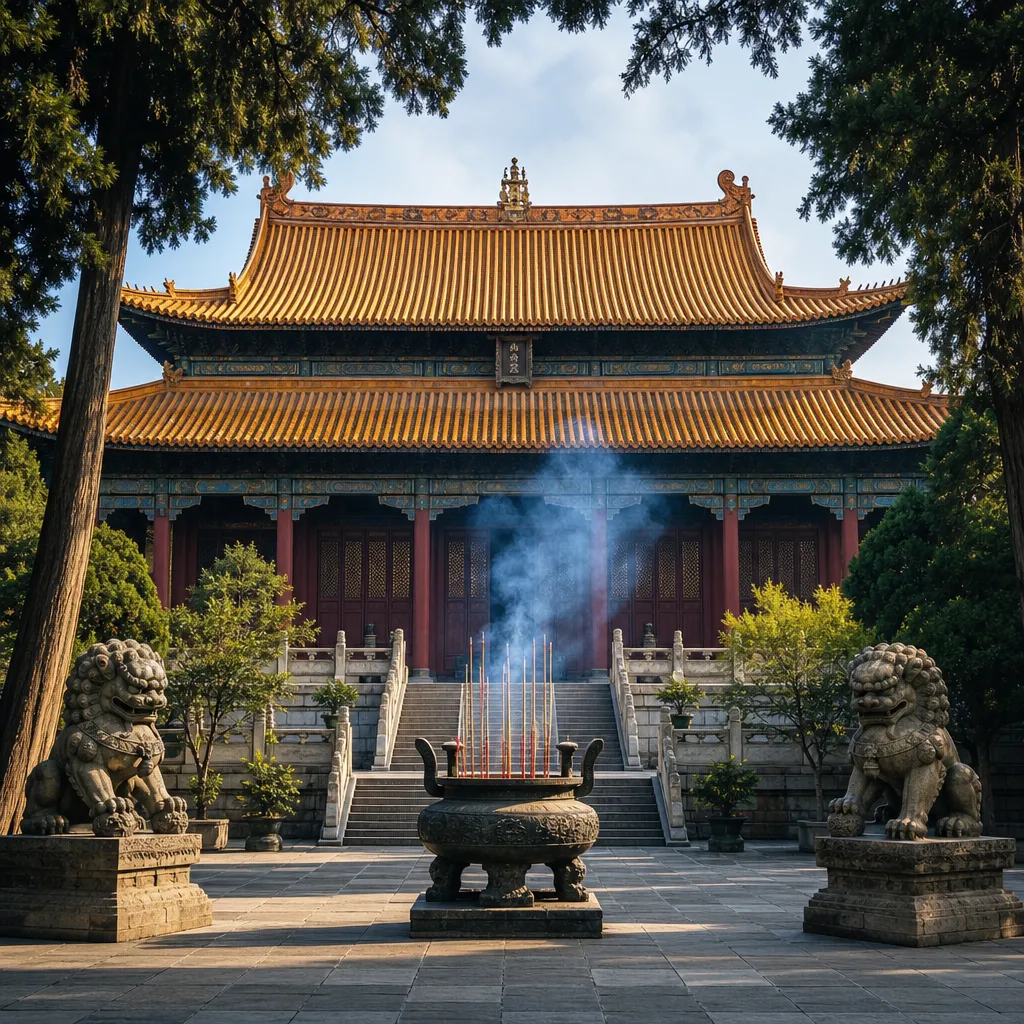
Mahavira Hall. The Mahavira Hall is the central hall of Lingyin Temple, magnificent in scale and housing a solemn seated statue of Sakyamuni Buddha. The hanging plaque inscribed with "Realm of Wondrous Solemnity" (Miao Zhuang Yan Yu), together with the exquisite painted decorations and flying apsaras reliefs, creates a dazzling splendor that showcases the beauty of ancient Chinese Buddhist architectural art. This hall serves as an important place for devotees to worship and for visitors to experience Buddhist culture. Standing before the hall, one can gaze out at Feilai Peak and the towering ancient trees, immersing in the tranquility and solemnity of this thousand-year-old temple.

Hall of Heavenly Kings

Sight 3

Hall of Heavenly Kings

天王殿

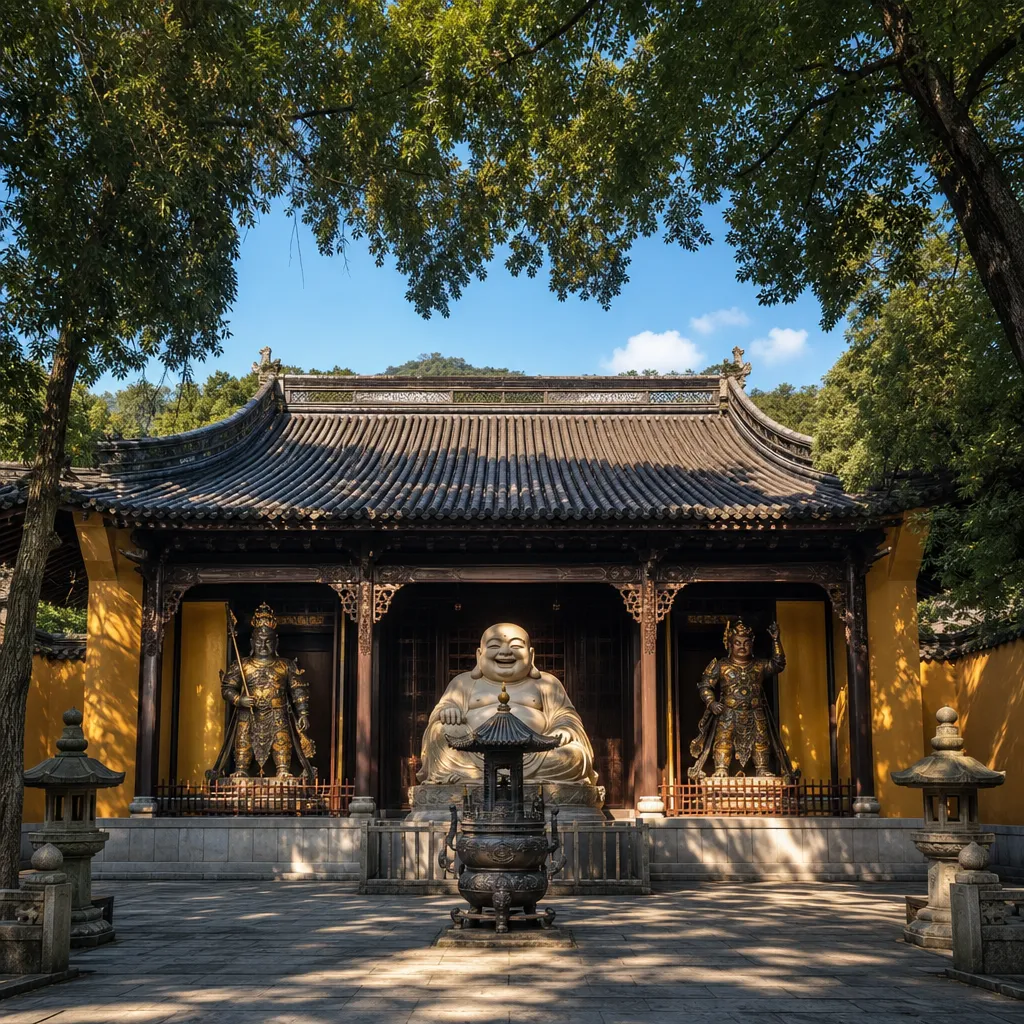
The Hall of Heavenly Kings. As the first hall of Lingyin Temple, it enshrines a beaming Maitreya Buddha, with the majestic Skanda Bodhisattva standing behind him. Flanking the interior are statues of the Four Heavenly Kings, each holding a symbolic instrument that represents favorable weather and good harvests. This hall blends the architectural style of the Song Dynasty with Buddhist art, making it an essential stop for visitors entering Lingyin Temple. Here, one can experience the solemnity and compassion of Buddhist culture while admiring the exquisite craftsmanship of ancient artisans.

Cold Spring Pavilion

Sight 4

Cold Spring Pavilion

冷泉亭

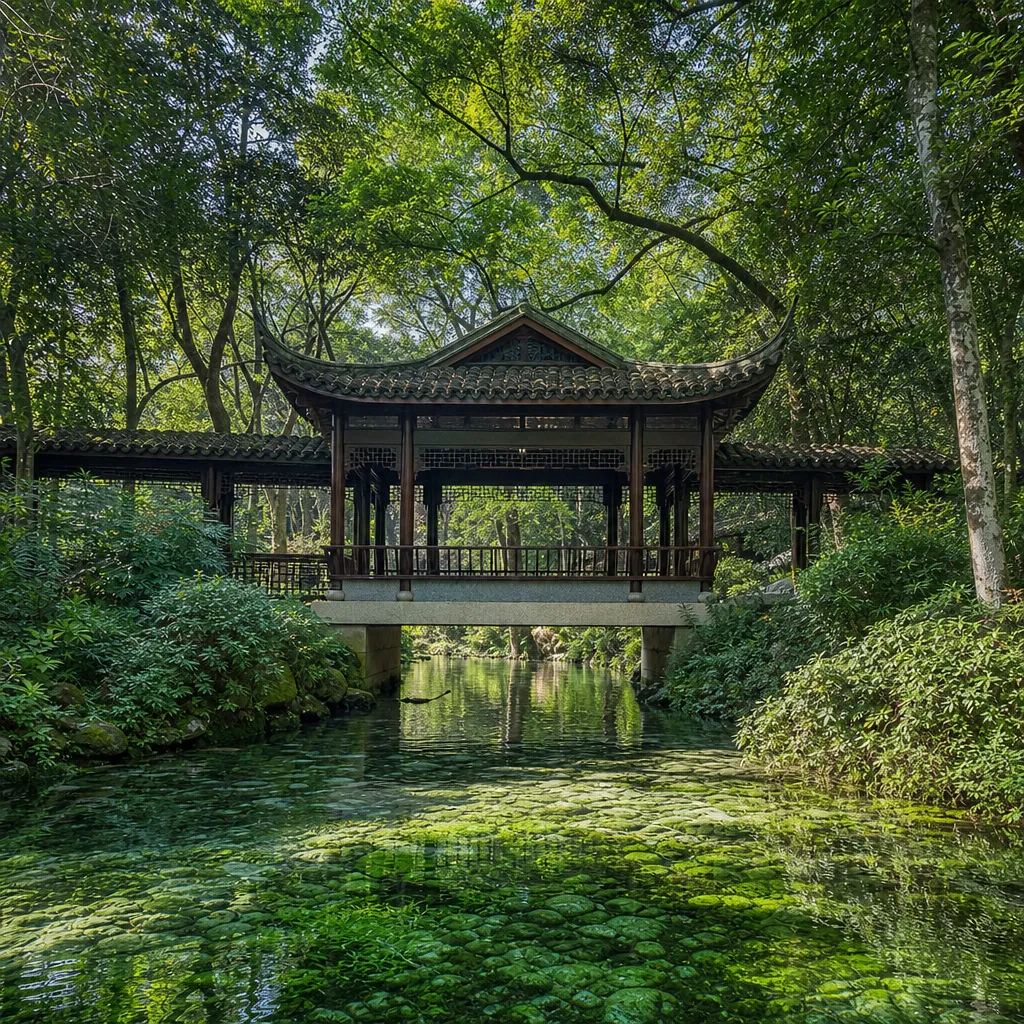
Lengquan Pavilion (Cold Spring Pavilion). Located in front of Lingyin Temple and first built during the Tang Dynasty, it is one of the most historically evocative waterside pavilions in the West Lake scenic area. The pavilion sits beside the Cold Spring Stream, where the water murmurs gently beneath towering ancient trees, facing the rock carvings of Feilai Peak across the water. Throughout history, literary figures such as Bai Juyi and Su Dongpo have composed poems here, and the couplet inscribed on the pavilion's pillars—"When did the spring begin to run cold? From where does the peak come flying?"—is especially renowned. Visitors can pause here to rest, immersing themselves in the tranquil serenity of the mountain temple and the crisp coolness of the springs and rocks, and to appreciate a millennium of Zen spirit intertwined with the delights of nature.

One Line Sky

Sight 5

One Line Sky

一线天

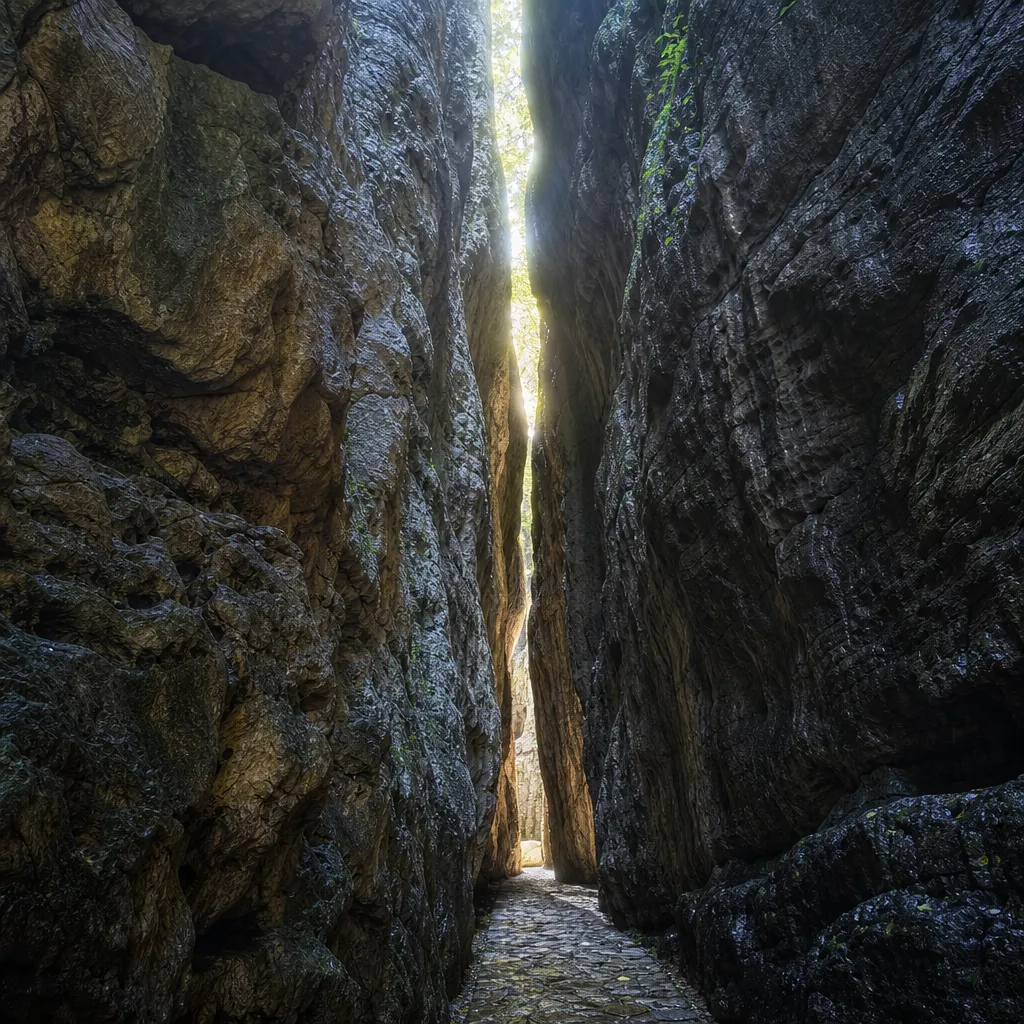
A Line of Sky (Yixiantian). Nestled on Feilai Peak in front of Lingyin Temple, "A Line of Sky" is a marvel where nature and Buddhist art converge. Gazing upward, a sliver of celestial light filters through the crevice of colossal rocks, as if carved by the divine hand of creation. Surrounding this wonder are stone carvings dating from the Five Dynasties to the Song and Yuan dynasties, with the serene smiling Maitreya Buddha being particularly renowned. Strolling through the tranquil grottoes, one can bask in the interplay of light and shadow, and experience the Zen essence of “Lost in the mountains deep, unknown amidst the clouds.” This is an unmissable destination for exploring ancient Chinese grotto art and natural wonders.

Yongfu Temple

Sight 6

Yongfu Temple

永福寺

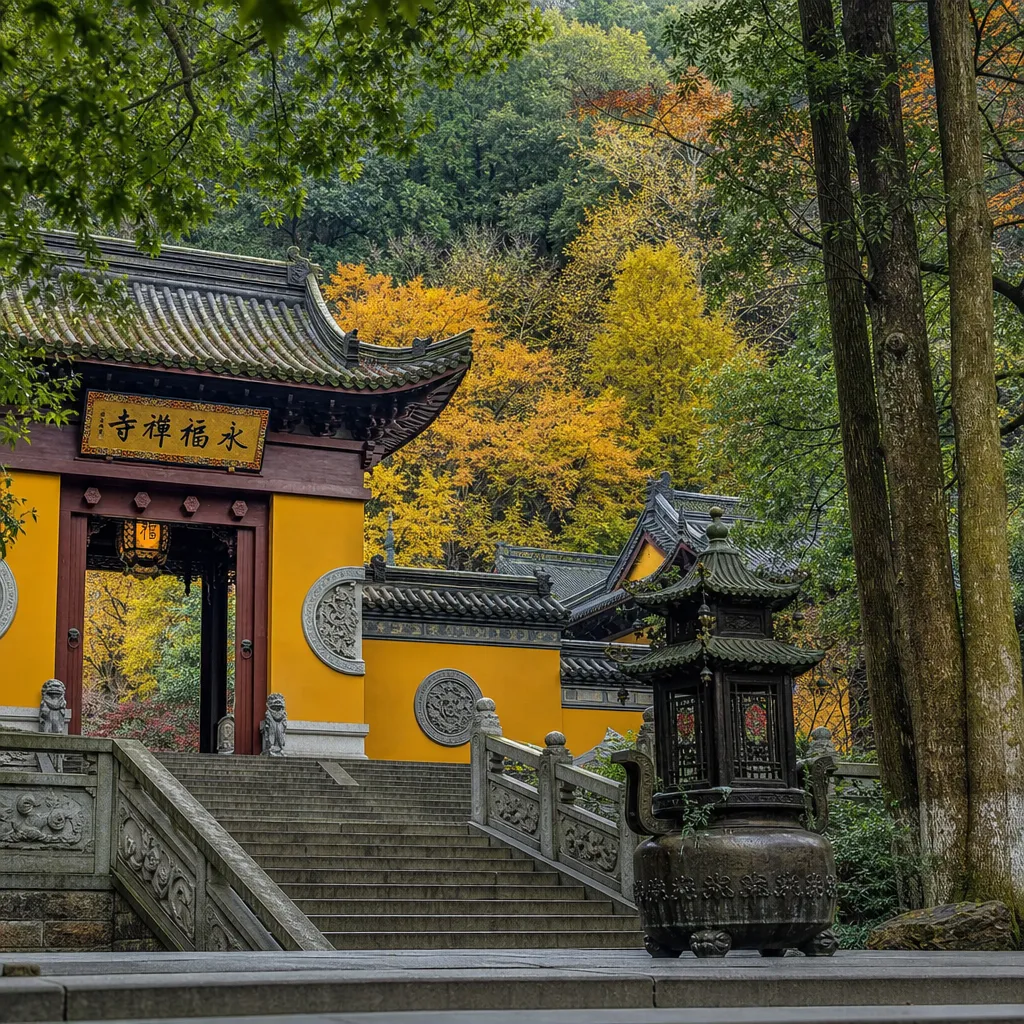
Yongfu Temple. Located to the west of Lingyin Temple and built along the mountainside, Yongfu Temple is one of Hangzhou's renowned ancient temples. Originally founded in the Eastern Jin Dynasty, it has experienced periods of prosperity and decline, and most of the existing structures reflect Qing Dynasty architecture. The temple grounds are tranquil, shaded by towering ancient trees, and from the higher vantage points you can overlook the hills around West Lake. The temple houses exquisite Buddhist statues and stone carvings, with the Guanyin Hall and an ancient well being the most famous features. Visitors can immerse themselves in the serene Zen atmosphere and experience the peaceful Buddhist cultural ambiance.