Longji Rice Terraces

Nature · Guangxi · 龙脊梯田

Longji Rice Terraces

Guilin

Longji Rice Terraces · ChinaMazing

Discover

Core Sights

The essential sights — what they are, and when to go.

Jinkeng Rice Terraces

Sight 1

Jinkeng Rice Terraces

金坑大寨梯田

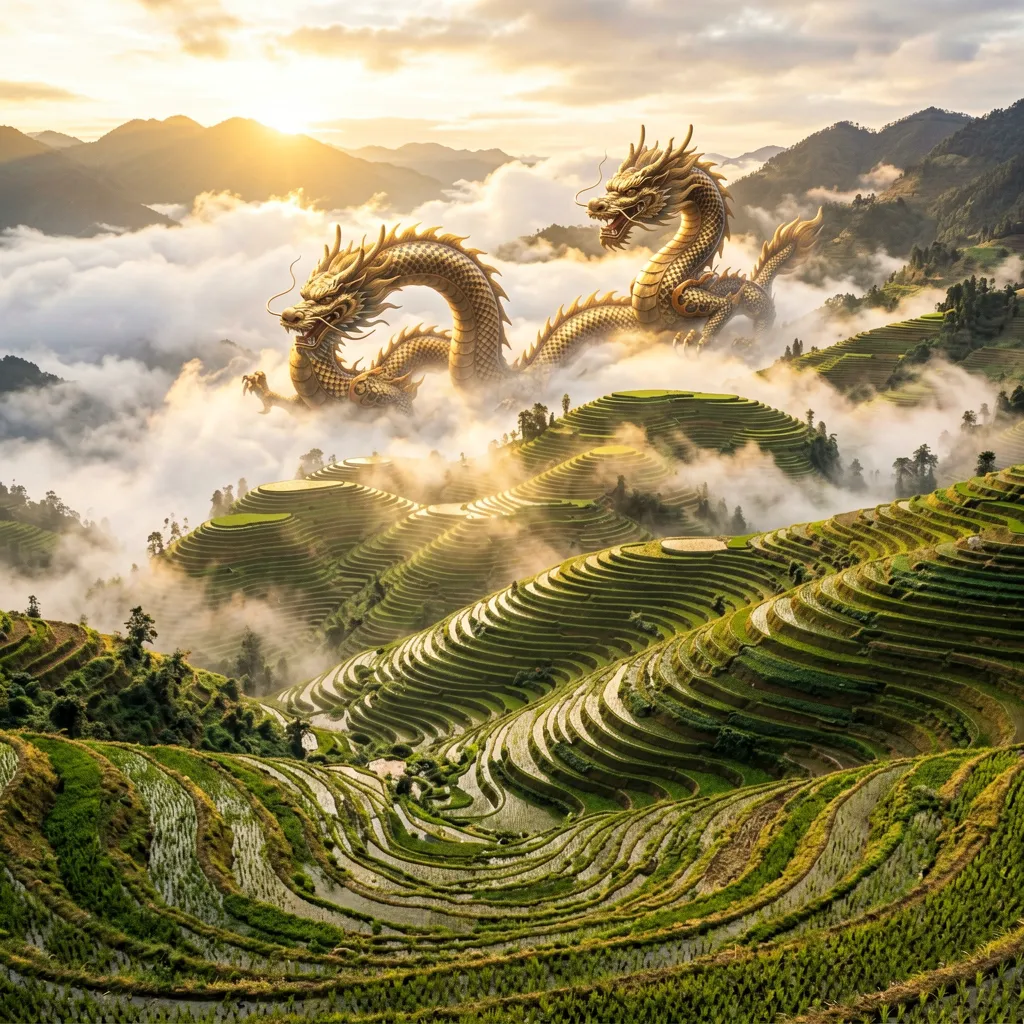
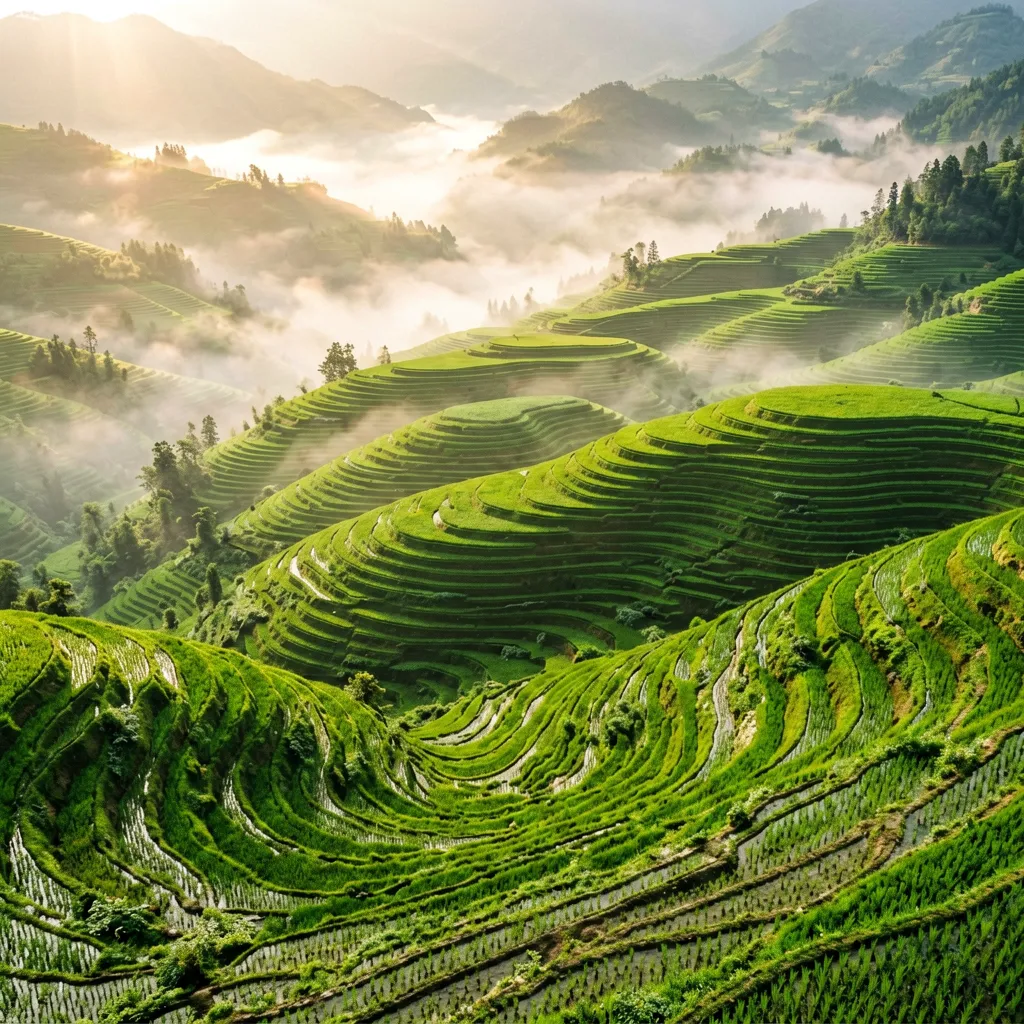
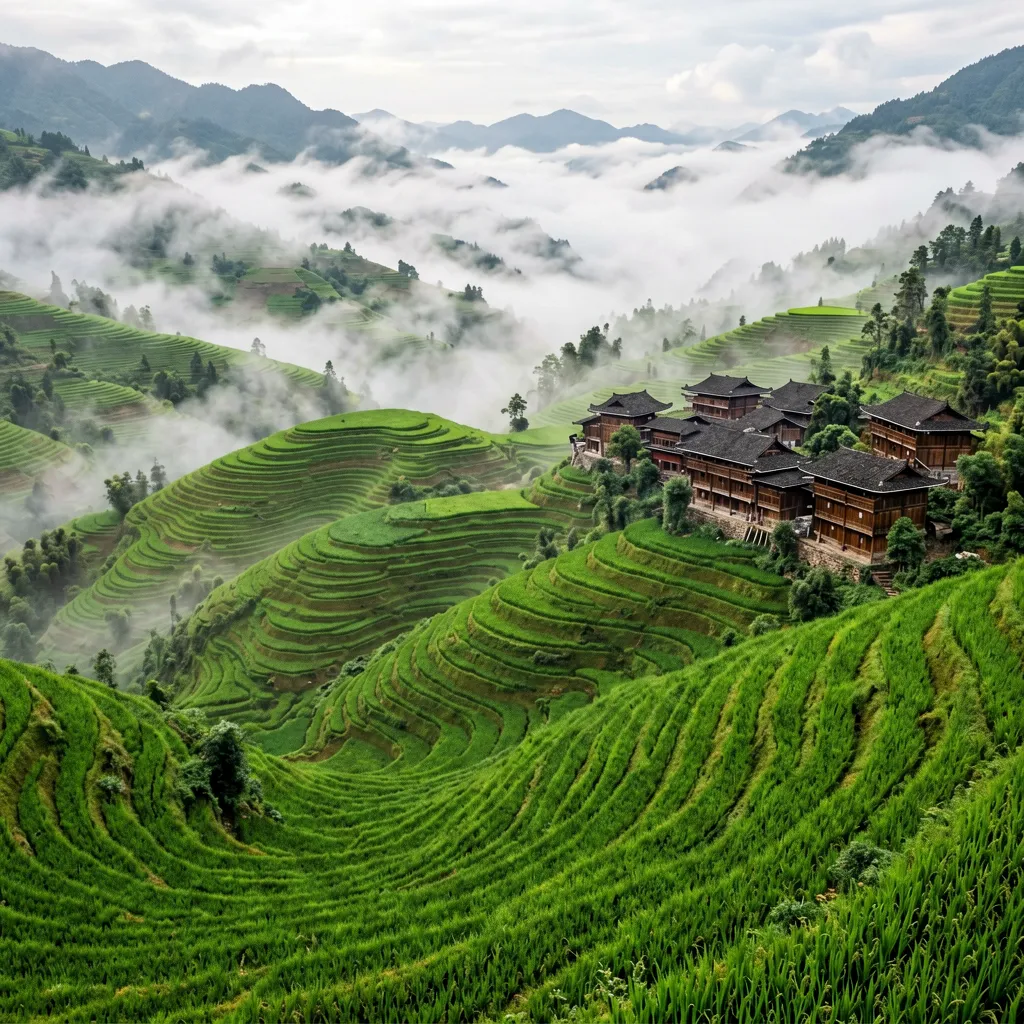
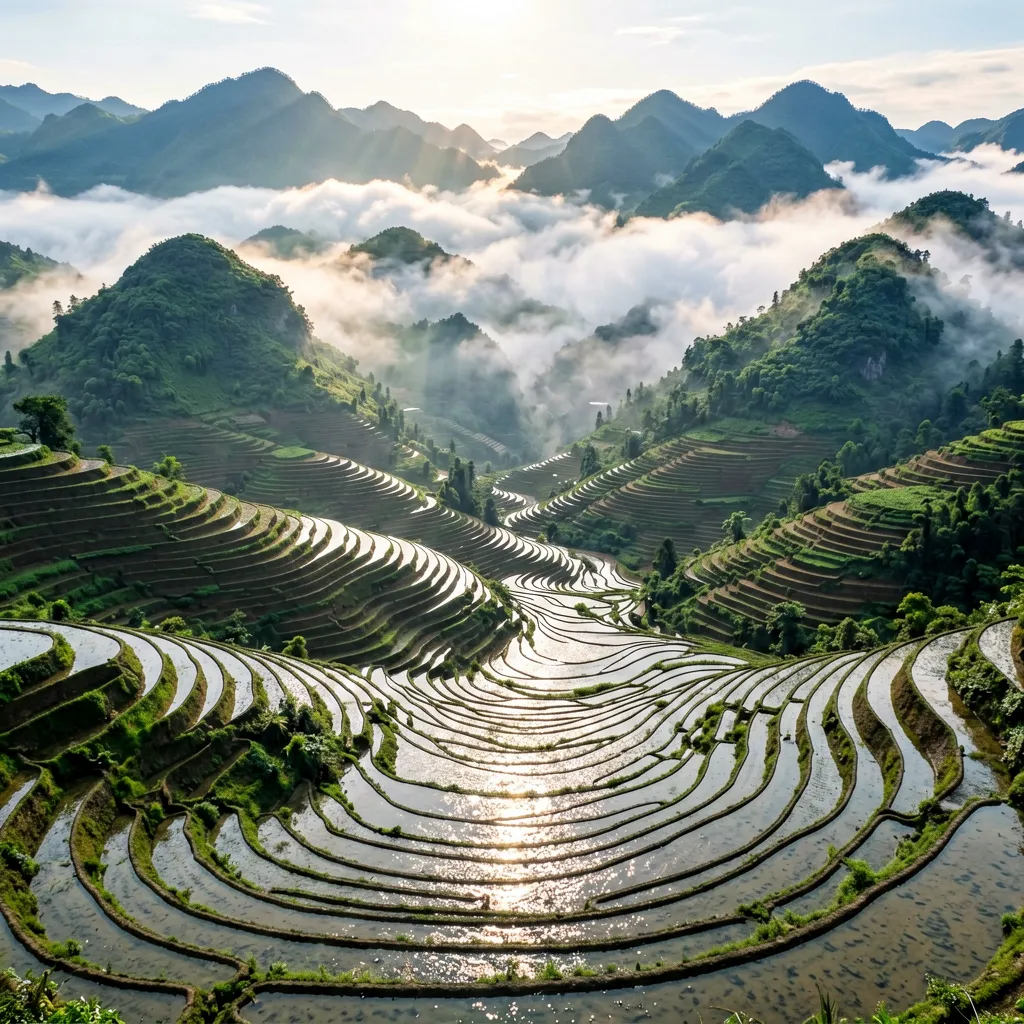
Jinkeng Dazhai Rice Terraces. Nestled deep within the Longji Rice Terraces Scenic Area, the Jinkeng Dazhai Rice Terraces form the largest and most spectacular cluster of terraced fields in the region. Carved from the mountains by generations of Yao villagers, these terraces wind their way layer upon layer from the foothills to the summits, appearing like stairways to heaven when shrouded in drifting clouds. Perfect for hiking exploration and a paradise for photography enthusiasts, the terraces offer distinct beauty across the seasons—mirror-like in spring, draped in green in summer, carpeted in gold in autumn, and blanketed in silver snow in winter. Along the way, visitors can experience the unpretentious charm of Red Yao villages, savor local specialties such as bamboo-tube rice, and appreciate the millennia-old wisdom of harmonious coexistence between humanity and nature.
Ping'an Zhuang Rice Terraces

Sight 2

Ping'an Zhuang Rice Terraces

平安壮寨梯田

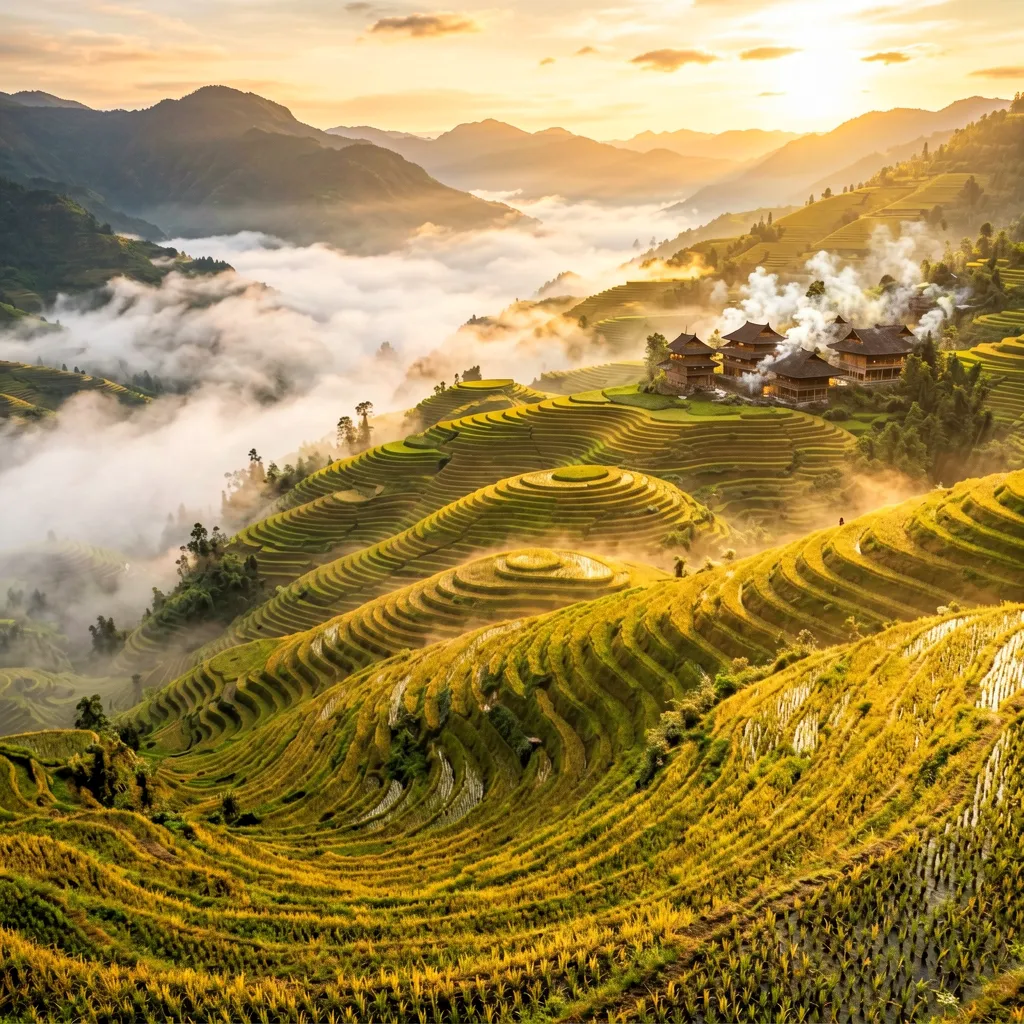
Ping'an Zhuang Village Terraces. The terraced fields of Ping'an Zhuang Village are one of the core attractions of the Longji Rice Terraces. The Zhuang village is built along the mountainside, with terraces winding from the foot of the mountain to the summit, layer upon layer in a breathtaking display of grandeur. Visitors can hike along the narrow ridges between the fields, where the scenery transforms with the seasons: in spring, the terraces are filled with water, mirroring the sky above; in summer, waves of green rice ripple across the slopes; in autumn, golden grain undulates like a sea of wheat; and in winter, occasional snowfall lends a serene, tranquil air. The village preserves traditional stilted wooden houses, where visitors can experience Zhuang customs and savor local delicacies such as bamboo-tube rice. It is recommended to visit in the early morning or at dusk, when the soft light accentuates the contours of the terraces for the best photographs. Please be mindful of local customs, and note that some trails require a moderate level of physical fitness.

Seven Stars with Moon

Sight 3

Seven Stars with Moon

七星伴月

Seven Stars with the Moon. This is the most iconic viewpoint in the Longji Rice Terraces, named after seven small peaks surrounding a paddy field shaped like a full moon. Viewed from above, the layered terraces wind like chains and ribbons, coiling from the foot of the mountain to the summit, with smooth lines and magnificent momentum. At sunrise or sunset, light and shadow play across the water-filled terraces, creating rich, ever-changing layers. In spring, when the fields are flooded, they mirror the sky like polished glass; in autumn, when the rice turns golden, the scene is one of abundant harvest—each season has its own charm. It is a paradise for photographers and a perfect place to experience the harmonious coexistence of Zhuang and Yao farming culture with nature.

Nine Dragons and Five Tigers

Sight 4

Nine Dragons and Five Tigers

九龙五虎

Nine Dragons and Five Tigers. This is one of the most spectacular viewpoints in the Longji Rice Terraces, named for its winding ridges that resemble dragons and hilltops shaped like tigers. From here, you can overlook layers of terraced fields stretching like chains or ribbons, coiling from the foothills to the summit with smooth, flowing lines and awe-inspiring grandeur. It is also an excellent spot for capturing sunrises and seas of clouds, with scenery that transforms across the seasons: mirror-like in spring, rippling green in summer, golden-carpeted in autumn, and silver-clad in winter. The surrounding Zhuang villages are steeped in

Golden Buddha Summit

Sight 5

Golden Buddha Summit

金佛顶

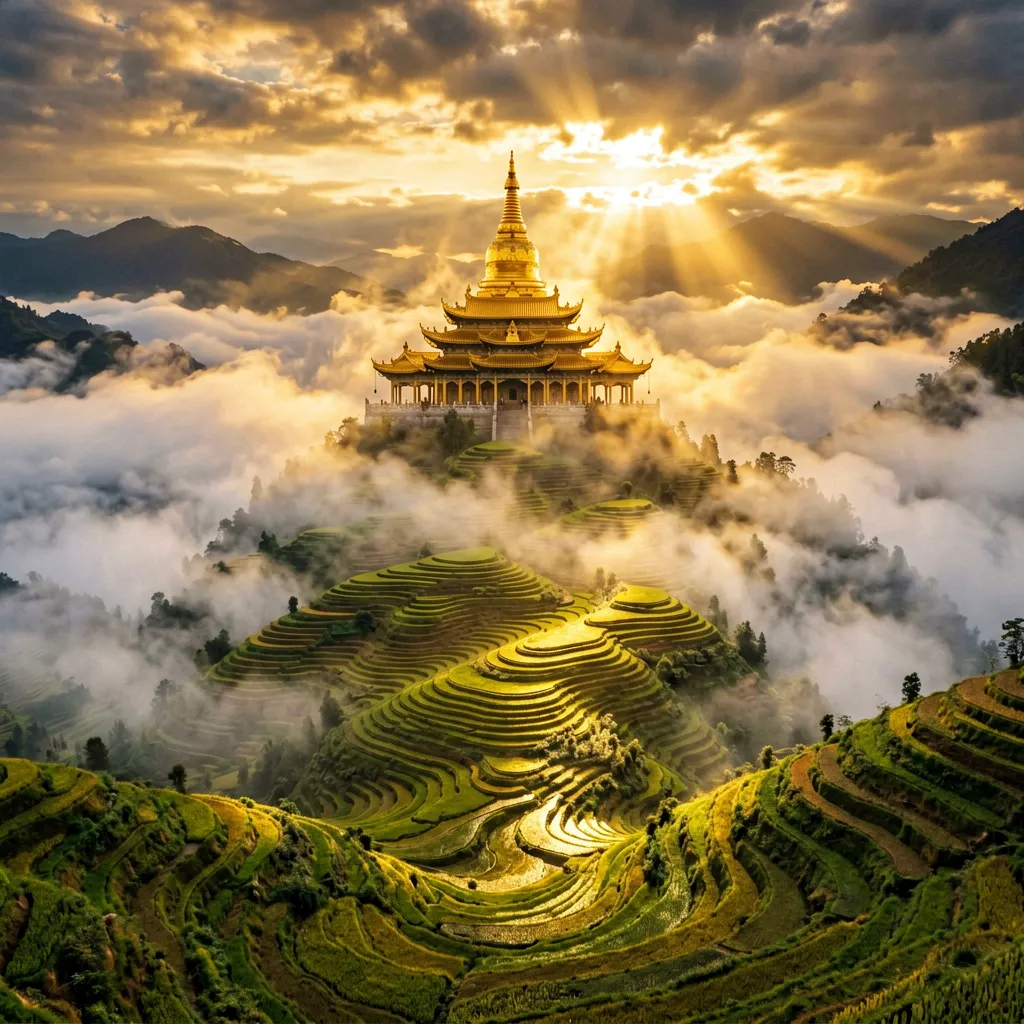
Golden Buddha Peak. Golden Buddha Peak is the highest viewing platform in the Jinkeng Dazhai area of the Longji Rice Terraces, named for its mountain shape that resembles a giant Buddha. From the summit, you can look down upon layer upon layer of terraced fields winding like chains and ribbons, spiraling from the foothills up into the clouds. The scenery changes with the seasons: in spring the water-filled paddies mirror the sky, in summer green waves surge across the hillsides, in autumn the slopes are carpeted in gold, and in winter everything is draped in silver-white snow. It is also an exceptional spot for watching sunrise and sunset — in the morning light and evening glow, the terraces, villages, and distant mountains weave together into a magnificent pastoral panorama. Visitors can hike up or take a cable car, enjoying the customs of the Zhuang and Yao villages along the way while experiencing a thousand years of rice-farming culture.