Mountain Resort

heritage · 河北省 · 避暑山庄

Mountain Resort

Chengde · 承德

AI-generated · ChinaMazing

Discover

Core Sights

The essential sights — what they are, and when to go.

Sight 1

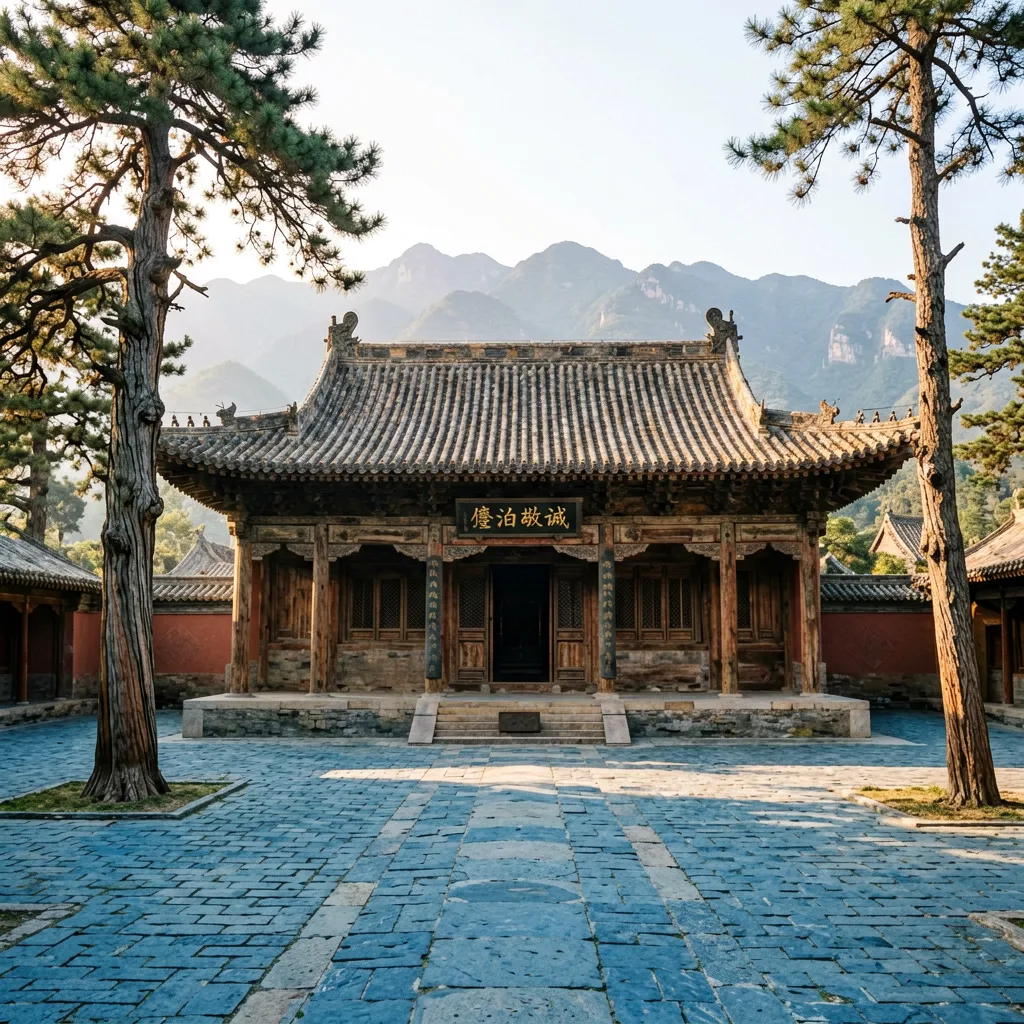
Hall of Plainness and Sincerity

澹泊敬诚殿

The Hall of Danbo Jingcheng (Hall of Frugality and Respect) is the main hall of the Mountain Resort. Built during the Kangxi reign of the Qing Dynasty, it was reconstructed with a pure nanmu wood structure during the Qianlong period, earning it the colloquial name "Nanmu Hall." The entire palace is devoid of painted decorations, showcasing the natural elegance of untreated nanmu wood, with its subtle fragrance exuding a pure, natural beauty. This was the venue where Qing emperors handled state affairs and held grand ceremonies. The hall's name derives from Zhuge Liang's famous adage, "Without indifference, there is no clarity of ambition; without tranquility, there is no far-reaching vision," reflecting Emperor Kangxi's revered philosophy of governance. The courtyard before the hall is expansive, dotted with towering ancient pines, making it an ideal place to experience the imperial politics and architectural artistry of the Qing Dynasty.
Sight 2

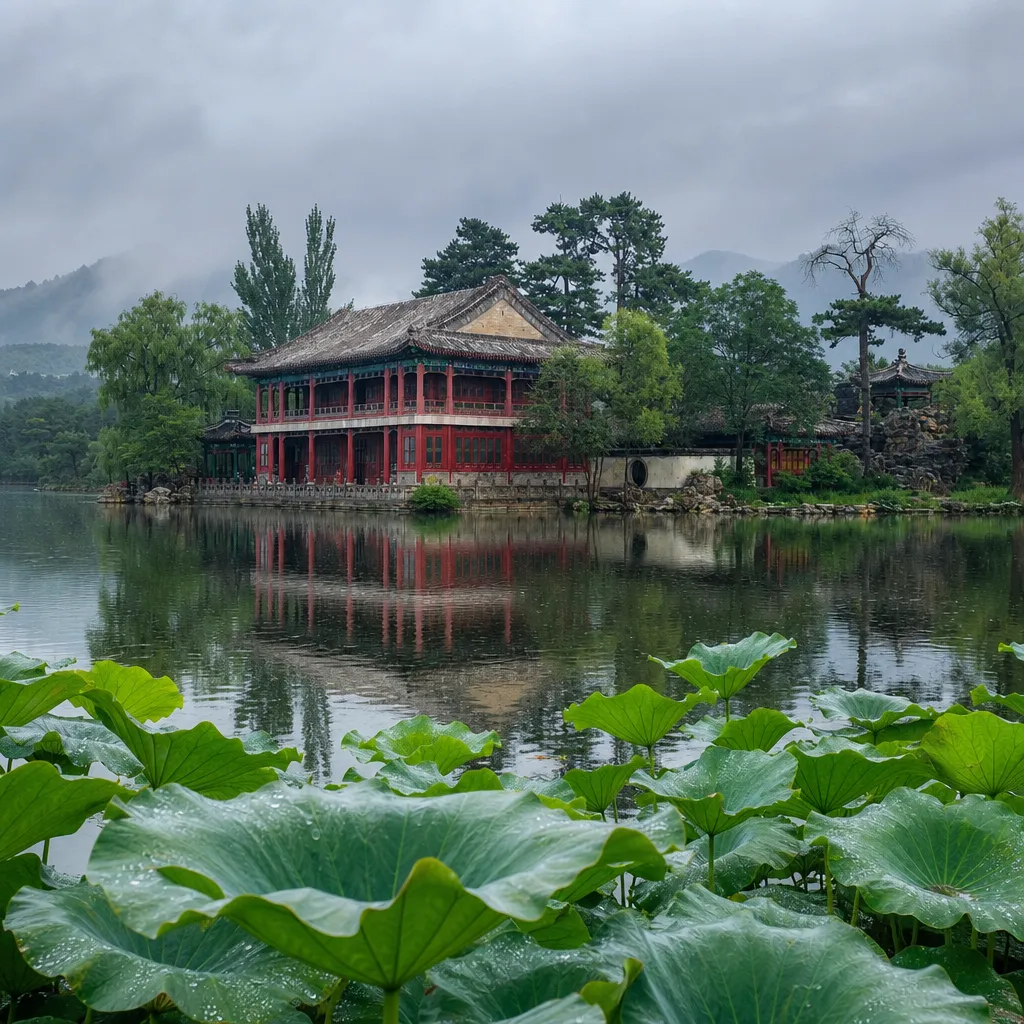
Tower of Mist and Rain

烟雨楼

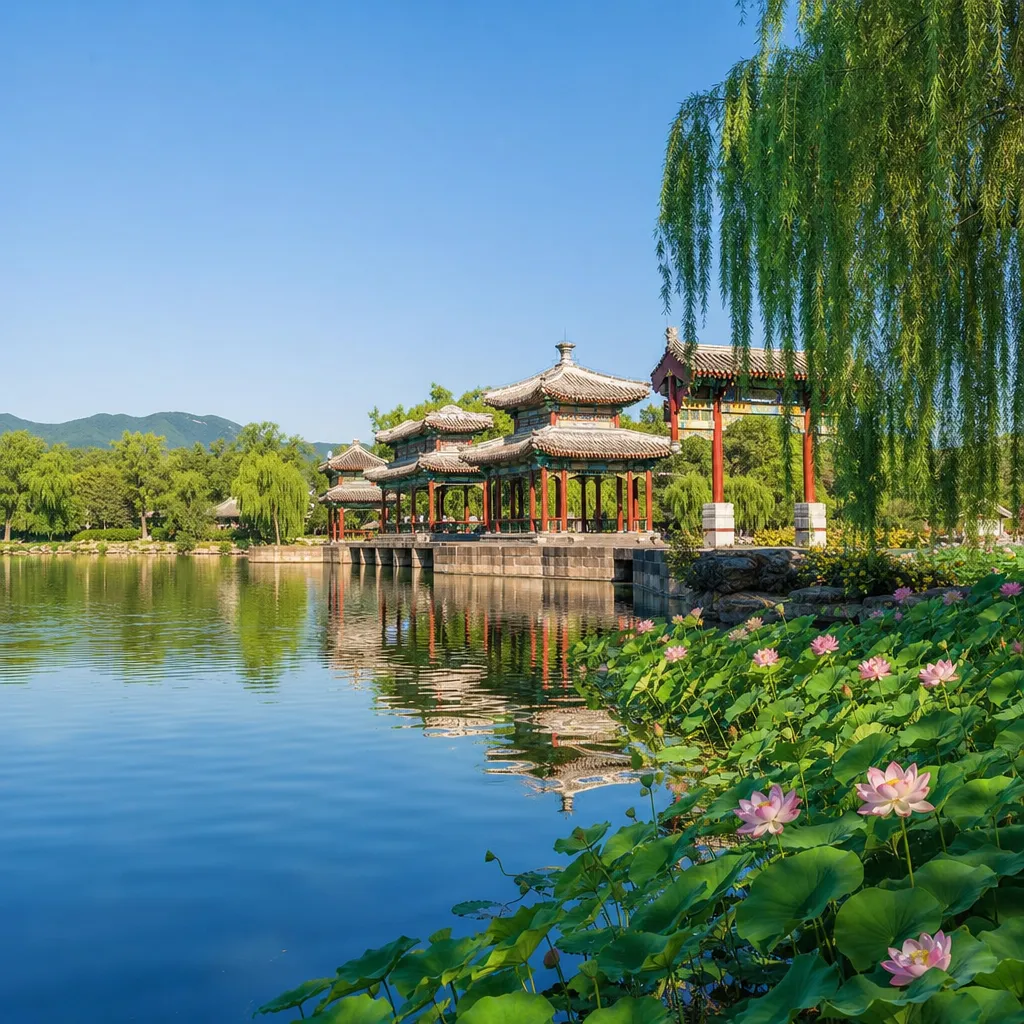
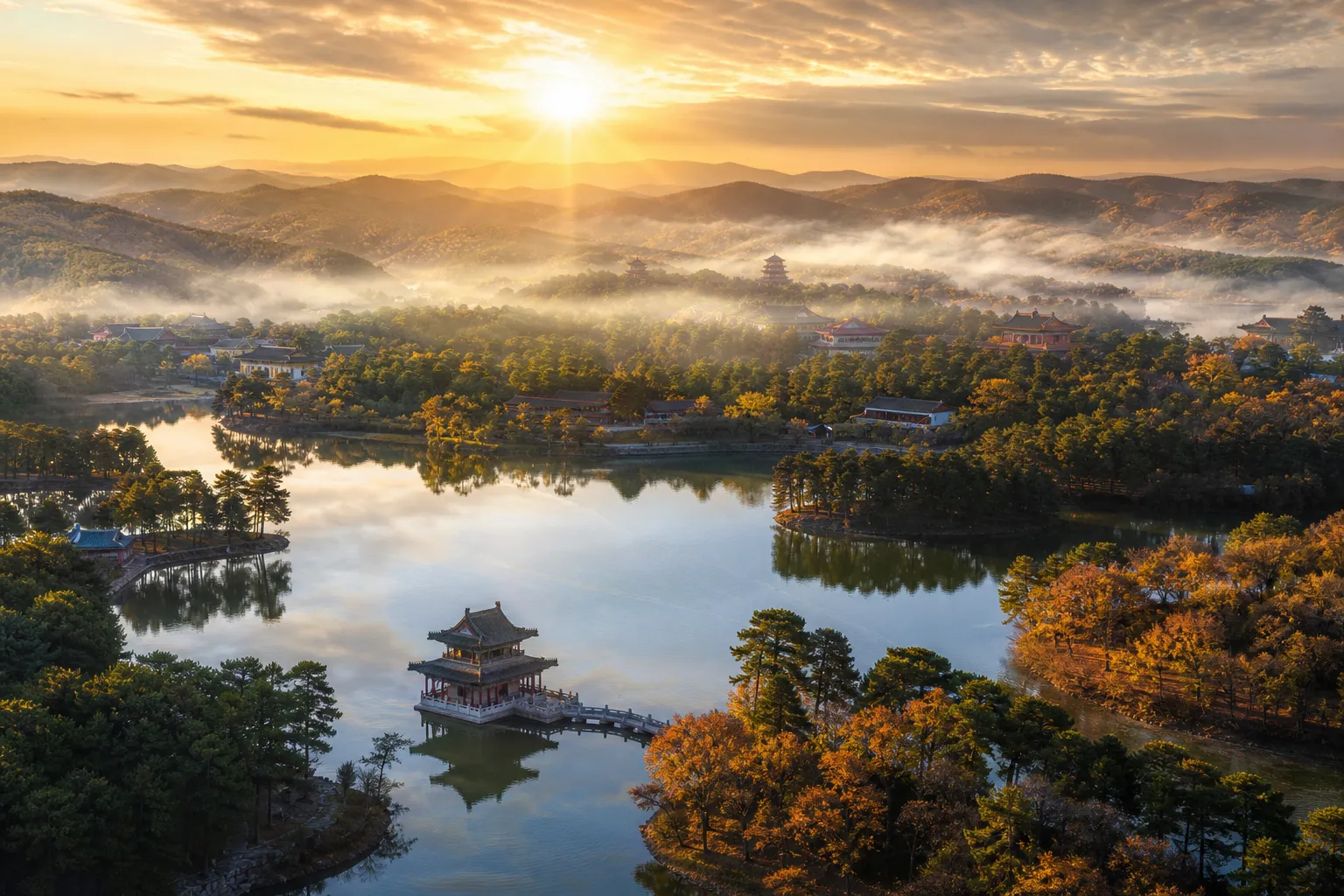
The Misty Rain Tower. Nestled on Qinglian Island at the northern side of Ruyi Islet within the Mountain Resort, the Misty Rain Tower is a Jiangnan-style garden architecture modeled after its namesake on Nanhu Lake in Jiaxing, Zhejiang. The pavilion stands by the water, surrounded by lotus flowers on all sides. When a fine drizzle falls, mist veils the lake surface and the tower emerges and fades among the clouds, evoking a scene of pure poetic charm. Once a retreat where Qing emperors savored the rain, composed verses, and wielded their brushes, it also served as a filming location for beloved TV dramas such as *My Fair Princess*. Ascending the tower and gazing into the distance, visitors can take in the picturesque scenery of the lake district and experience a perfect fusion of imperial garden grandeur and the refined elegance of Jiangnan.

Sight 3

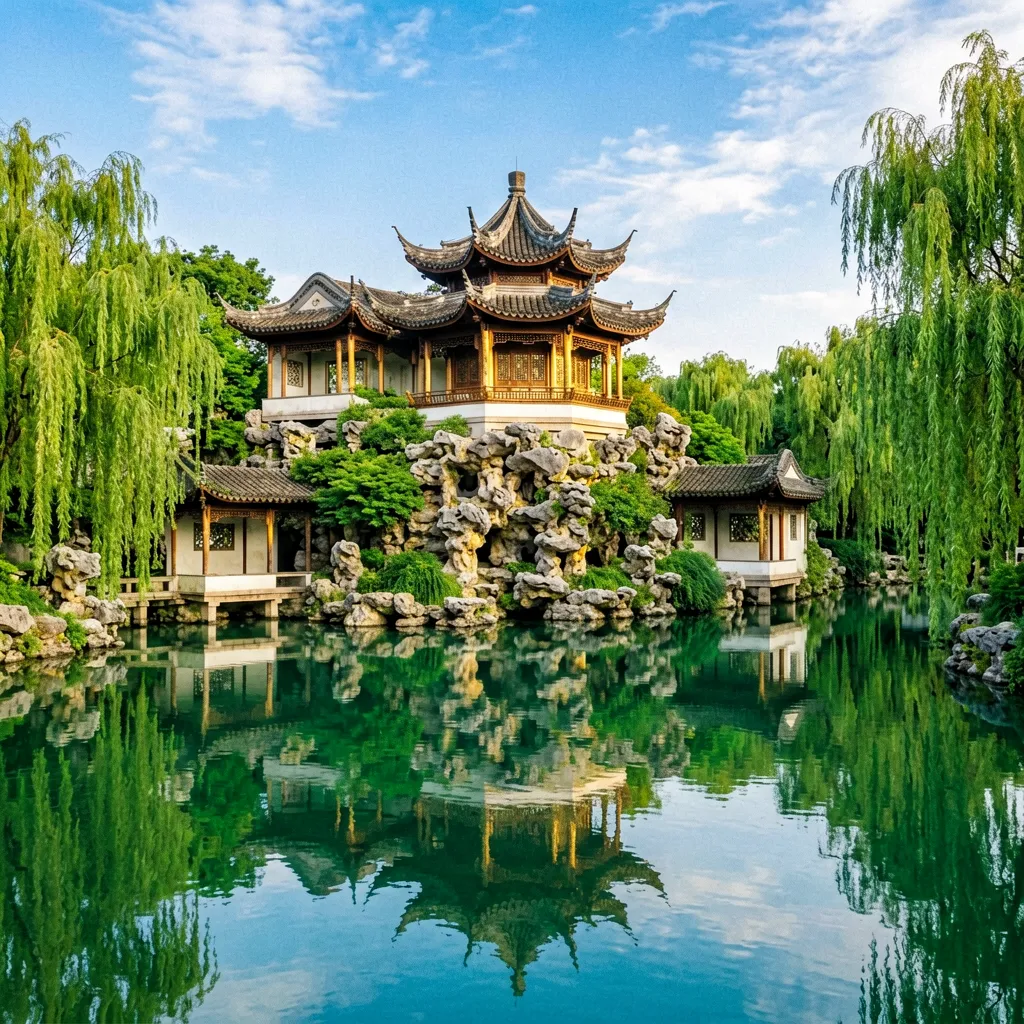
Golden Hill

金山

Jinshan. Jinshan is the most Jiangnan-style scenic spot within the Mountain Resort, modeled after the Jinshan Temple in Zhenjiang, Jiangsu Province. Pavilions and towers are scattered across the island, with the three-story Shangdi Pavilion at its core, offering a panoramic view of the lake area from its top. The architecture follows the natural contours of the hills and blends seamlessly with the waterscape, showcasing the Qing Dynasty royal garden's transplantation and reinterpretation of famed Jiangnan scenery. It served as a place for emperors to admire views and worship Buddha, and today it remains a must-visit for tourists seeking the essence of classical Chinese garden design.

Sight 4

Water Heart Pavilion

水心榭

Sight 5

Wenjin Pavilion

文津阁

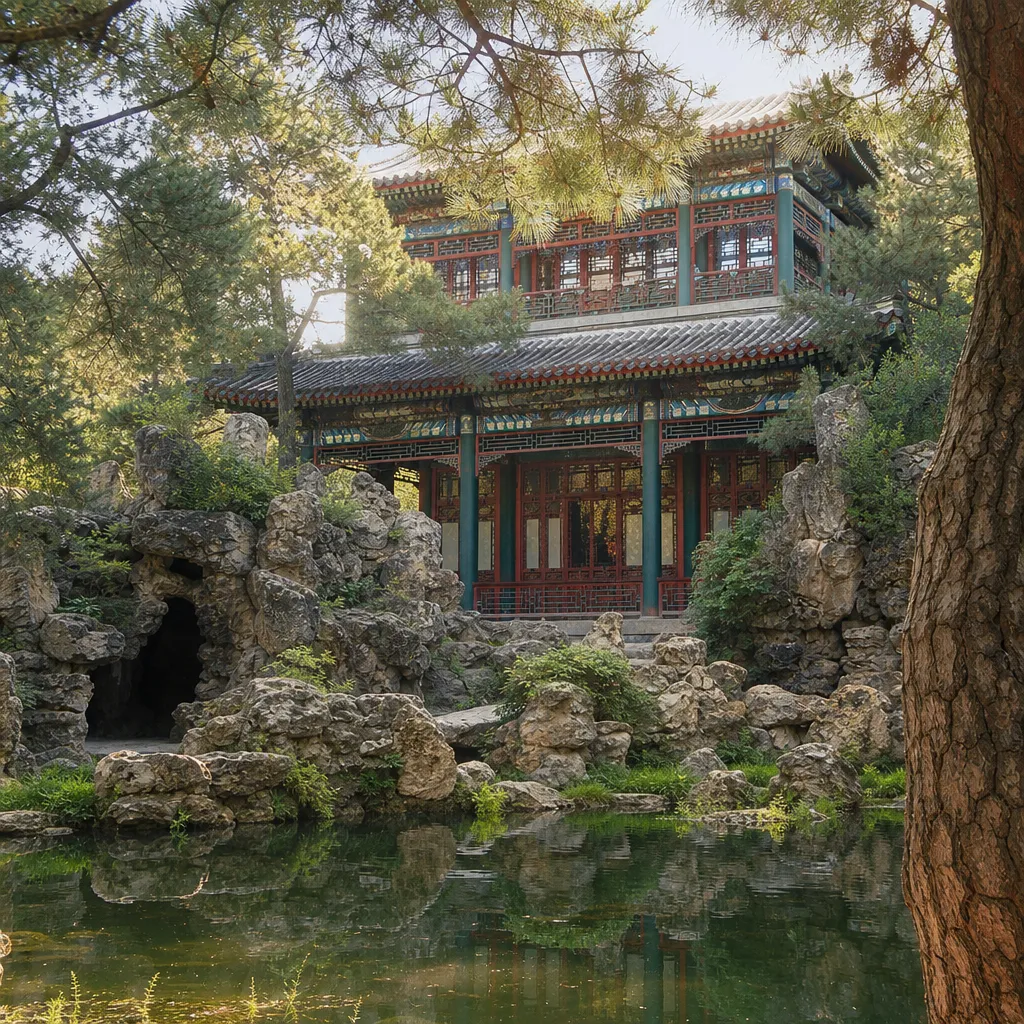
Wenjin Ge (Pavilion of Literary Profundity). Wenjin Ge is a royal library from the Qing Dynasty located within the Mountain Resort, modeled after Ningbo's Tianyi Ge. It once housed a copy of the *Siku Quanshu* (Complete Library of the Four Treasuries), and, together with Wenyuan Ge in the Forbidden City, was one of the seven renowned imperial libraries. In front of the pavilion, artificial rockeries rise in layered splendor, while the pool below reflects the moon. Through the ingenious use of light refraction, the site achieves a remarkable phenomenon known as "the sun and moon shining together" — where a moonlit reflection can be seen even in daytime. It stands as an outstanding example of the fusion of ancient Chinese garden design and architectural ingenuity. Surrounded by tranquil scenery and towering ancient trees, this spot is an unmissable highlight for those seeking to experience the cultural depth of the imperial heritage and the artistry of classical Chinese gardens.

Sight 6

Yongyou Temple Pagoda

永佑寺舍利塔

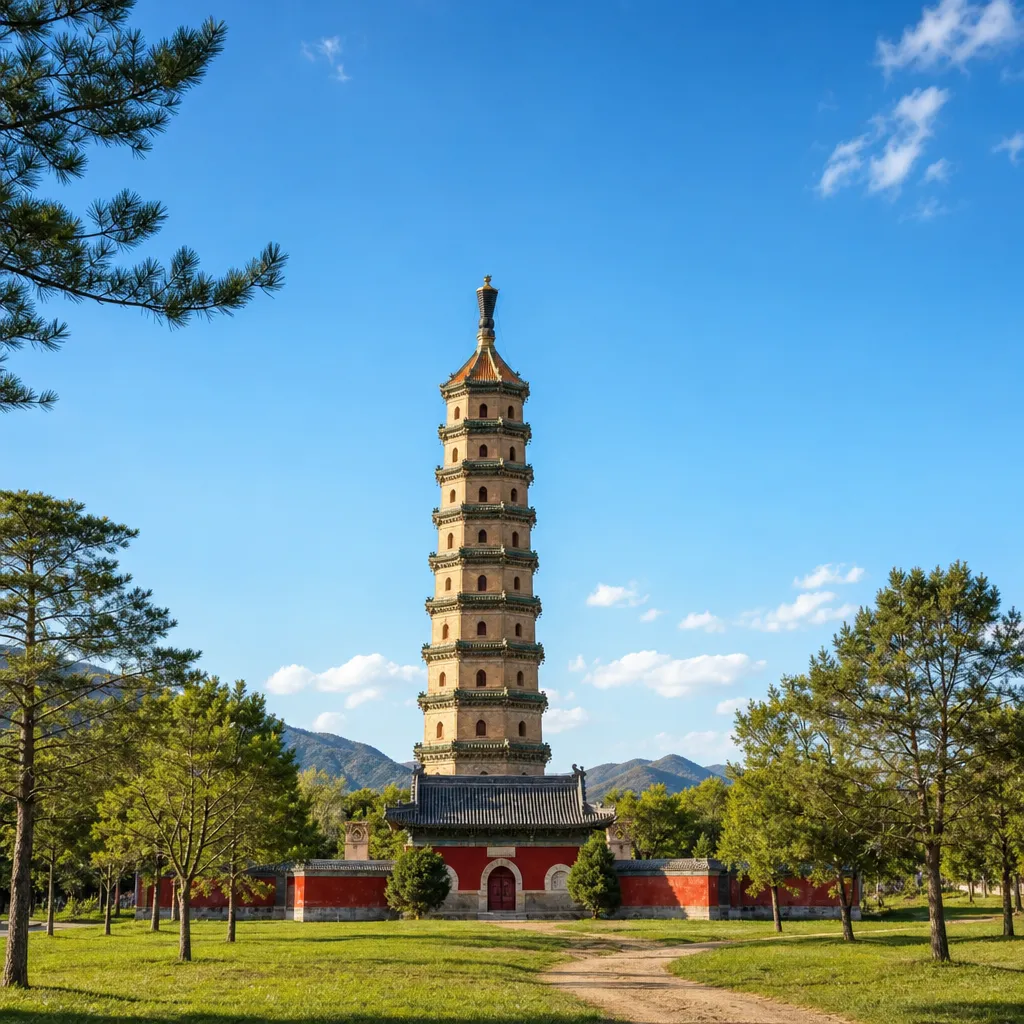
Yongyou Temple Stupa. The Yongyou Temple Stupa is a landmark structure within the Mountain Resort, modeled after the Liuhe Pagoda in Hangzhou with an air of solemn elegance. The nine-tiered tower features flying eaves, dougong brackets, and intricately painted beams and rafters, blending Han, Tibetan, and Mongol architectural arts. Ascending the tower offers a panoramic view of the resort and a distant glimpse of Qingchui Peak, allowing visitors to appreciate the grandeur and craftsmanship of this imperial garden. Once a site where Qing Dynasty emperors offered prayers, it carries profound historical significance and stands as a must-visit destination for experiencing the beauty of Eastern ancient architecture and imperial culture.

Eat

Local Eats

The local dishes worth crossing town for.

Eat 1

Chengde Liangfen

承德凉粉

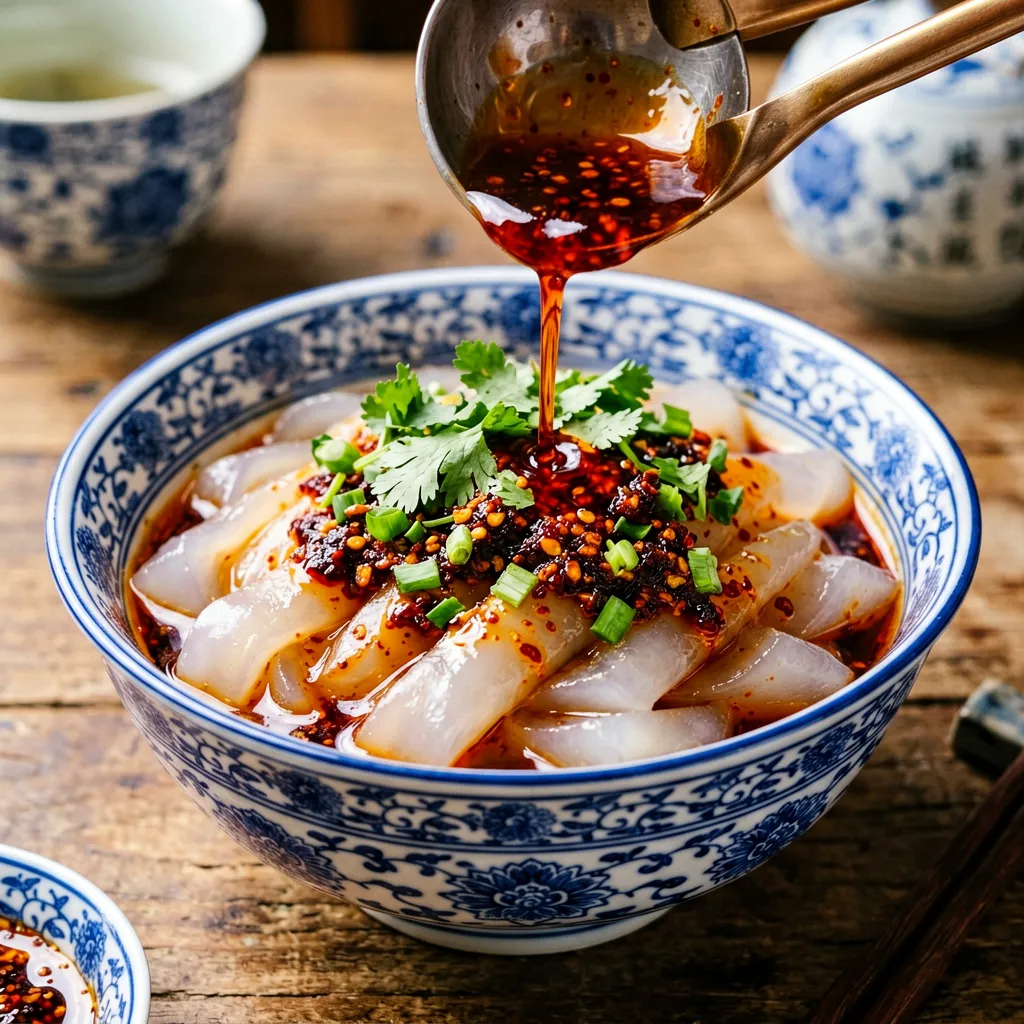
Chengde Liangfen (Bean Starch Noodles). Chengde Liangfen is a traditional snack commonly found around the Mountain Resort, made from mung bean or pea starch, offering a smooth, tender, and refreshing texture. It is served with a secret sesame paste, minced garlic, vinegar, and chili oil, delivering a tangy and spicy flavor that whets the appetite, making it especially perfect for cooling off in summer. Though simple in preparation, the process requires precision, resulting in a crystal-clear finished product, enhanced with cilantro and shredded cucumber for extra freshness. As a local delicacy of Chengde, it embodies both the simplicity of northern snacks and the boldness of grassland cuisine, making it a convenient choice for visitors to experience the local street culture after touring the Mountain Resort.

Eat 2

Lǘdagun

驴打滚

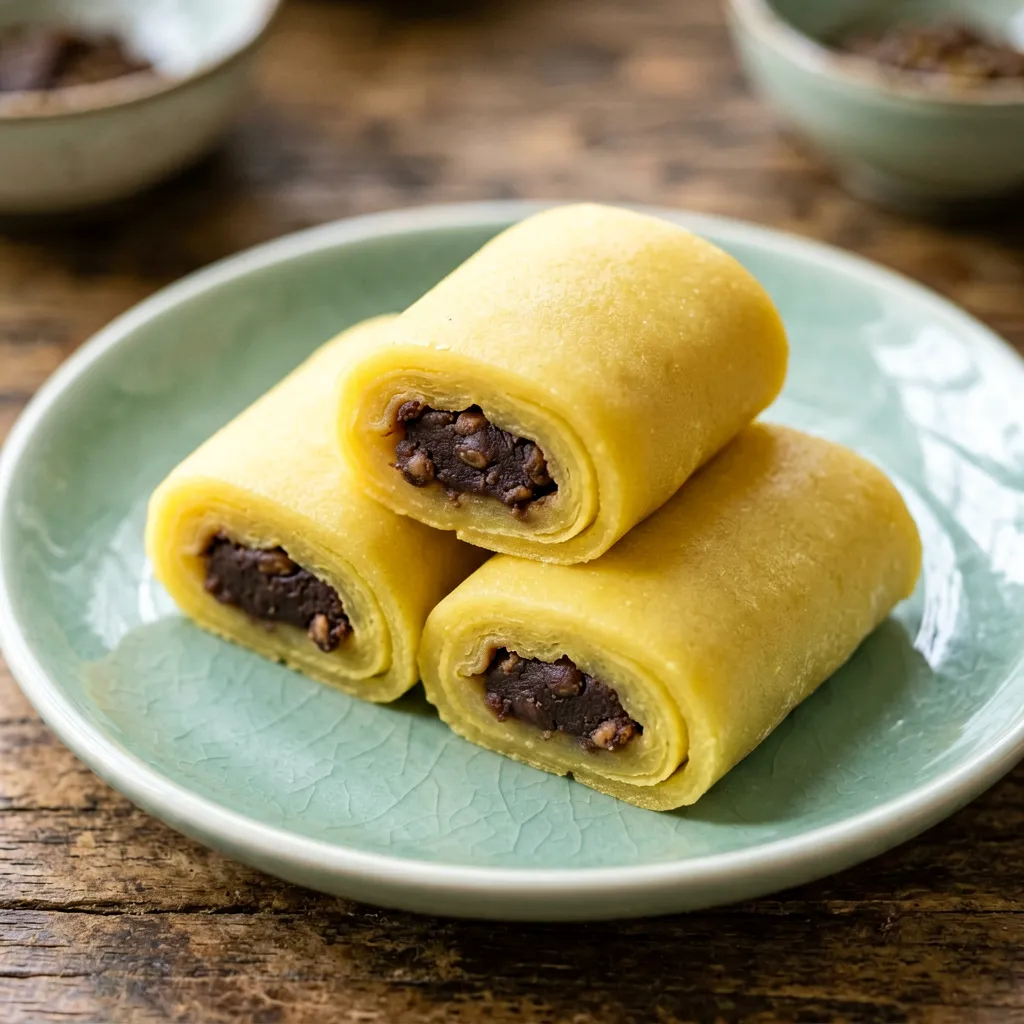
Lǘ Dǎ Gǔn (Donkey Rolling). This is a traditional palace snack from the area around the Chengde Mountain Resort, named for the way it is rolled in soybean flour during preparation, which resembles a donkey rolling on the ground. The outer layer is soft and chewy yellow millet flour, wrapped around a fine and smooth red bean paste filling. Each bite is sweet, rich, and dense, with a pronounced aroma of soybeans. As a classic snack from the vicinity of the Qing Dynasty imperial gardens, it carries the mark of the fusion between northern nomadic and agrarian food cultures. When tasting it, pairing it with a cup of clear tea allows you to savor the interweaving of history and flavor.

Eat 3

Rose Flower Cake

鲜花玫瑰饼

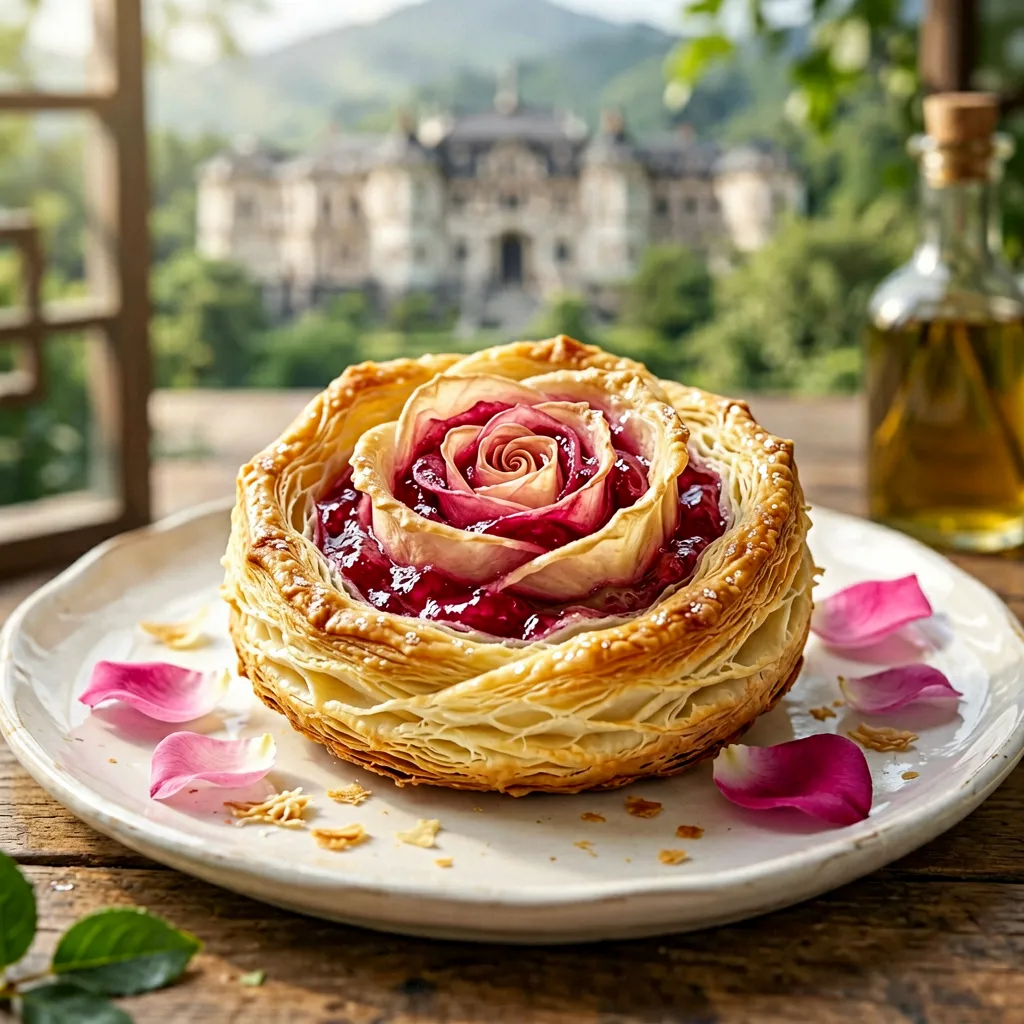
Fresh Rose Pastry. This traditional delicacy, associated with the Chengde Mountain Resort area, features a filling made from fresh rose petals encased in a crisp, flaky crust with a sweet, aromatic heart. Crafted by blending premium rose petals with honey and nuts before baking, the pastry retains a lingering floral fragrance and offers a rich, layered texture. Beyond being a beloved everyday tea snack for locals, it is also a popular gift, letting visitors savor a touch of sweet floral charm as they explore the historic gardens.

Eat 4

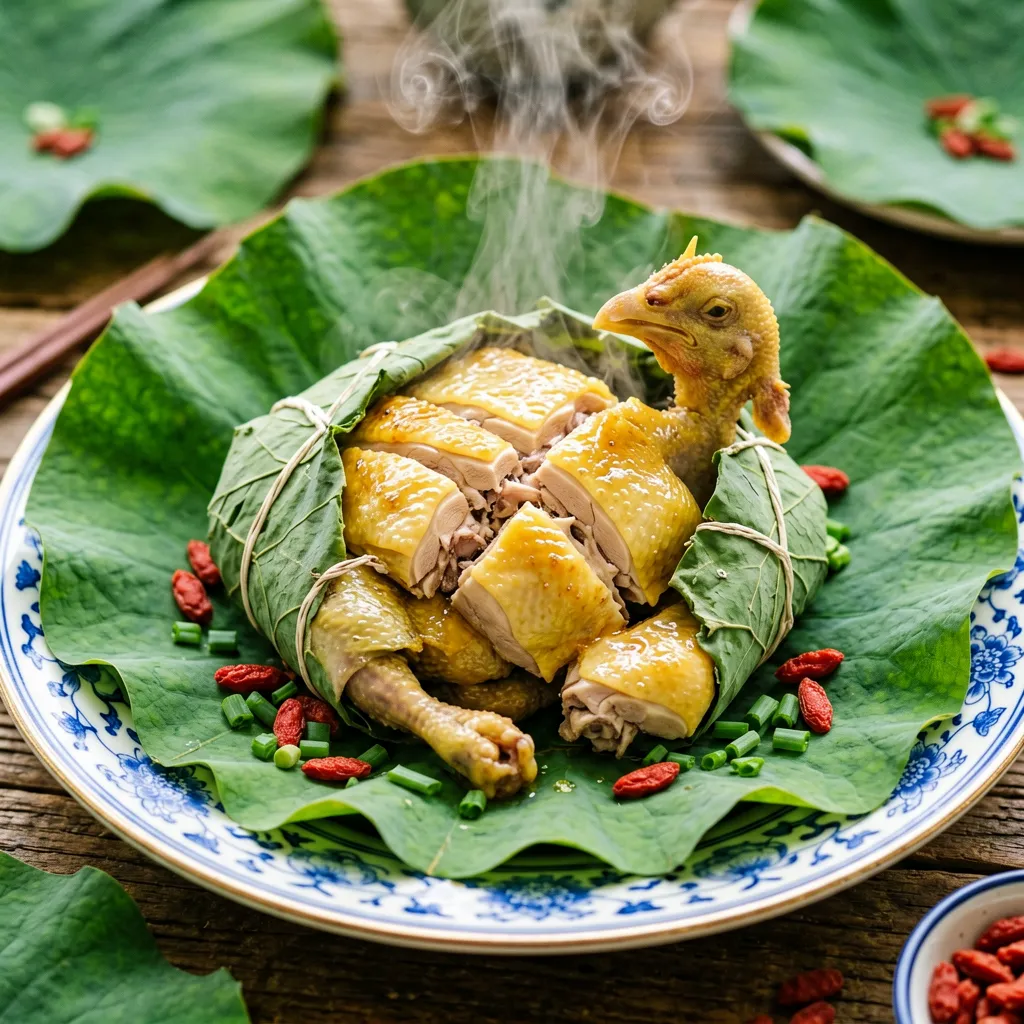
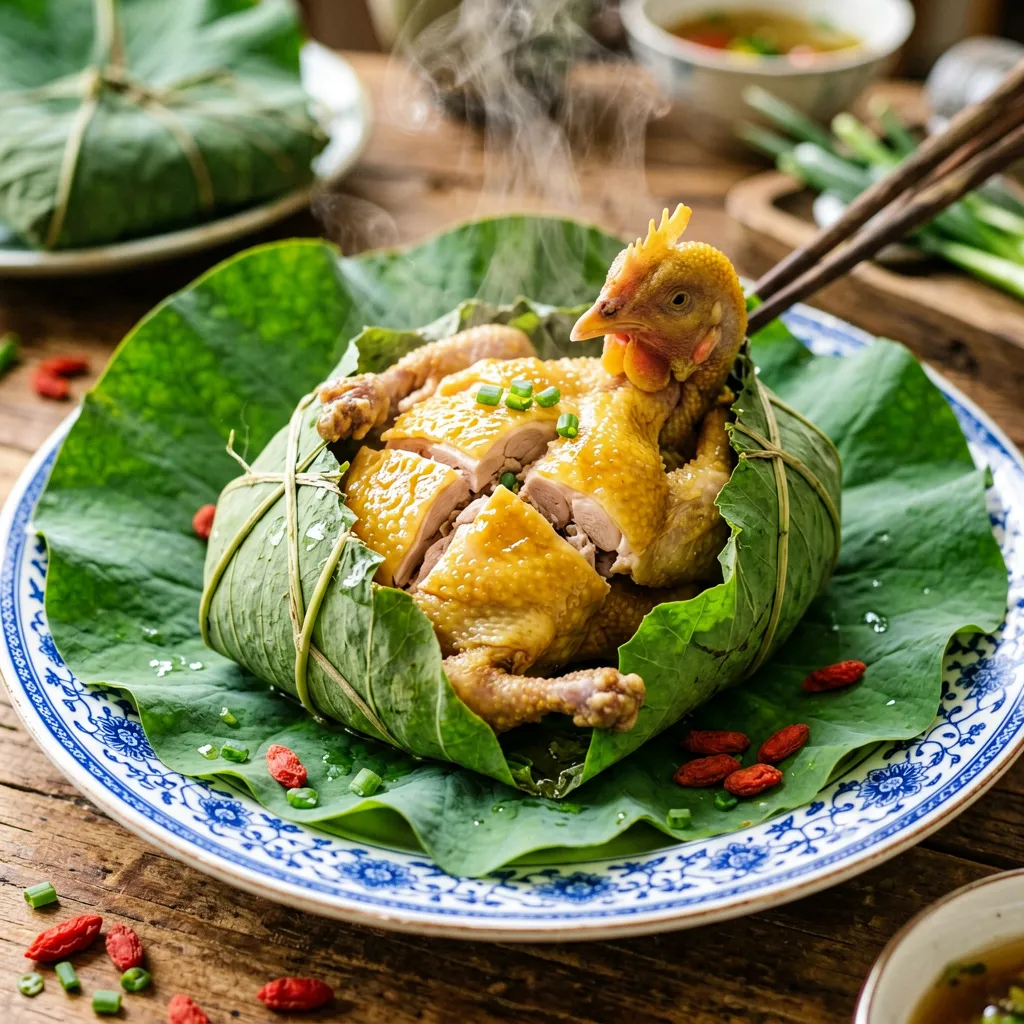
Imperial Lotus Leaf Chicken

御土荷叶鸡

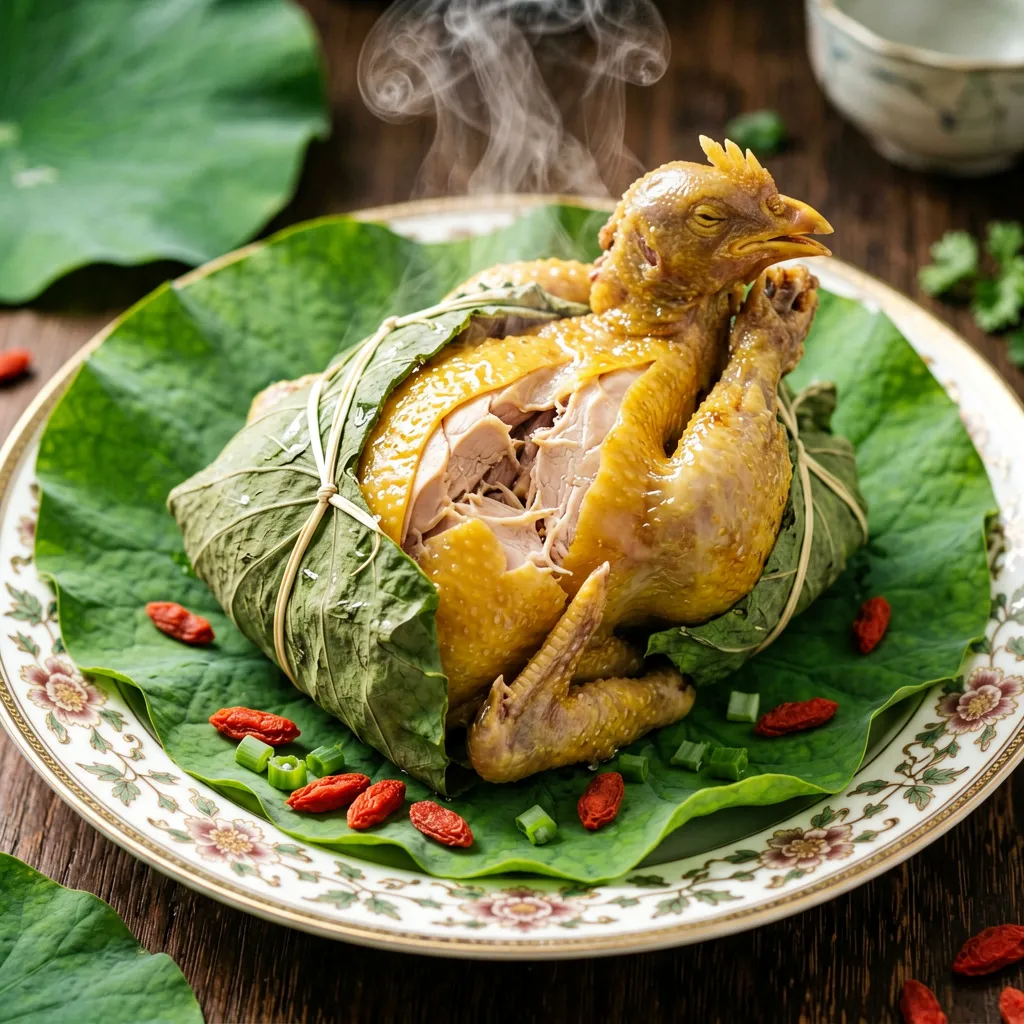
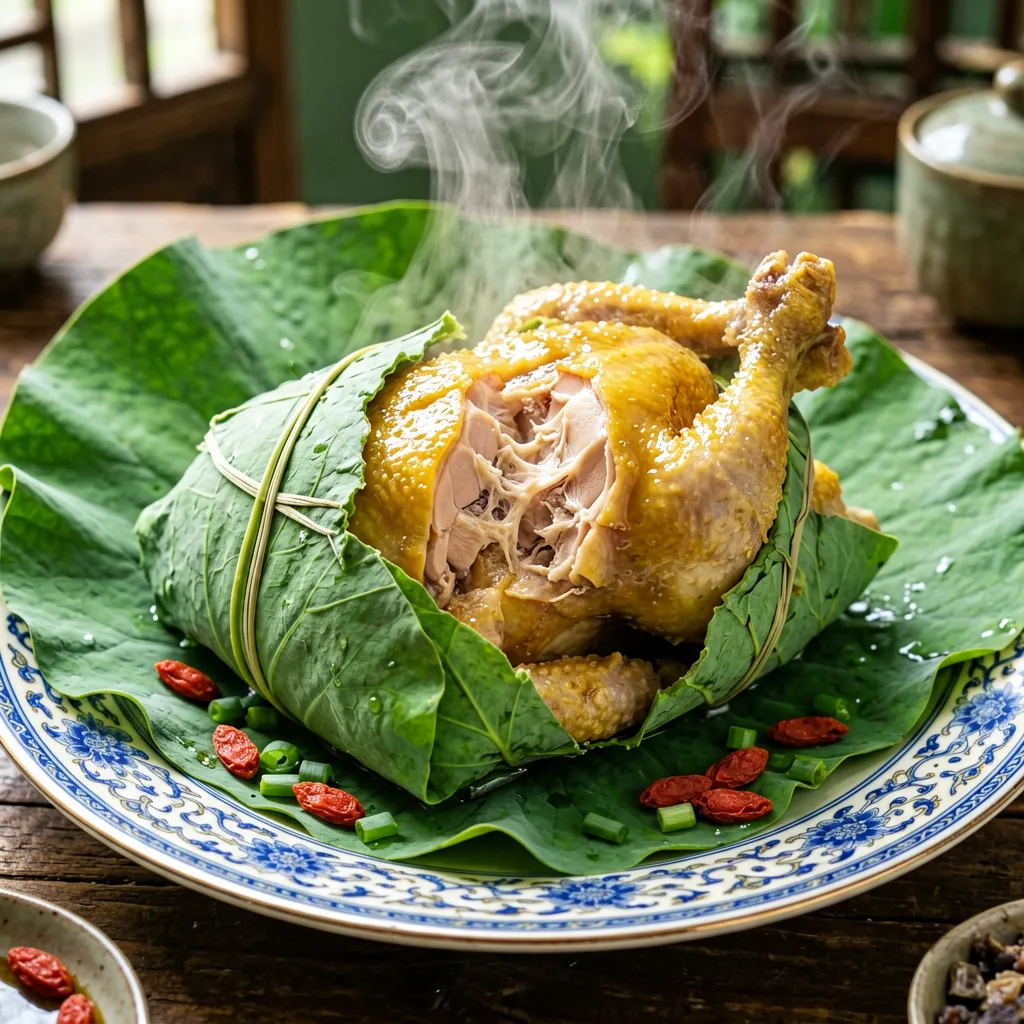
Imperial-Style Lotus Leaf Chicken. This dish is a signature delicacy of the Mountain Resort, said to have once been part of the imperial court cuisine of the Qing Dynasty. To prepare it, locally sourced free-range chicken is wrapped in lotus leaves, coated with mud, and then roasted. The meat is tender and juicy, infused with the subtle fragrance of lotus leaves, offering a truly unique texture. Blending the refinement of royal culinary culture with the rustic charm of folk cooking, it is a must-try for experiencing the regional flavors and historical essence of Chengde.

Eat 5

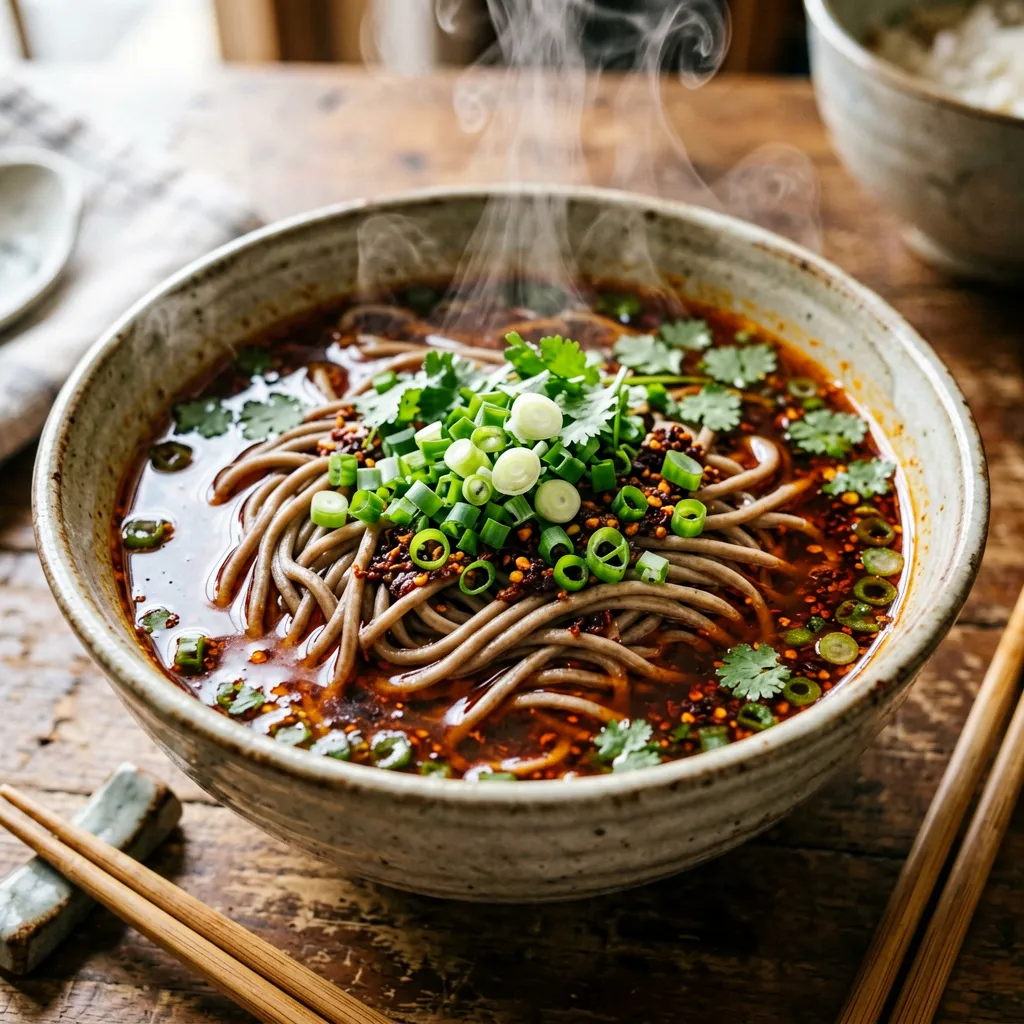
Qiaomian Helou

荞面河漏

Buckwheat Helou (Buckwheat Noodles). Buckwheat Helou is a traditional specialty noodle dish from the Chengde Mountain Resort area. Made primarily from buckwheat flour and pressed through a specially crafted helou press, the noodles are springy, smooth, and carry the distinctive aromatic flavor of buckwheat. It is often served with a tangy and spicy sauce or a hot broth, offering a rich taste that is both filling and easy to digest. As a quintessential representation of local Manchu and northern folk cuisine, the craftsmanship and flavor of Helou preserve the rustic agricultural culinary traditions, making it a must-try snack to experience the local flavors of Chengde.