Potatso National Park

Nature · Yunnan · 普达措国家公园

Potatso National Park

Shangri-La

Potatso National Park · ChinaMazing

Discover

Core Sights

The essential sights — what they are, and when to go.

Shudu Lake

Sight 1

Shudu Lake

属都湖

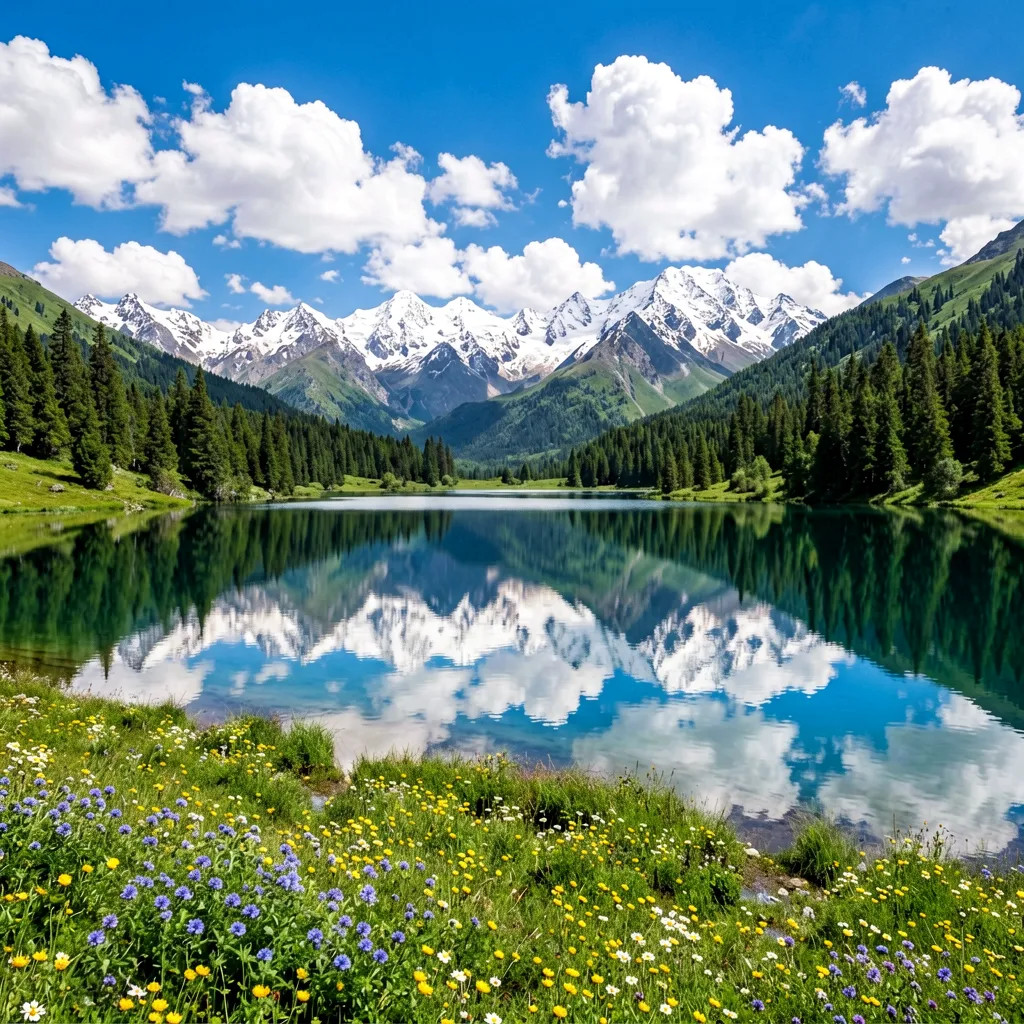
Shudu Lake is a high-altitude lake within Potatso National Park, situated at an elevation of approximately 3,700 meters. Its surface is as calm as a mirror, embraced by pristine forests and meadows. The lake is renowned for its crystal-clear waters and rich biodiversity, where yaks are often seen leisurely grazing and migratory birds gracefully perch nearby. Strolling along the lakeside wooden boardwalk, visitors can closely admire alpine vegetation such as fir trees and rhododendrons while soaking in the tranquil ambiance of nature. As part of the "Three Parallel Rivers" UNESCO World Heritage Site, this lake also serves as an exceptional vantage point for observing plateau wetland ecosystems.
Bita Lake

Sight 2

Bita Lake

碧塔海

Bitahai Lake. Bitahai Lake is an alpine lake within Pudacuo National Park, whose Tibetan name means "a place carpeted with oak trees." The lake water is crystal clear, surrounded by mountains on all sides, with primeval forests and alpine meadows setting off each other beautifully. In summer, azaleas bloom along the lakeshore; in winter, snowcapped peaks are reflected in the lake, and the scenery changes with the seasons. Visitors can hike along the boardwalk to spot rare birds and free-grazing yaks, experiencing the purity and tranquility of the plateau ecosystem. As part of the "Three Parallel Rivers" World Natural Heritage site, it is also an ideal place to learn about Tibetan culture and nature.

Milizhu Meadow

Sight 3

Milizhu Meadow

弥里塘高山牧场

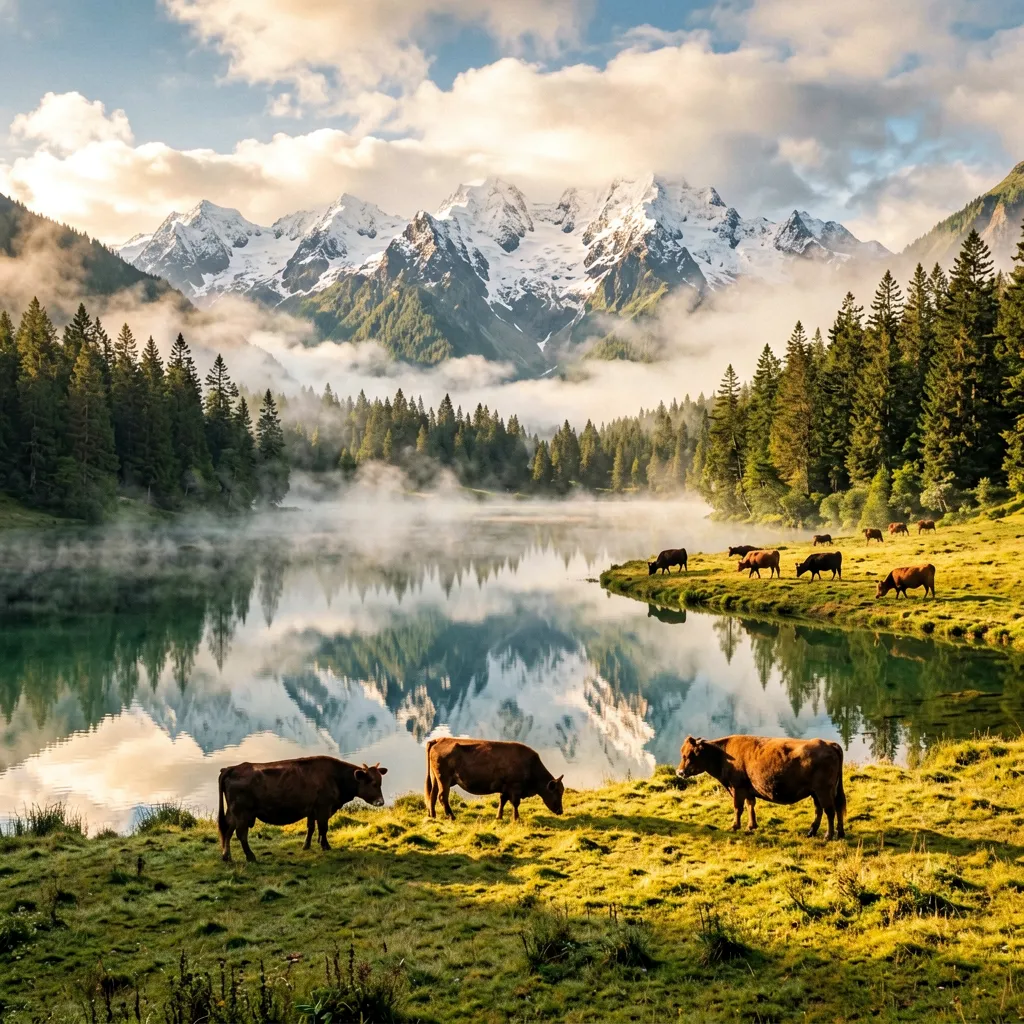
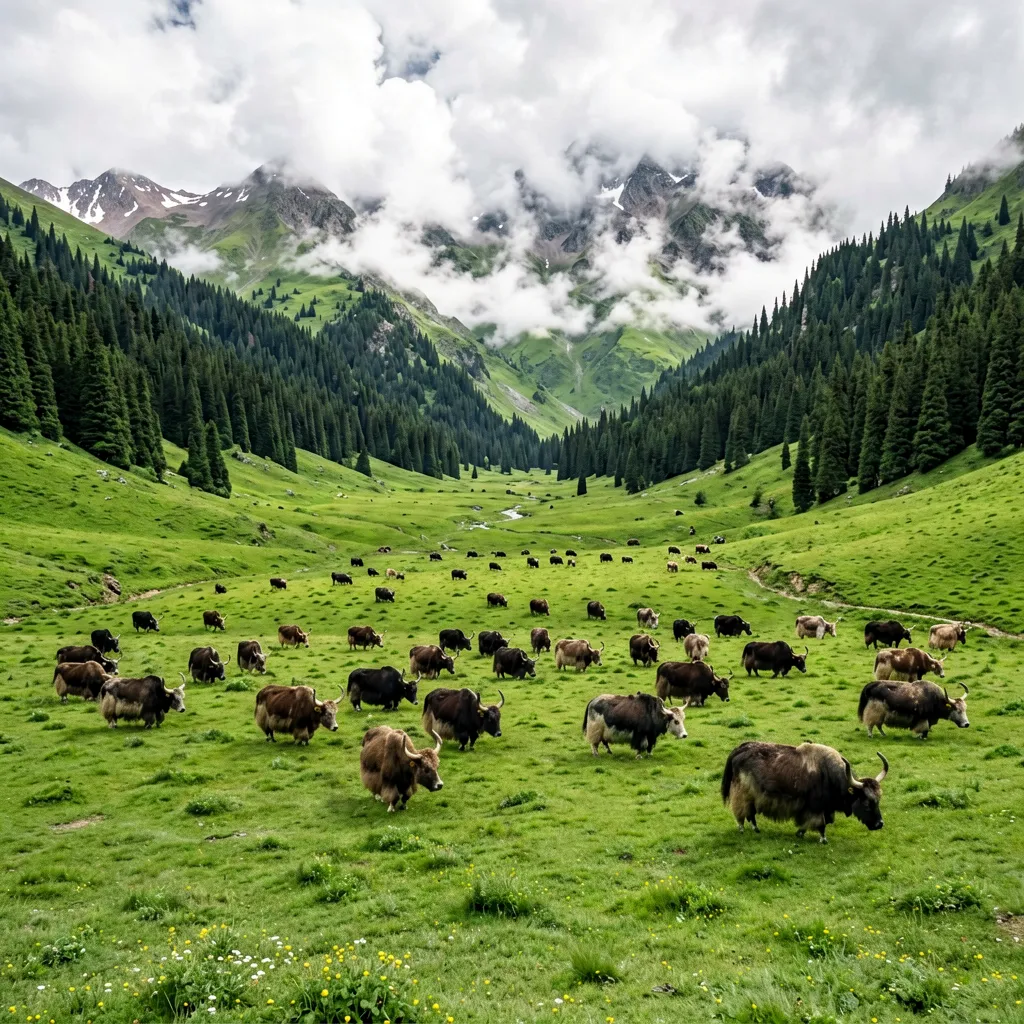
Milintang Alpine Pasture. Located in the core area of Pudacuo National Park, Milintang Alpine Pasture is a typical alpine meadow. Surrounded by pristine forests, the pasture sees yaks and sheep wandering leisurely while snow-capped mountains loom faintly in the distance. In summer, wildflowers blanket the ground; in autumn, the meadow turns golden—each season offers a distinct landscape. It is also an ideal spot for observing alpine plants and wildlife. Visitors can stroll along the wooden boardwalk and soak in the tranquil pastoral scenery of the Tibetan region. As a representative of Shangri-La's ecotourism, Milintang showcases the harmonious coexistence of nature and humanity.

Eat

Local Eats

The local dishes worth crossing town for.

Butter Tea
Eat 1

Butter Tea

酥油茶

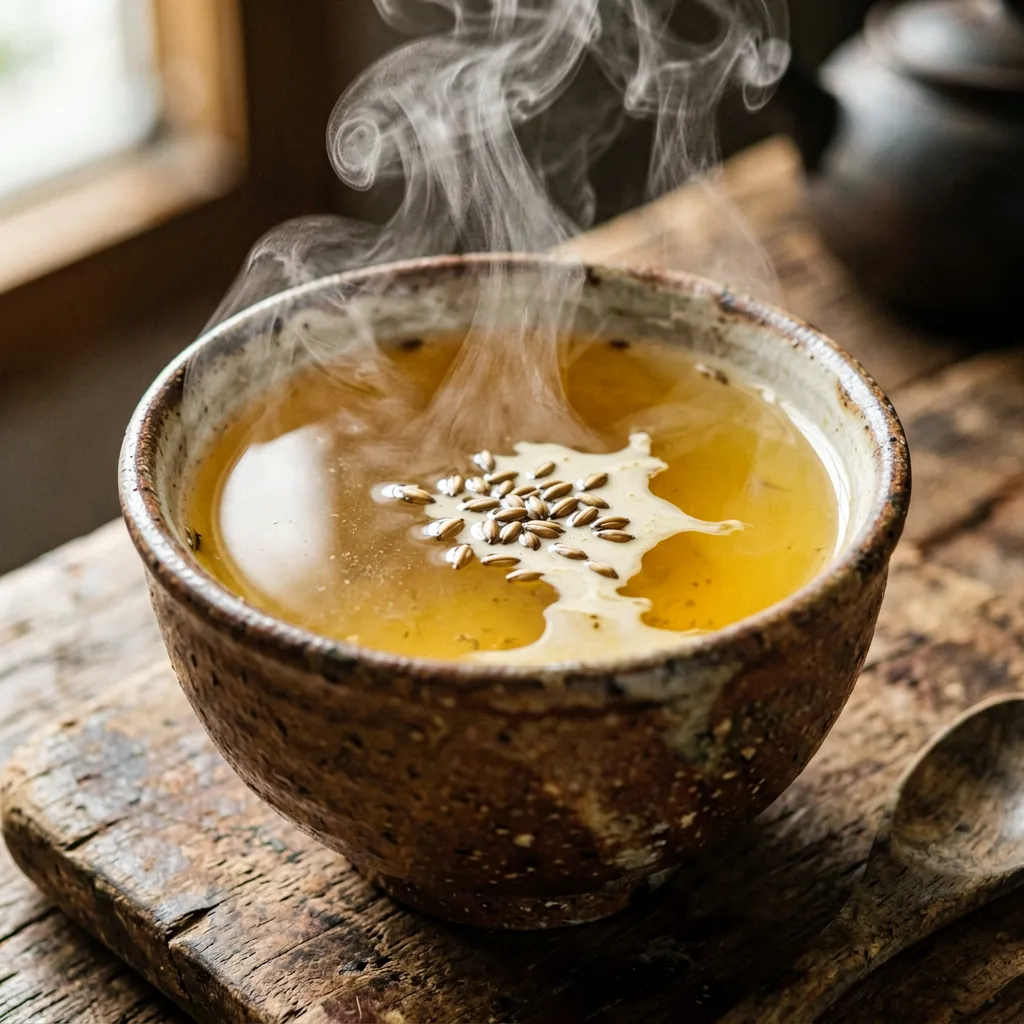
Butter tea is a classic beverage in the daily life of the Tibetan people, made by repeatedly churning brick tea, butter, and salt. It has a creamy yellow color and a savory, rich flavor. In the high-altitude region of Potatso, it not only warms the body against the cold but also helps alleviate altitude sickness, making it an indispensable warm drink for both locals and visitors. First-time drinkers may find its robust taste unfamiliar, but as you savor it slowly, you can truly appreciate the unique simplicity and hospitality of the Tibetan land. Tasting butter tea is also one of the most direct ways to understand Tibetan food culture.

Tsampa
Eat 2

Tsampa

糌粑

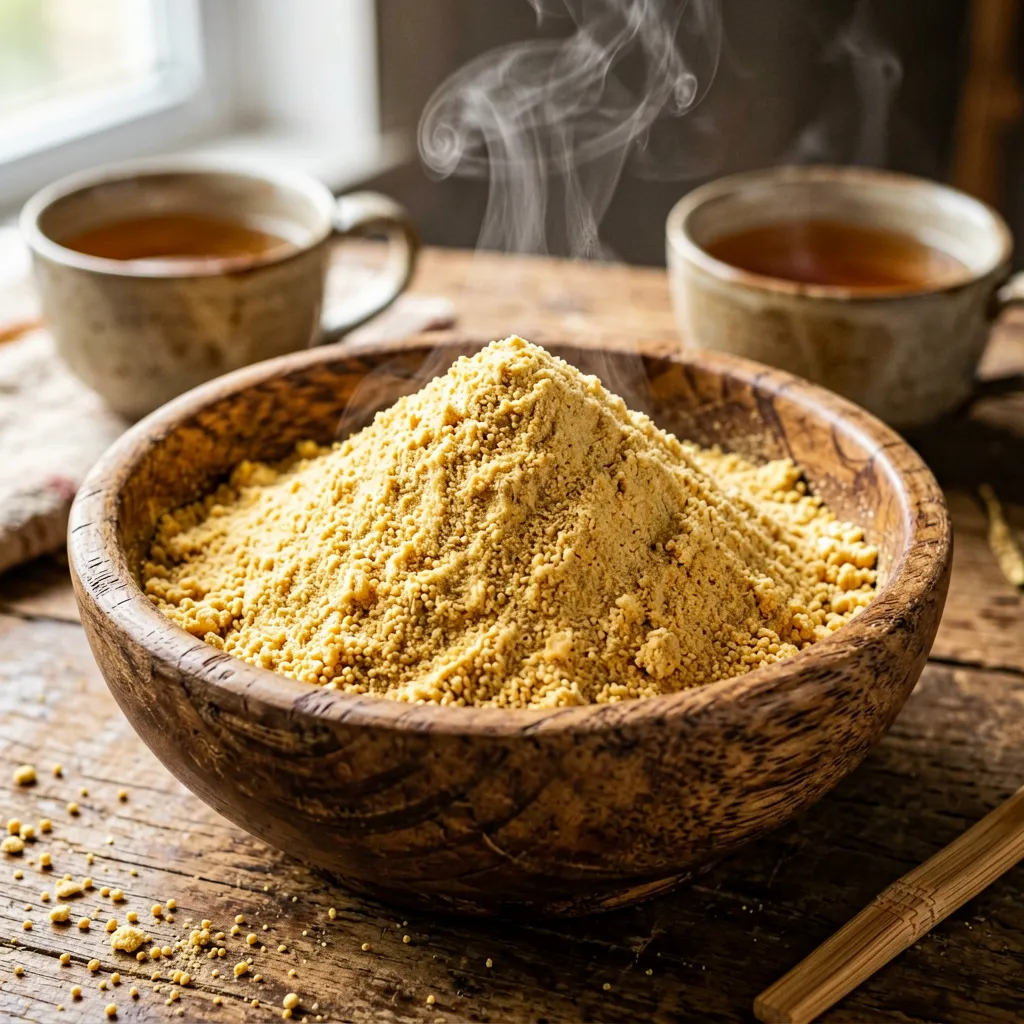
Tsampa. Tsampa is a traditional staple food of the Tibetan people, made from roasted highland barley ground into flour. It is mixed with butter tea or milk tea and kneaded into dough balls before eating. Easy to carry and highly nutritious, it serves as an ideal energy food for high-altitude trekking. In the Tibetan villages around Potatso National Park, visitors can experience making tsampa by hand and appreciate the simplicity and uniqueness of Tibetan food culture. With its rich barley aroma and dense texture, tsampa is often enjoyed with dairy products or honey, offering a window into the local way of life.

Yak Meat Hot Pot
Eat 3

Yak Meat Hot Pot

牦牛肉火锅

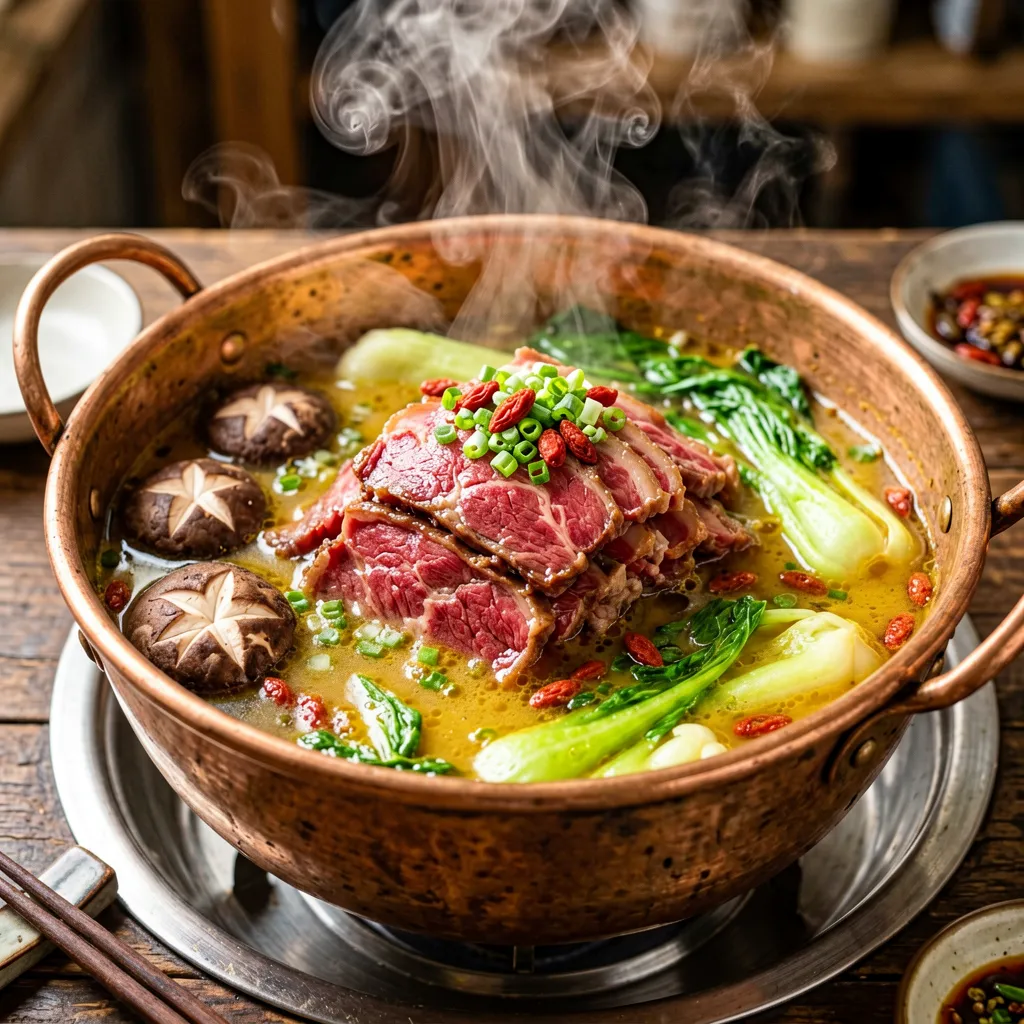
Yak Meat Hotpot. This is a signature delicacy in the area around Pudacuo National Park. Highland yak meat is firm in texture, low in fat, and high in protein, with a rich, robust flavor. Sliced and cooked in either a clear broth or a spicy soup, it is served alongside local mushrooms and seasonal vegetables, delivering a savory and hearty taste. More than just a feast for the palate, this hotpot offers a way to experience Tibetan culinary culture, providing warm nourishment for both body and soul to visitors exploring the highland scenery.

Highland Barley Wine
Eat 4

Highland Barley Wine

青稞酒

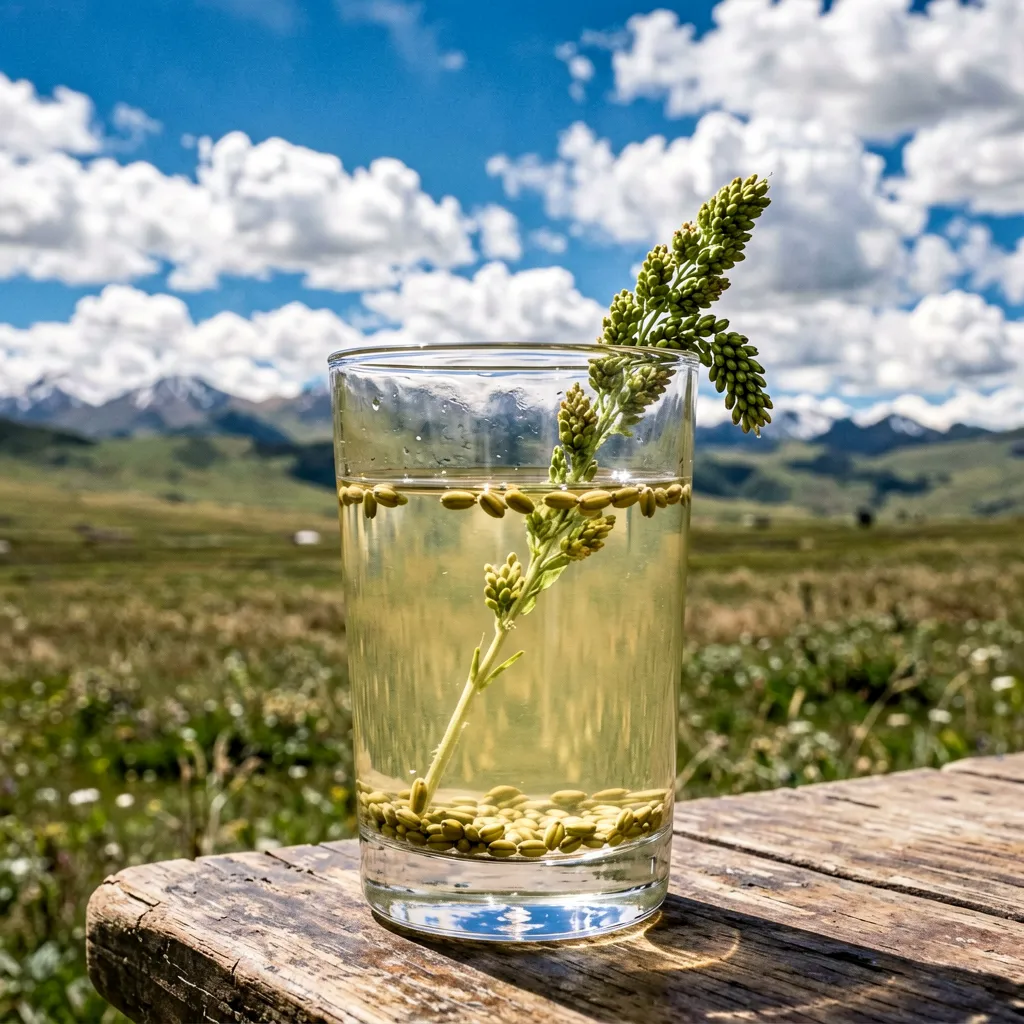
Highland barley wine is a traditional low-alcohol fermented beverage of the Tibetan people, crafted from highland barley unique to the plateau through steaming, adding starter culture, and natural fermentation. In Tibetan villages near Pudacuo National Park, visitors can savor freshly brewed highland barley wine, which offers a subtly tangy and sweet flavor with a light, delicate aroma that perfectly complements the crisp, cold air of the highlands. Beyond being an everyday drink, it is an essential element for hosting guests and celebrating festivals, embodying the warmth and blessings of the Tibetan people. For first-time tasters, it is recommended to sip slowly and savor the wine's distinctive local character.

Pipa Meat (Tibetan Bacon)
Eat 5

Pipa Meat (Tibetan Bacon)

琵琶肉

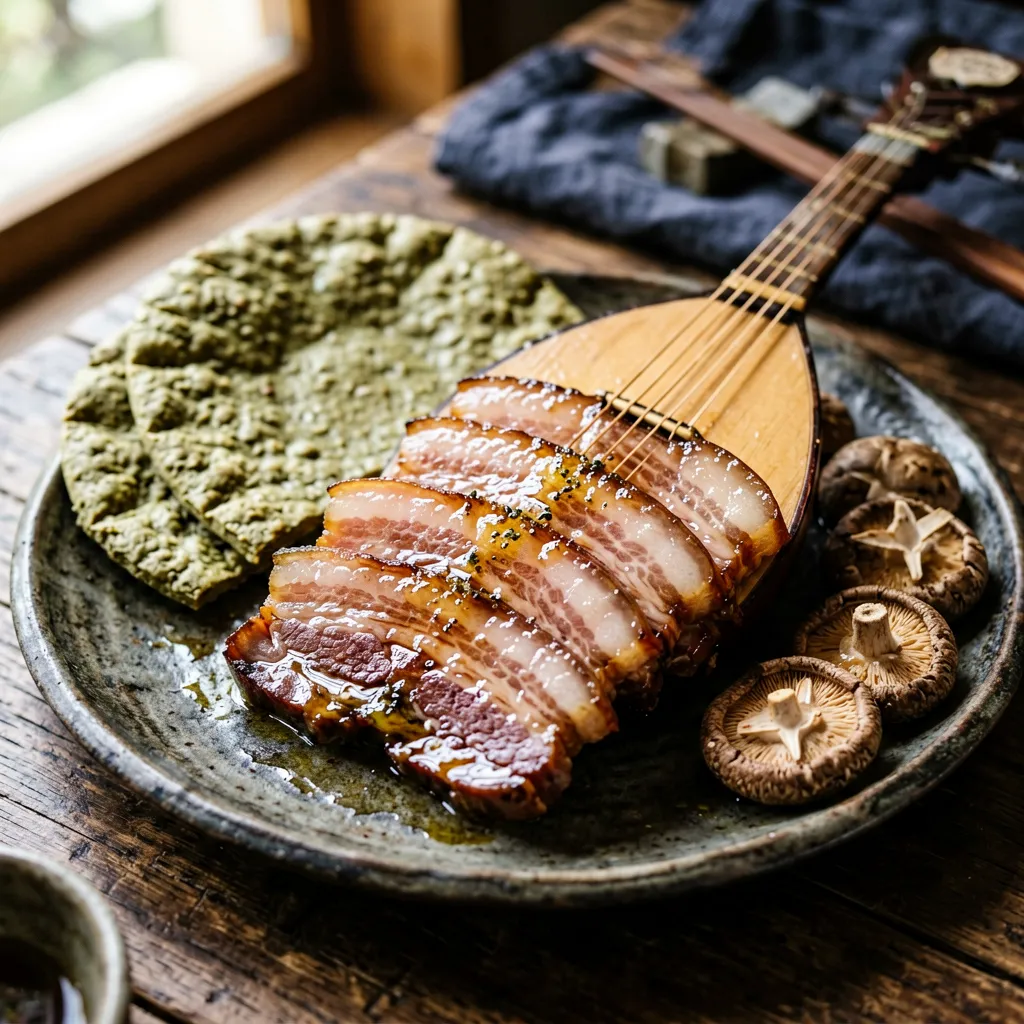
Pipa Meat. Pipa meat is a traditional delicacy of Yunnan's Tibetan people, used to honor guests, and it gets its name from its resemblance to the pipa, a traditional Chinese lute. Made from free-range Tibetan fragrant pigs raised on the plateau, the meat is cured with salt, Sichuan pepper, and other spices before being air-dried. The result is firm, glossy reddish meat with a perfect balance of lean and fat. When served, it is sliced and steamed, boiled, or pan-grilled, offering a rich, savory flavor with the distinctive depth of the plateau. Tasting pipa meat is not just a treat for the palate—it also offers a glimpse into the deep affection the Tibetan people hold for nature and the food it provides.

Dried Milk Curd
Eat 6

Dried Milk Curd

奶渣

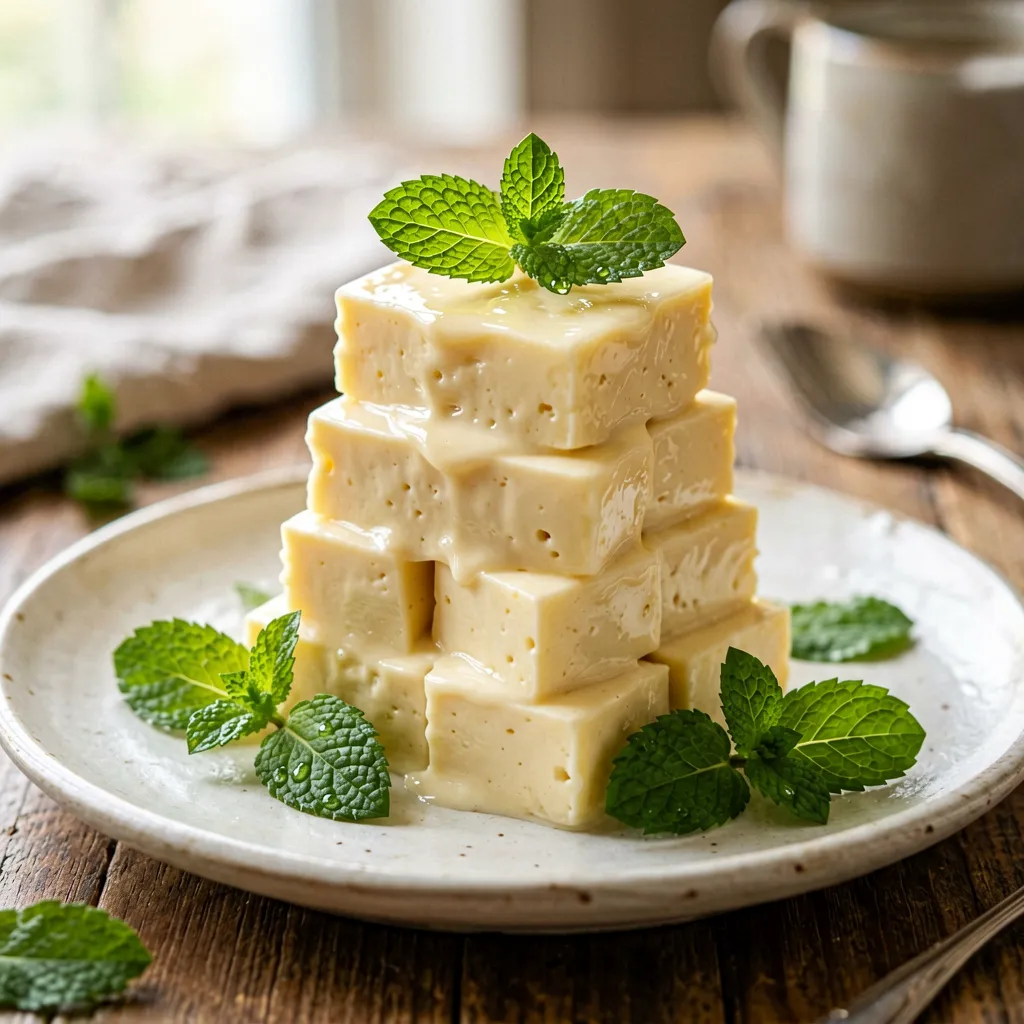
**Dried Milk Curd (Nai Zha)** Dried milk curd is a traditional dairy product of the Tibetan regions. It is made by fermenting yak milk, separating the whey, and then sun-drying the curds. The finished pieces are small and white or pale yellow in color, with a firm, dense texture. The taste is on the sour side, yet rich with a deep, milky aroma. Packed with protein and calcium and highly resistant to spoilage, it once served as a portable staple for herders on the move. At Tibetan family restaurants around Pudacuo, it is commonly enjoyed alongside butter tea or mixed into tsampa for an extra layer of flavor. It can also be sliced and stir-fried with other ingredients or added to soups. For travelers keen to experience authentic highland flavors, the distinctive tang and chewy texture of dried milk curd are well worth a try.