Summer Palace

Heritage · Beijing · 颐和园

Summer Palace

Beijing

Summer Palace · ChinaMazing

Discover

Core Sights

The essential sights — what they are, and when to go.

Tower of Buddhist Incense

Sight 1

Tower of Buddhist Incense

佛香阁

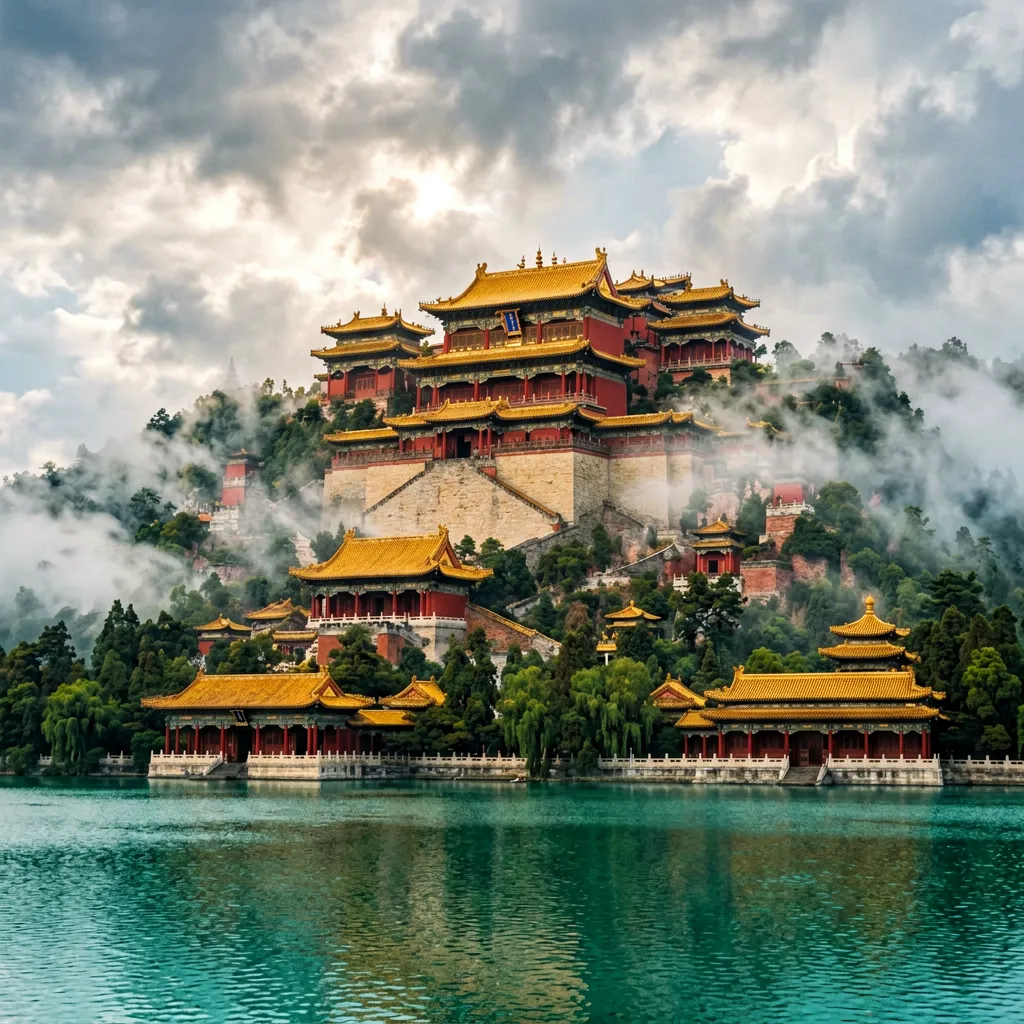
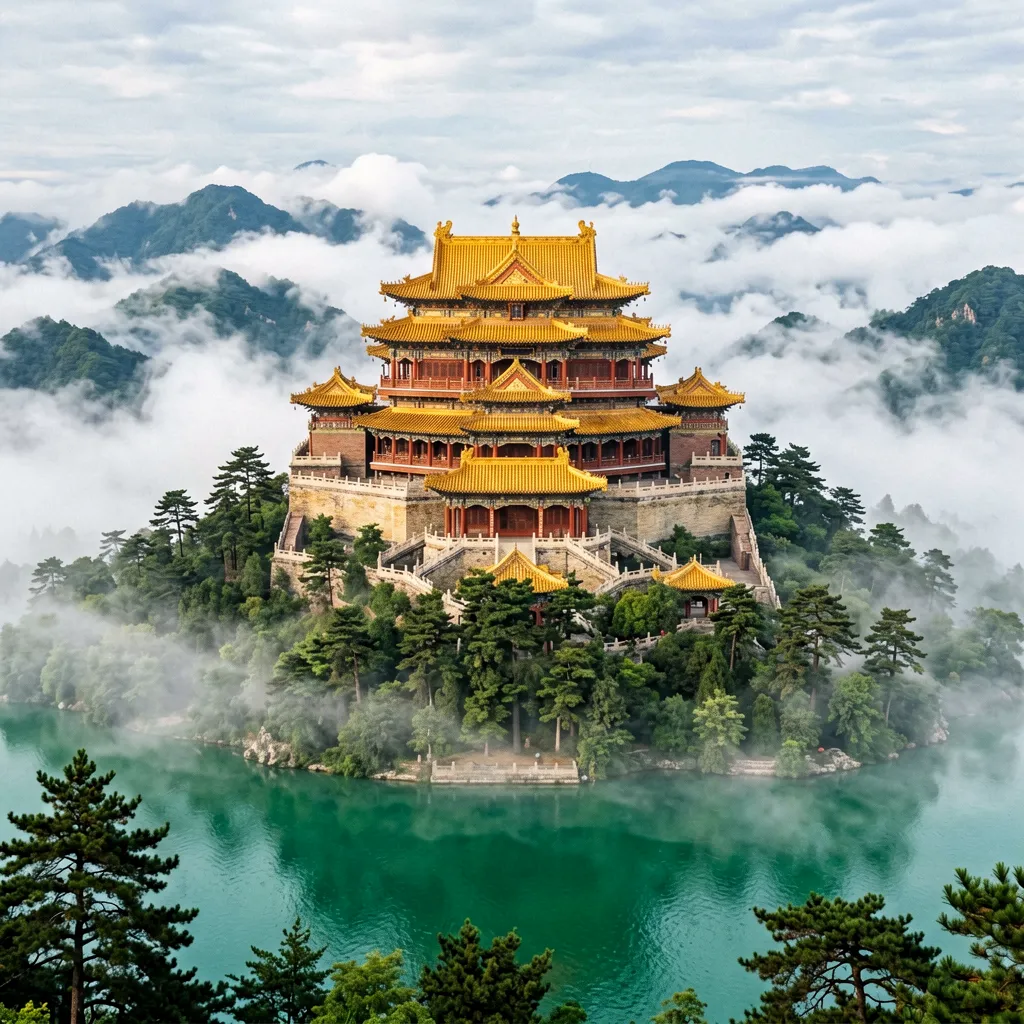
The Tower of Buddhist Incense. This iconic structure within the Summer Palace stands at the center of Longevity Hill's front slope, overlooking Kunming Lake. Perched atop a white marble platform, this octagonal pavilion rises majestically, embodying the finest essence of Qing Dynasty imperial gardens. Once housing Buddhist statues, the architecture blends Han and Tibetan styles, featuring sweeping eaves, upturned corners, and glazed tile roofing that exudes grandeur. From the tower, panoramic views of the lake, mountains, and surrounding pavilions unfold—a true masterpiece of classical Chinese garden art. Its architectural craftsmanship and historical depth hold significant value for studying Qing imperial religious beliefs and garden construction.

Long Corridor

Sight 2

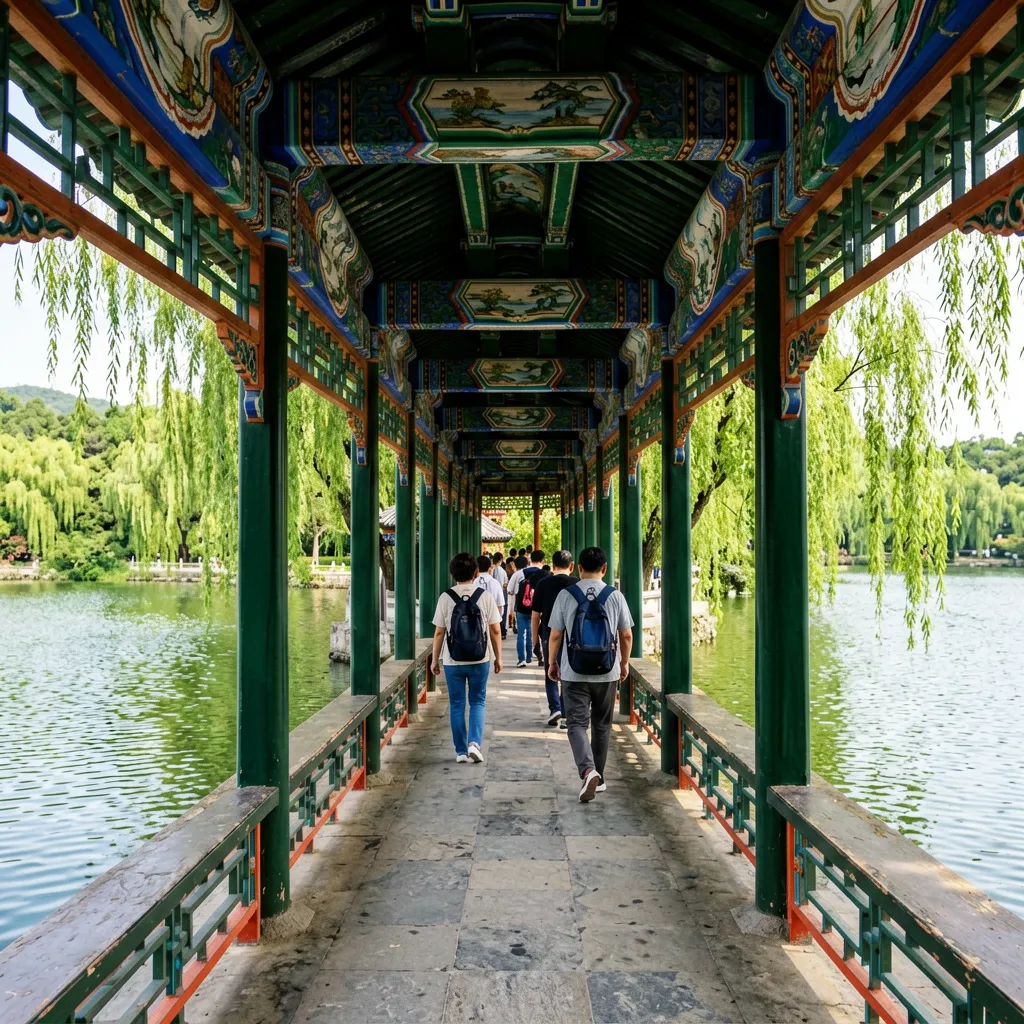
Long Corridor

长廊

Kunming Lake

Sight 3

Kunming Lake

昆明湖

Kunming Lake. Kunming Lake is the main body of water in the Summer Palace, covering approximately three-quarters of the entire garden. Modeled after West Lake in Hangzhou, it once served as a reservoir and a training ground for the imperial navy during the Qing Dynasty. The lake stretches out in vast, shimmering expanses, with views westward toward Jade Spring Hill and the peaks of the Western Hills. Scattered across the lake are scenic highlights such as South Lake Island, the Seventeen-Arch Bridge, and the Dragon Boat. In winter, visitors can enjoy ice skating; in summer, they can go boating, with the scenery varying beautifully across the seasons. The Long Corridor and the pavilions of Longevity Hill are reflected in the water along the shore, making this an exceptional spot to appreciate the art of water management in classical Chinese gardens. Visitors can take a leisurely stroll along the lakeside or enjoy a boat ride to take in the tranquility and grandeur of this imperial garden.

Seventeen-Arch Bridge

Sight 4

Seventeen-Arch Bridge

十七孔桥

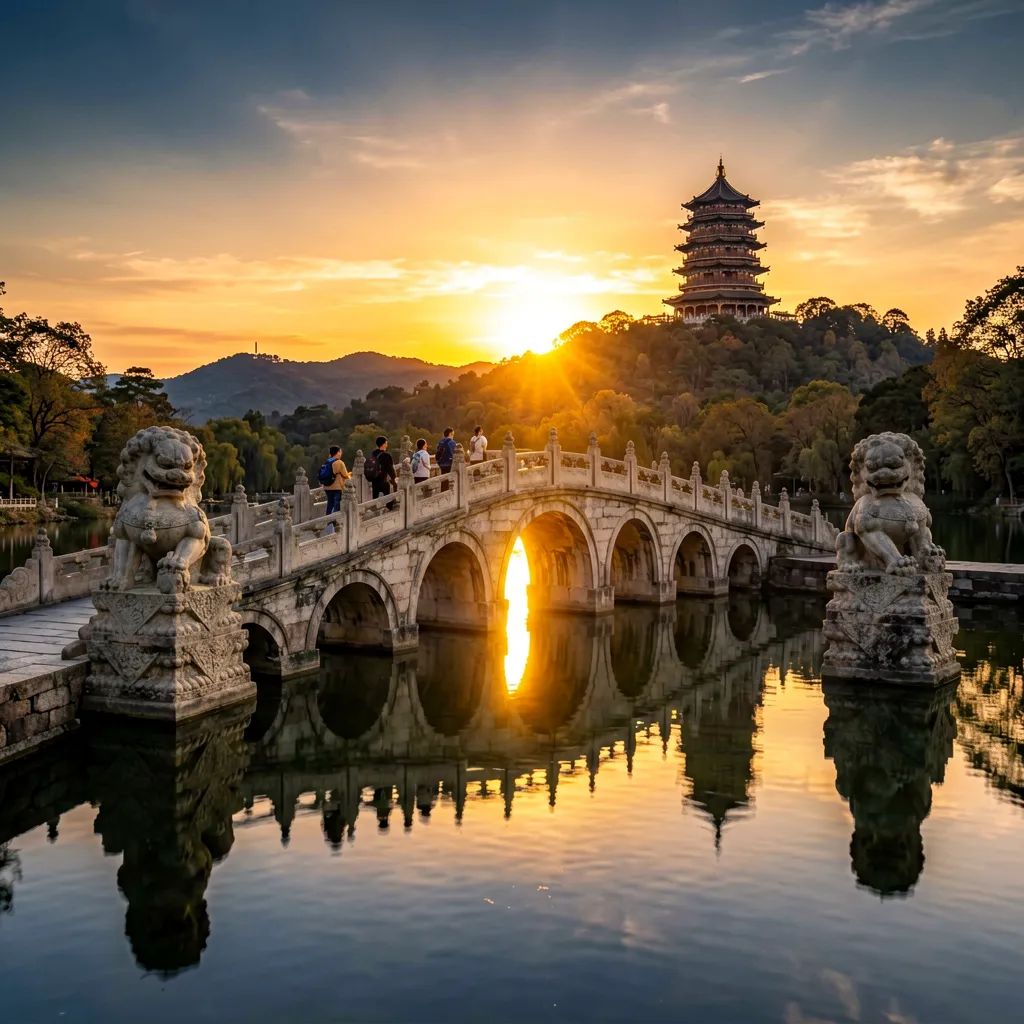
Seventeen-Arch Bridge. The Seventeen-Arch Bridge is the longest stone bridge in the Summer Palace, spanning between the East Bank of Kunming Lake and South Lake Island. The bridge consists of seventeen arches, featuring graceful contours that serve both practical and ornamental purposes. The bridge is adorned with exquisite stone carvings, and the balustrade pillars are carved with stone lions in various poses. Around the Winter Solstice each year, as the sun sets in the west, the bridge arches and their reflections create a spectacular sight known as "Golden Light Piercing the Arches," drawing numerous photography enthusiasts. As a masterpiece of bridge artistry in classical Chinese garden design, it embodies the grandeur and refinement of Qing Dynasty imperial gardens.

Marble Boat

Sight 5

Marble Boat

石舫

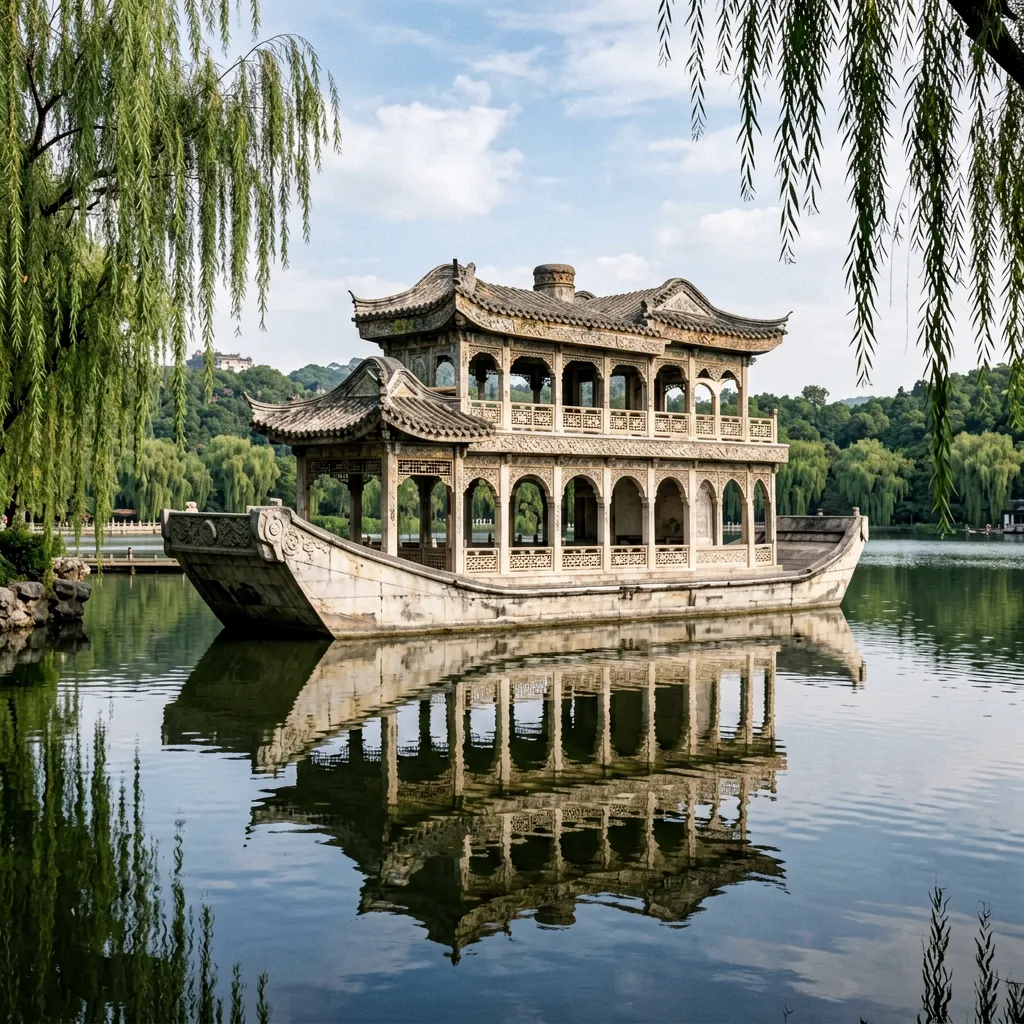
Marble Boat. The Marble Boat, also known as Qingyan Fang, is located on the shore of Kunming Lake in the Summer Palace. It is a grand stone boat built during the Qianlong reign of the Qing Dynasty. The hull is carved from white marble, while the two-story cabin above features a Western architectural style, creating a unique blend of Chinese and Western elements. Originally designed as a scenic vantage point within the imperial garden, visitors aboard could enjoy panoramic views of Longevity Hill and the surrounding lake and mountains. Having weathered centuries of change, the Marble Boat stands to this day as a testament to the exquisite craftsmanship of ancient artisans and a witness to the rise and fall of the Qing imperial gardens. It remains one of the most iconic landmarks in the Summer Palace.

Hall of Dispelling Clouds

Sight 6

Hall of Dispelling Clouds

排云殿

Paiyun Hall (Cloud-Dispelling Hall). Located at the center of the front slope of Longevity Hill in the Summer Palace, Paiyun Hall was the main venue where Empress Dowager Cixi held celebrations and received court officials' tributes. The structure is built against the mountain, presenting a magnificent and imposing presence. The main hall at the center features a double-eaved hip roof covered with yellow glazed tiles that gleam brilliantly under the sunlight. In front of the hall lies a spacious terrace with carved marble balustrades, offering a panoramic view of Kunming Lake. The interior is exquisitely furnished, with ornate painted beams and brackets that exemplify the pinnacle of Qing dynasty imperial garden architecture. Visitors here can experience the opulence of imperial life and sense the profound weight of history.

Suzhou Street

Sight 7

Suzhou Street

苏州街

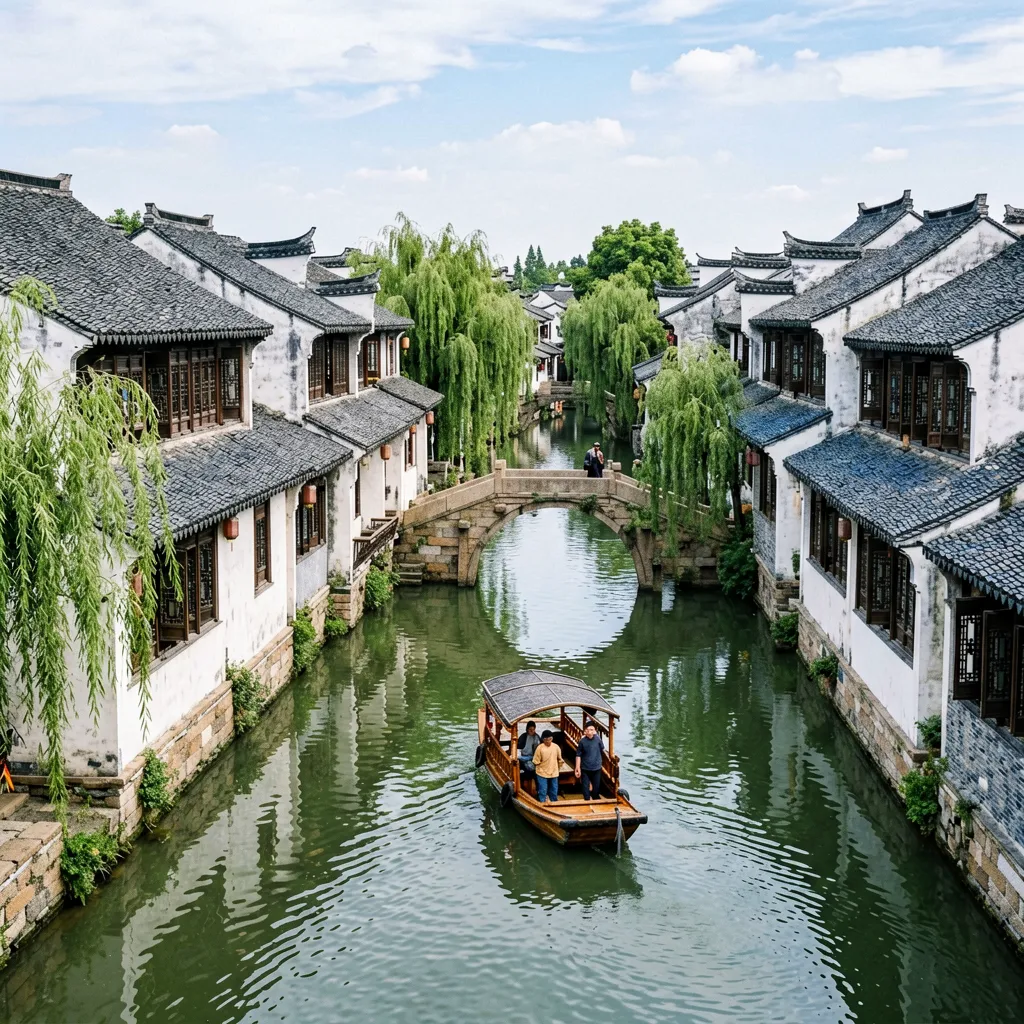
Suzhou Street. Located within the Summer Palace, Suzhou Street is a shopping street modeled after the water towns of Jiangnan (south of the Yangtze River). Built along the Rear Lake River, it is lined with shops and stalls, recreating the bustling scene of imperial commercial quarters during the Qianlong era. Visitors can explore the area by boat or on foot, admiring the small bridges, flowing water, and time-honored architecture while experiencing the charm of an emperor's market stroll. This spot is not only ideal for photography but also offers a unique glimpse into the seamless blend of classical Chinese garden design and traditional market culture.

Garden of Virtue and Harmony

Sight 8

Garden of Virtue and Harmony

德和园

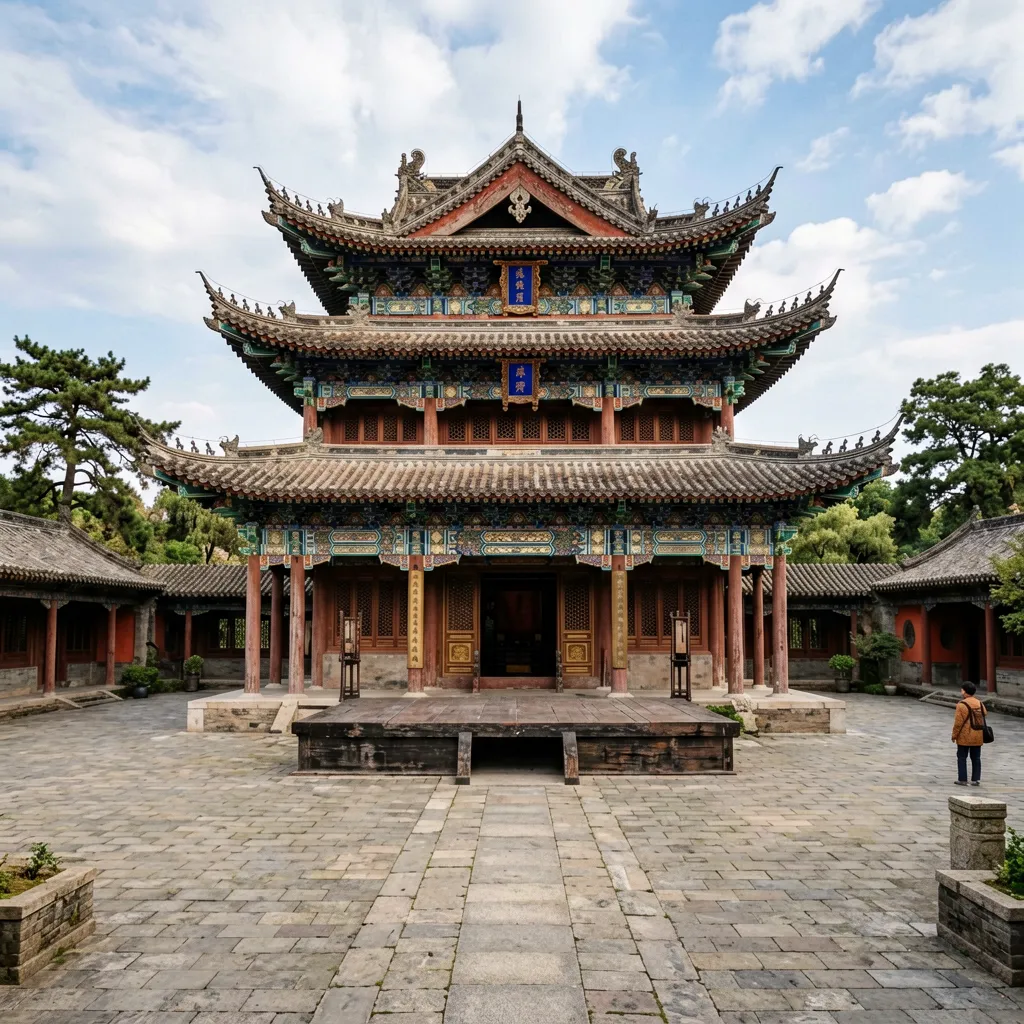
De He Yuan (Garden of Virtue and Harmony). De He Yuan is a theater built specifically for Empress Dowager Cixi within the Summer Palace, celebrated as the "Royal Opera Hall of the Late Qing Dynasty." The three-story Grand Opera Stage inside rises over twenty meters and is equipped with ingenious mechanisms capable of staging fantastical scenes such as celestial beings descending to earth or the flooding of Jinshan Mountain, standing as the pinnacle of ancient Chinese theater architecture. Visitors today can still enjoy traditional Peking Opera performances here, experiencing the beauty of melody within the imperial garden. Its exquisite painted decorations and carvings offer an exceptional window into the court entertainment culture and architectural artistry of the Qing Dynasty.