Tiger Hill

Heritage · 江苏省 · 虎丘

Tiger Hill

Suzhou

Tiger Hill · ChinaMazing

Discover

Core Sights

The essential sights — what they are, and when to go.

Tiger Hill Pagoda

Sight 1

Tiger Hill Pagoda

虎丘塔

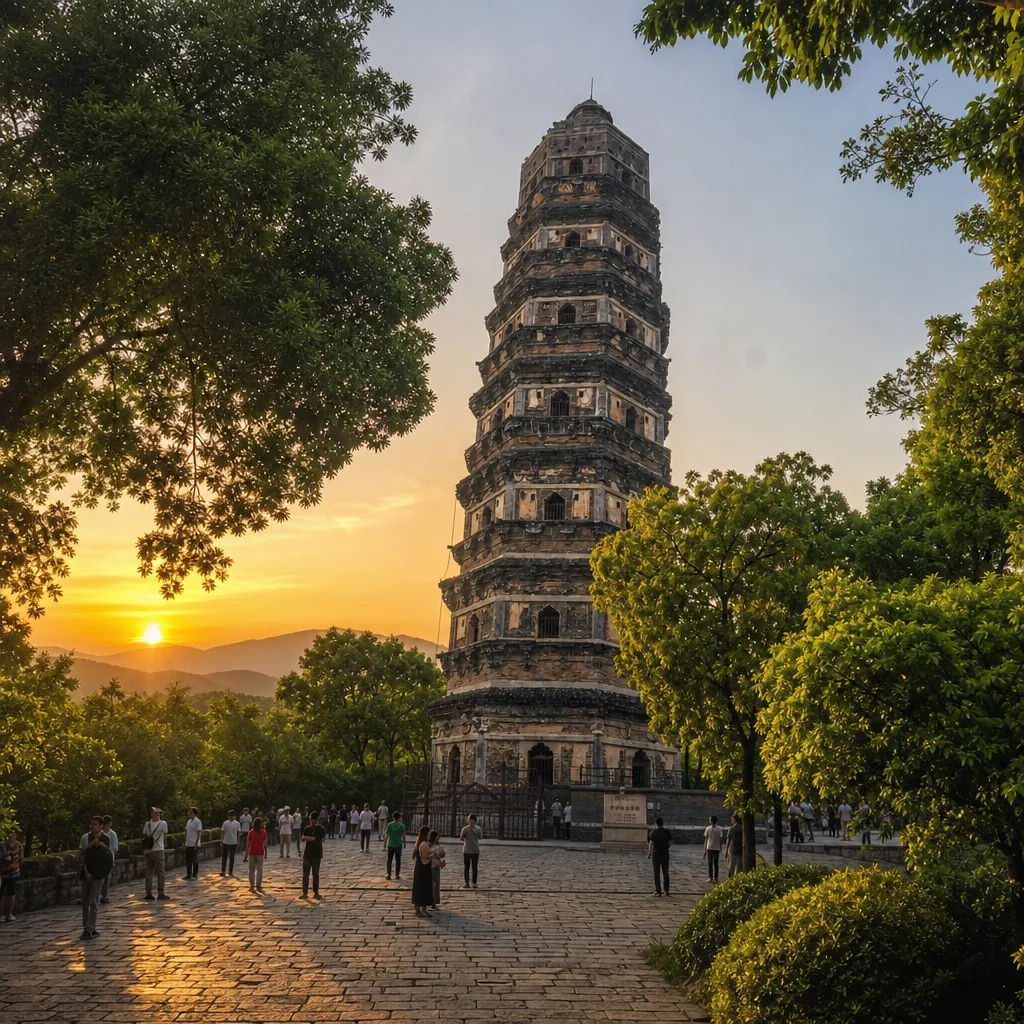
The Tiger Hill Pagoda. As the iconic landmark of Tiger Hill in Suzhou, the pagoda was first built during the Five Dynasties period and completed in the Northern Song Dynasty. It is an octagonal, seven-story brick tower. After over a thousand years of wind and rain, the tower body has tilted slightly, earning it the nickname of the "Leaning Tower of the East," drawing countless visitors to pause and admire it. Ascending Tiger Hill, visitors can see the pagoda's reflection shimmering in the clear waters of the Sword Pool, while also appreciating the intricate brick carvings and the structural beauty of the tower, marveling at the superb craftsmanship of ancient Chinese architecture. This is an exceptional spot for photography, nostalgic reflection, and savoring the charm of Jiangnan.
Sword Pool

Sight 2

Sword Pool

剑池

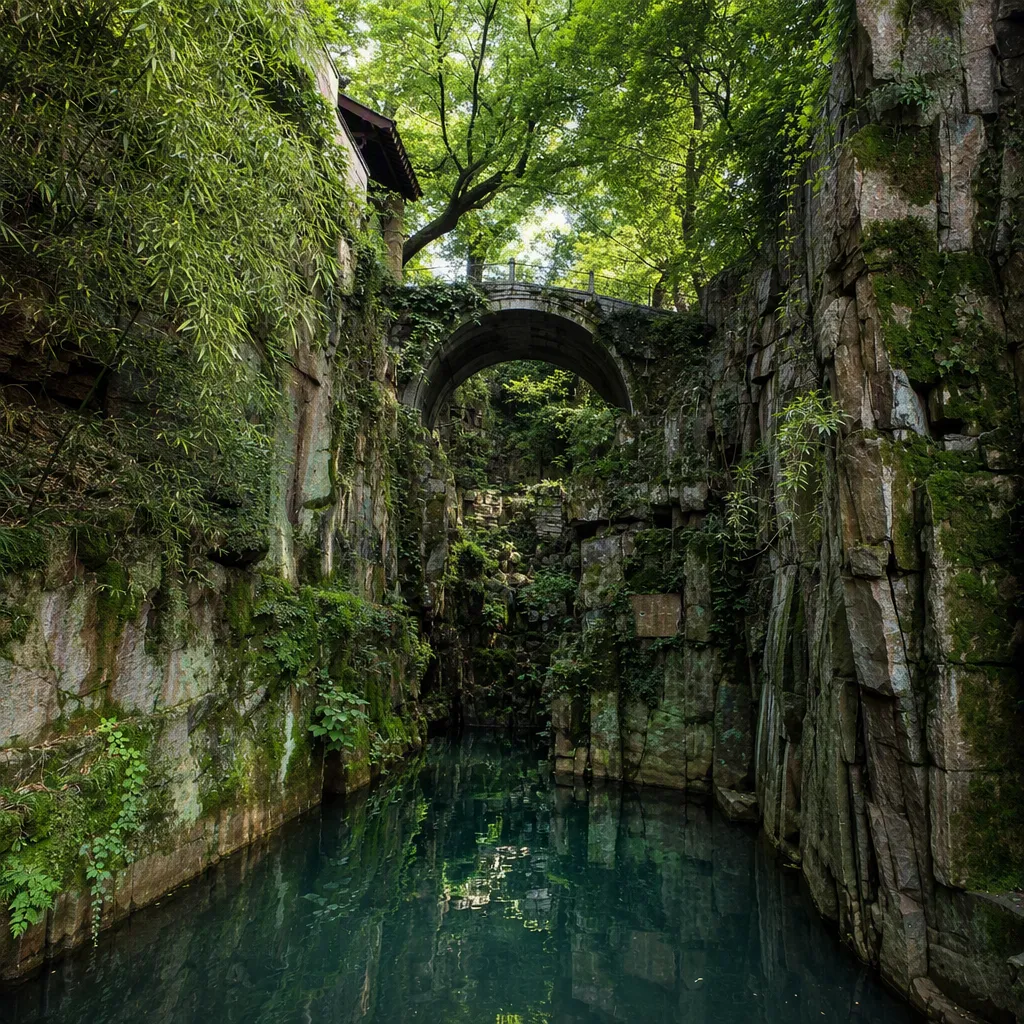
The Sword Pool is the most legendary attraction at Tiger Hill. According to legend, King Helü of Wu was buried here, accompanied by three thousand swords as burial offerings. The pool water is deep, tranquil, and serene, with the characters "剑池" (Sword Pool) carved on the surrounding cliff walls by the Tang Dynasty calligrapher Yan Zhenqing, their strokes vigorous and powerful. Blending historical legend with natural wonder, this is a must-visit spot to experience the mystique of Wu culture.

Thousand-Person Rock

Sight 3

Thousand-Person Rock

千人石

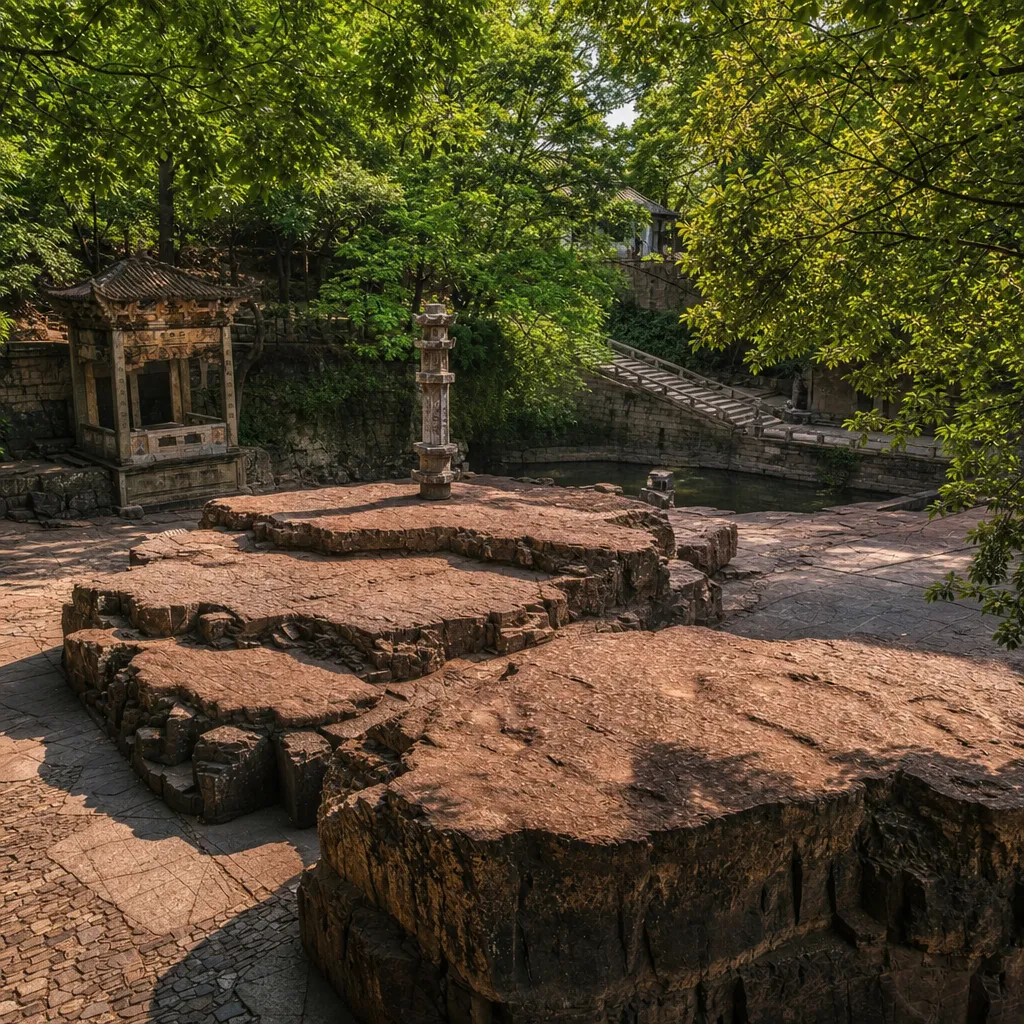
The Thousand-Man Rock. This is a massive natural boulder within the Tiger Hill scenic area, so expansive that it can accommodate a thousand people, hence its name. Legend has it that after King Helü of Wu was buried, his son Fuchai silenced a thousand craftsmen on this very rock, and their blood seeped into the stone, leaving it with a dark reddish hue to this day. The rock bears inscriptions by literati from various dynasties, forming one of the rare giant cliff-carving clusters south of the Yangtze River. Visitors can pause here to experience the blend of historical legend and natural wonder.

Sword Testing Stone

Sight 4

Sword Testing Stone

试剑石

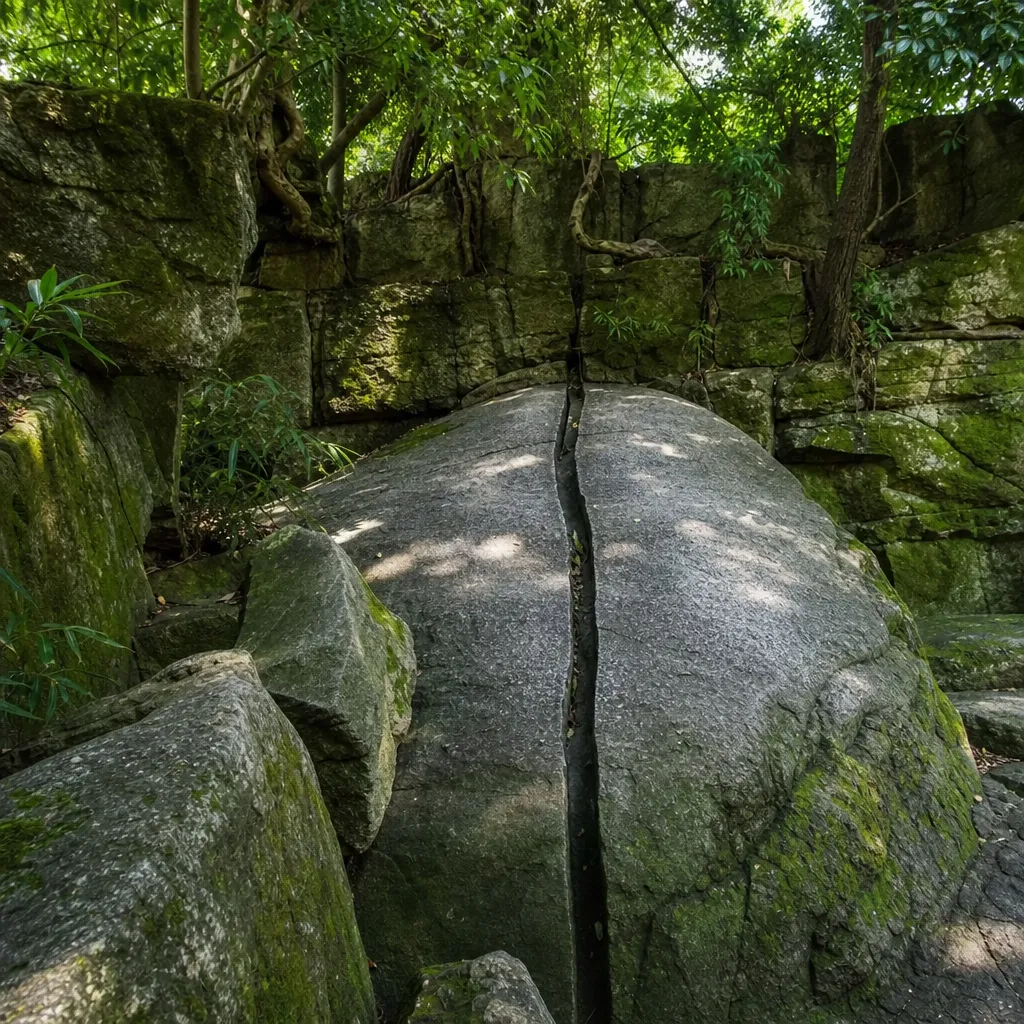
Sword Testing Stone. Located within the Tiger Hill scenic area, the Sword Testing Stone is a massive boulder split cleanly from the middle, its fissure as straight as if carved by an axe or blade. According to legend, during the Spring and Autumn Period, the master swordsmiths Ganjiang and Moye forged swords here for King Helü of Wu. Upon completion, they tested the blade by striking the stone, splitting it apart with a single blow. The crack on the stone remains smooth and perfectly straight, a sight that inspires awe. This is not only a natural wonder but also a tangible testament to the legendary sword-making heritage of the Wu region. Visitors can pause here to marvel at the sharpness and timeless legend of an ancient blade.

Zhenniang Tomb

Sight 5

Zhenniang Tomb

真娘墓

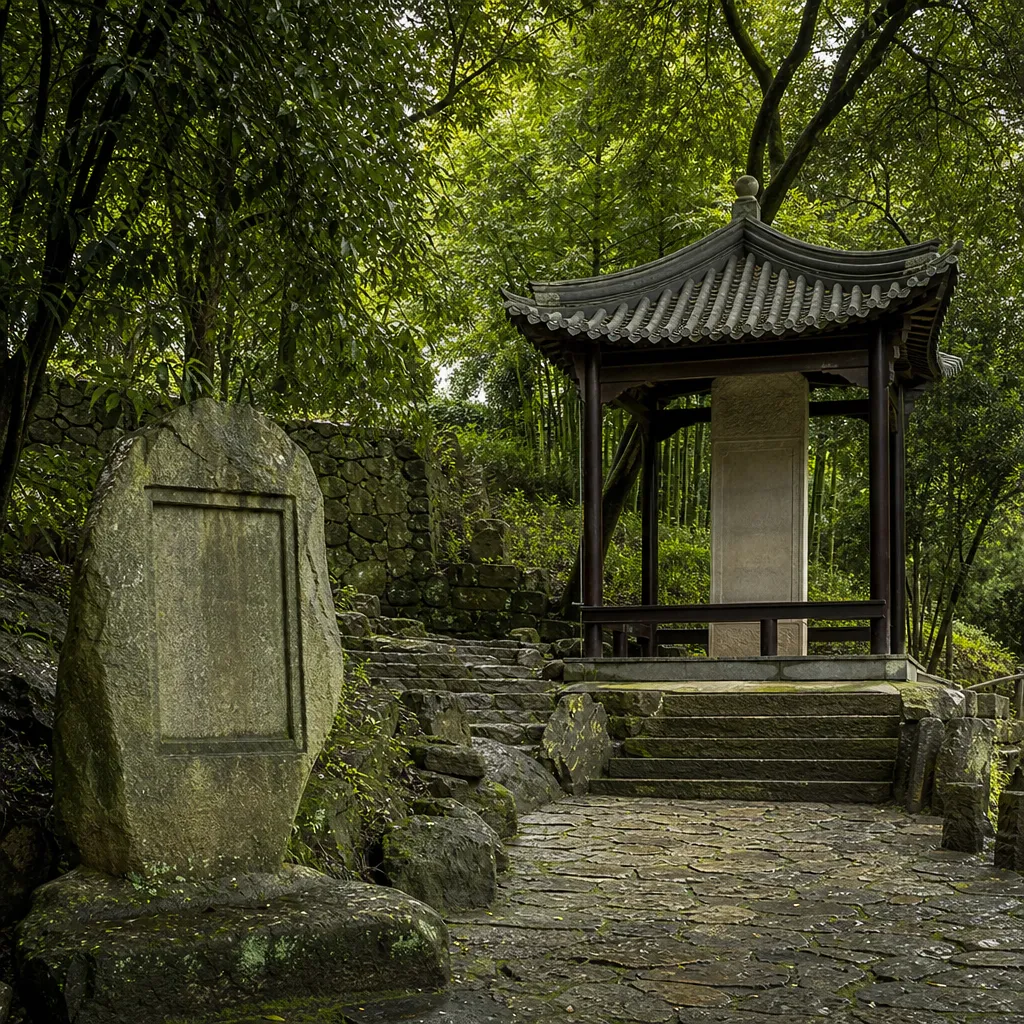
Zhenniang Tomb. Located at the foot of Tiger Hill, Zhenniang Tomb is a memorial site built in honor of Zhenniang, a celebrated courtesan of Suzhou during the Tang Dynasty. Legend has it that Zhenniang was endowed with both beauty and talent, but unfortunately fell into a life of servitude. To preserve her chastity, she took her own life. Later generations, moved by her integrity, erected a tomb and a stele in her memory. Flowers are often planted around the tomb pavilion, earning it the alias "Flower Tomb." This site is not only a tranquil historical relic but also a testament to the steadfast virtue of an ancient woman, offering a unique window into the social customs and humanistic sentiments of the Tang Dynasty. Visitors can soak in the serene atmosphere here and reflect on the joys and sorrows of a thousand years past.

Broken Beam Hall

Sight 6

Broken Beam Hall

断梁殿

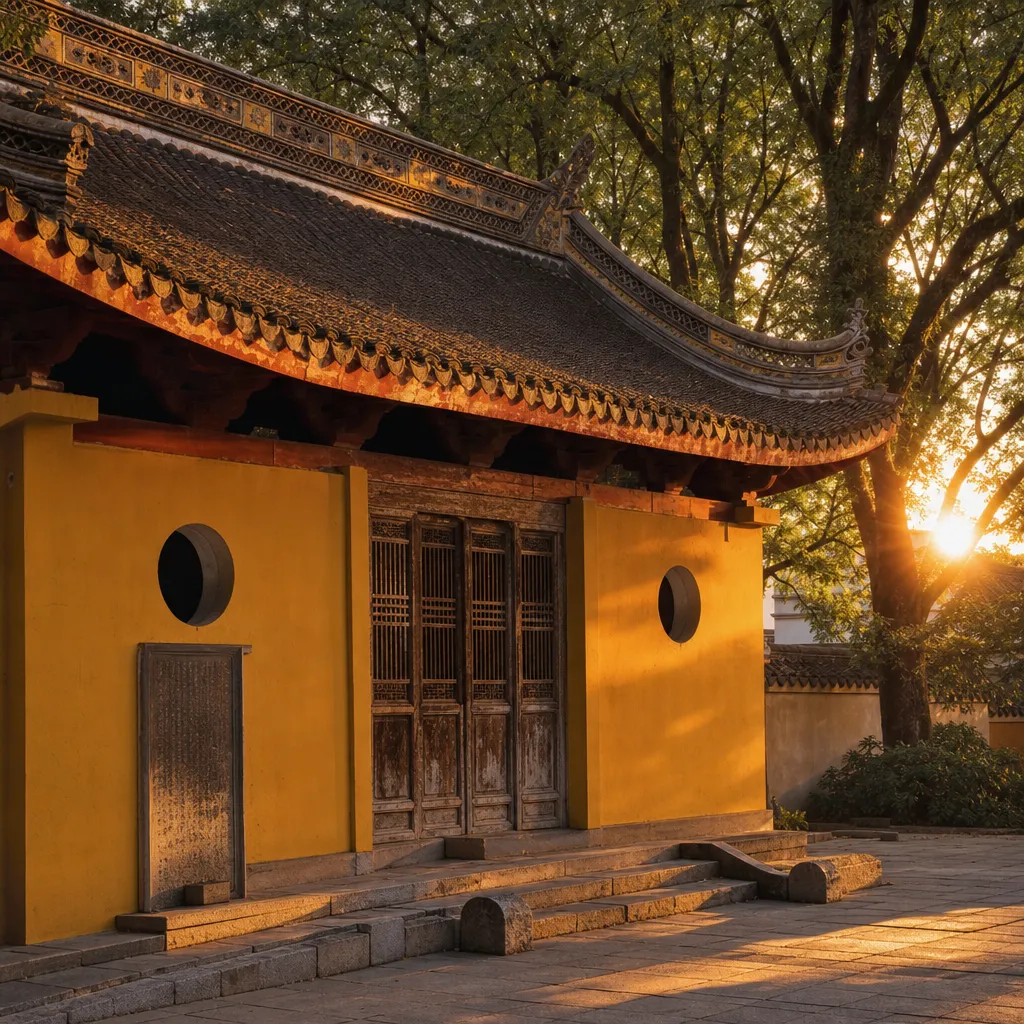
Broken Beam Hall. Broken Beam Hall is the main hall at the entrance of Tiger Hill, first built in the Yuan Dynasty and renowned for its distinctive architectural structure. The main beam inside the hall is not made of a single piece of timber but is pieced together from two wooden beams. Though it appears to be broken, it ingeniously supports the weight of the roof through meticulous mechanical design, remaining steadfast through centuries of wind and rain. This construction technique of "broken beam yet unbroken" showcases the wisdom of ancient craftsmen. With its soaring eaves and upturned corners, the hall exudes an air of antiquity. It is the first significant structure visitors encounter when entering the Tiger Hill scenic area and serves as an excellent window into the ancient architectural art of Jiangnan.