Dujiangyan

Heritage · 四川省 · 都江堰

Dujiangyan

Chengdu

Dujiangyan · ChinaMazing

Discover

Core Sights

The essential sights — what they are, and when to go.

Fish Mouth Water-Dividing Dam

Sight 1

Fish Mouth Water-Dividing Dam

鱼嘴分水堤

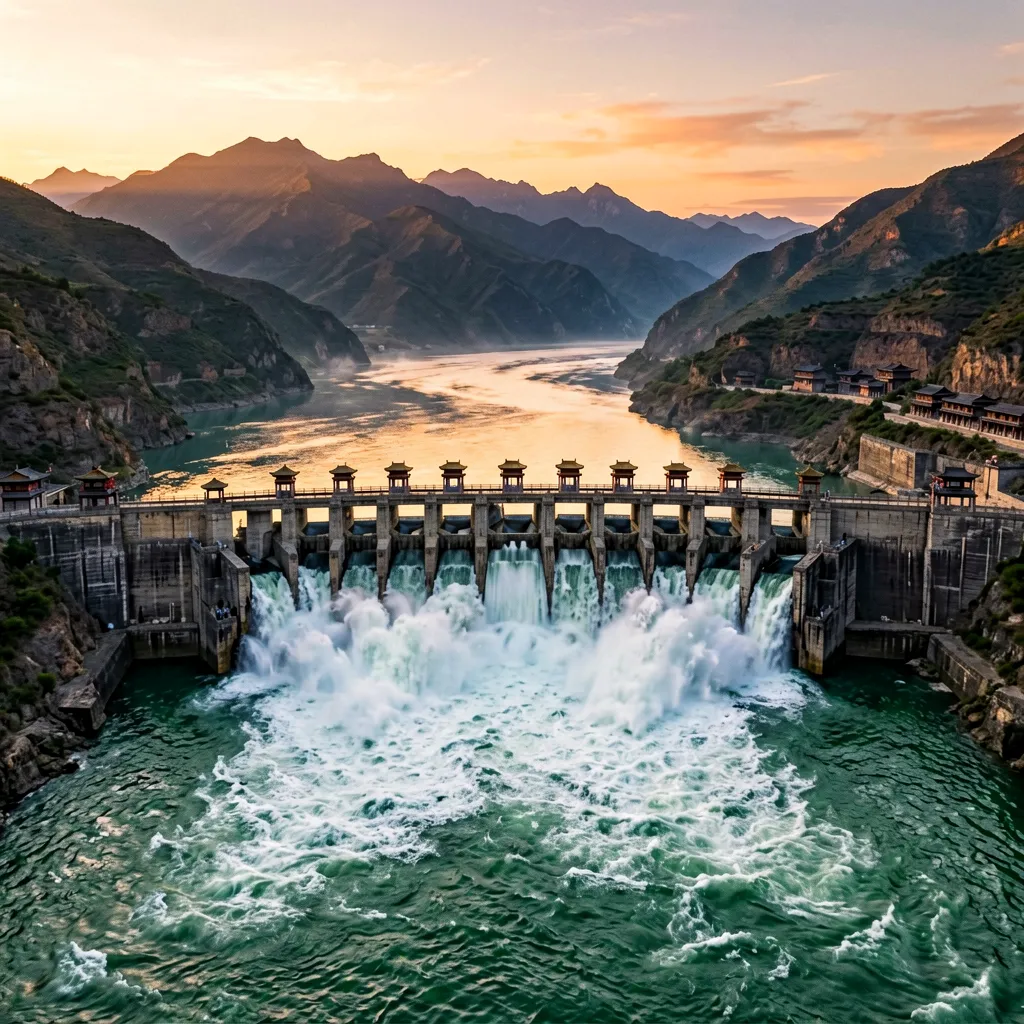
The Fish Mouth Water-Dividing Dam. As the core component of the Dujiangyan Irrigation System, this dam was constructed over 2,000 years ago during the Qin Dynasty and continues to serve its flood-control and irrigation functions to this day. Shaped like a fish's mouth, it ingeniously splits the Min River into the Inner River and the Outer River, achieving a natural regulation of "60/40 water division and 80/20 sediment discharge." Standing on the dam, visitors can see the river diverge at this point—on one side, the clear Inner River flows to irrigate the Chengdu Plain; on the other, the turbid yellow Outer River channels floodwaters and flushes sediment. This design fully embodies the ancient wisdom of working with nature and guiding it according to its tendencies, making it an exceptional site for understanding China's ancient hydraulic engineering.
Flying Sands Weir

Sight 2

Flying Sands Weir

飞沙堰

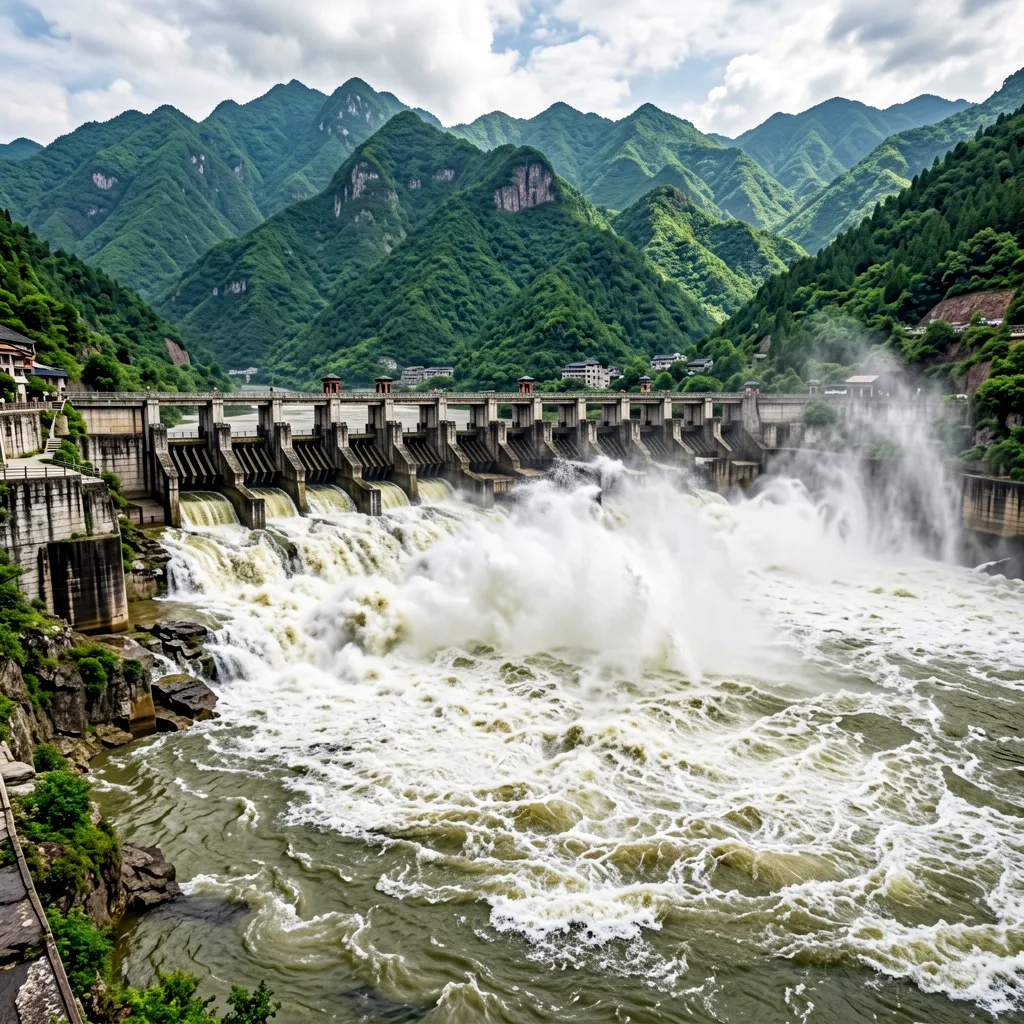
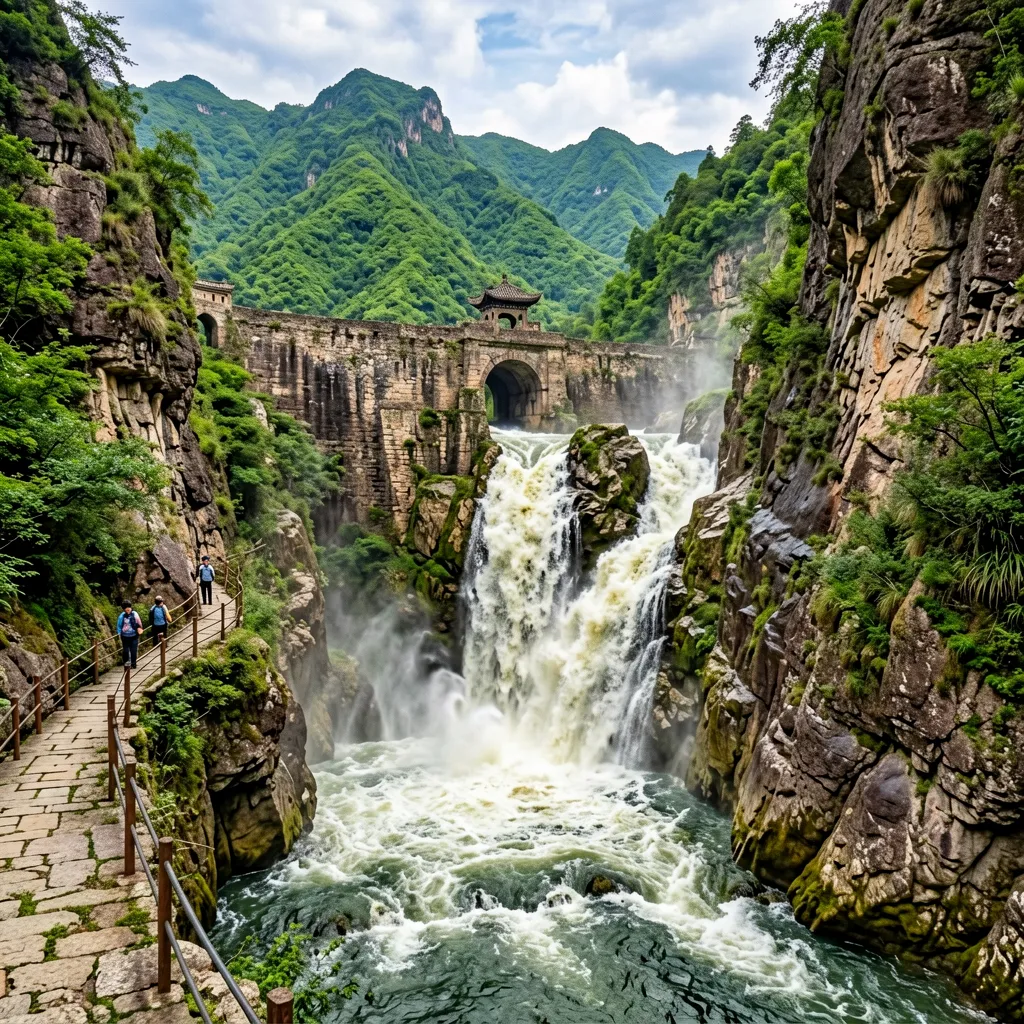
Feisha Weir (Flying Sand Weir). The Flying Sand Weir is a key flood discharge and sediment control facility of the Dujiangyan Water Conservancy Project, located between Yuzui (Fish Mouth) and Baopingkou (Bottle Neck Channel). It ingeniously utilizes the principle of curved-channel circulation to automatically divert sediment and excess water from upstream into the outer river, ensuring the smooth and unobstructed flow of the inner river irrigation channels. During the dry season, the Flying Sand Weir naturally holds back water into Baopingkou, guaranteeing water supply for the Chengdu Plain; during flood season, it discharges floodwater to protect the safety of the project. Visitors can observe the ingenious design of the weir and appreciate the water management wisdom of Li Bing and his son from over 2,000 years ago.

Bottle Neck Channel

Sight 3

Bottle Neck Channel

宝瓶口

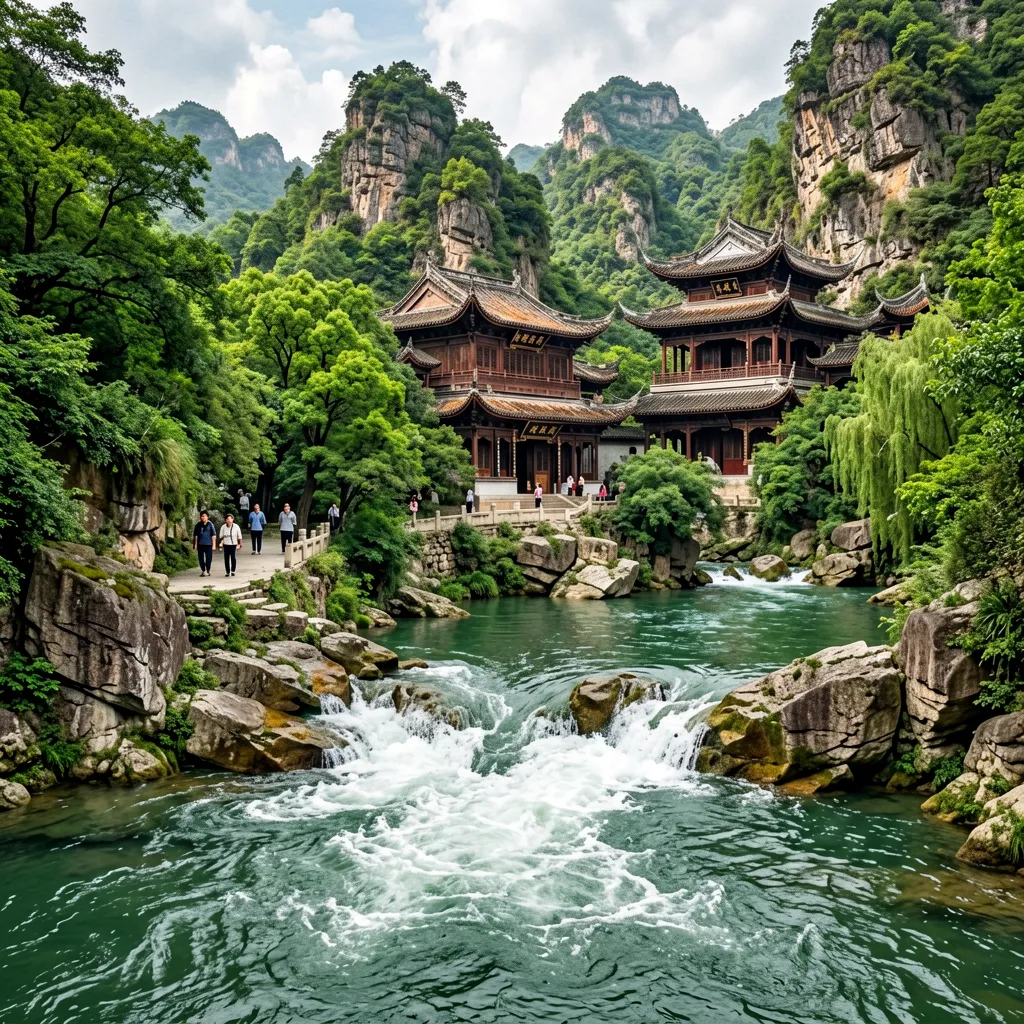
The Bottle Neck. The Bottle Neck is the vital throat of the Dujiangyan irrigation system, a narrow waterway chiseled through Yulei Mountain over 2,000 years ago by Li Bing and his son, who led the local people in the task. Shaped like a bottle neck, it masterfully regulates the water flow entering the Chengdu Plain, serving both flood control and irrigation—a testament to the ancient wisdom of working with nature. Today, you can stand atop Lidui and gaze down at the surging turquoise waters as they rush past, feeling the millennia-old pulse of this World Cultural Heritage site.

Two Kings Temple

Sight 4

Two Kings Temple

二王庙

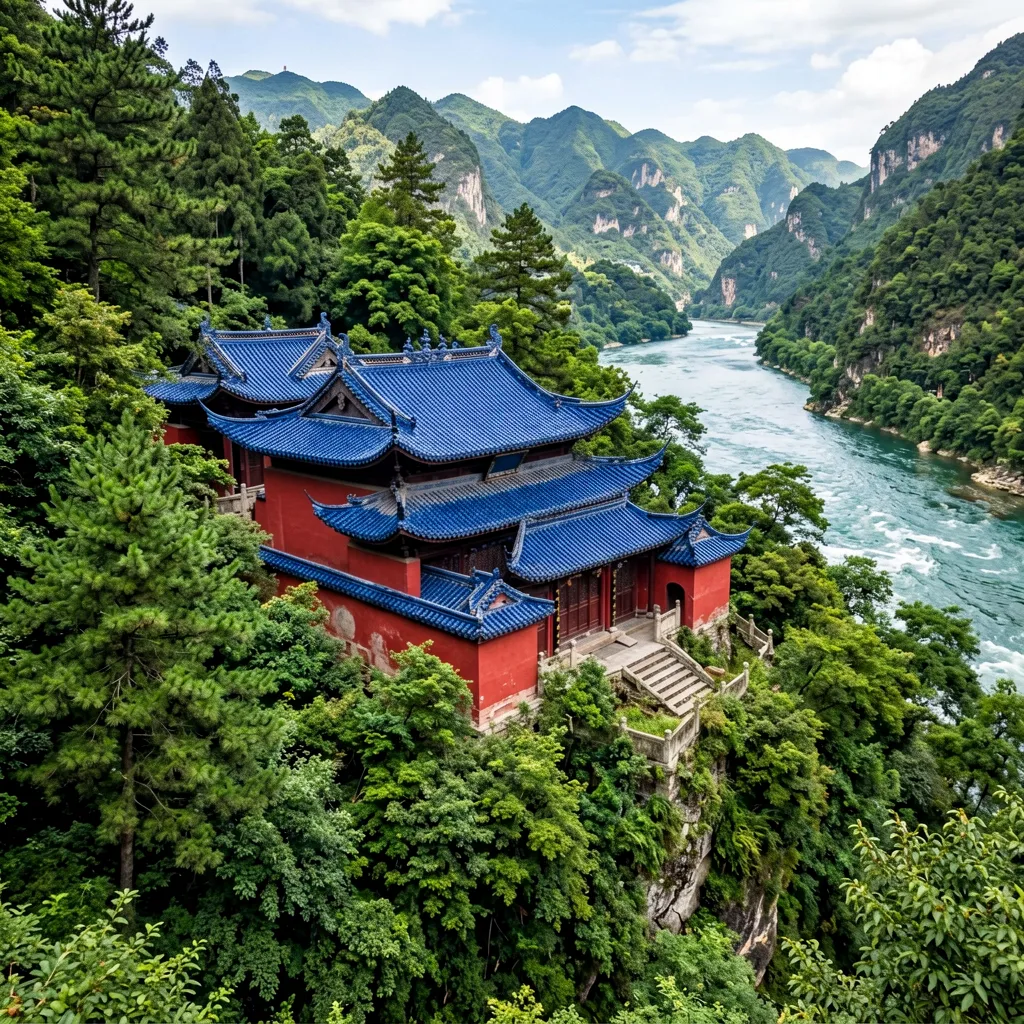
Erwang Temple (Temple of Two Kings). Located within the Dujiangyan Scenic Area, Erwang Temple is a shrine dedicated to the memory of Li Bing and his son for their extraordinary achievements in flood control. The architecture follows the natural contours of the mountain, ascending tier by tier, nestled among ancient trees with majestic halls towering above. Within the temple, a wealth of stone inscriptions bearing maxims on water management from successive dynasties and literary tributes by scholars are preserved, reflecting the wisdom and reverence of ancient people for hydraulic engineering. Ascending to this site, visitors can both pay homage to the sages of old and take in a panoramic view of the magnificent Dujiangyan irrigation system, feeling the historical resonance that echoes across two millennia.

Anlan Suspension Bridge

Sight 5

Anlan Suspension Bridge

安澜索桥

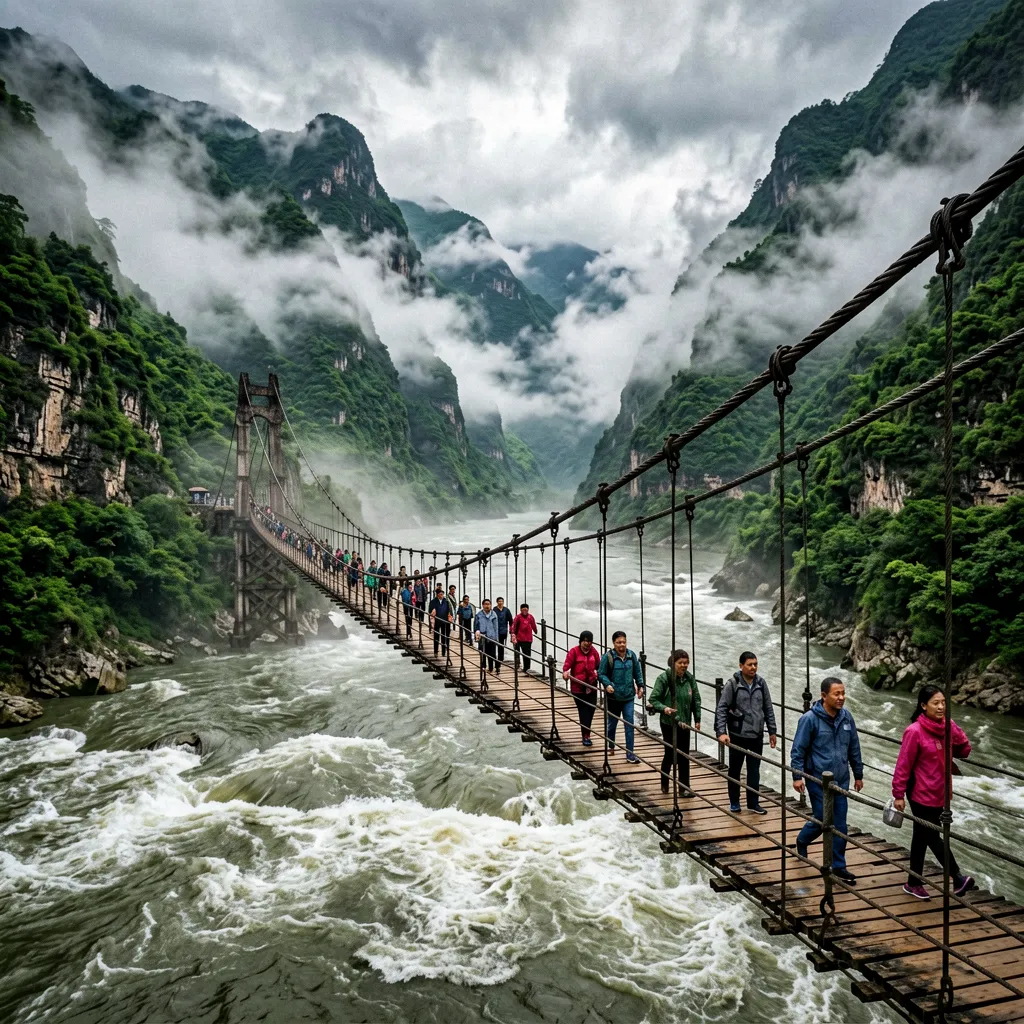
Anlan Suspension Bridge. Stretching across the inner river of the Minjiang River, the Anlan Suspension Bridge is an indispensable ancient bridge of the Dujiangyan irrigation system, renowned as one of "China's Five Great Ancient Bridges." Built with bamboo cables and wooden stakes, the bridge spans approximately 240 meters. Walking across it, visitors can overlook the surging river and the remarkable Yuzui (Fish Mouth) water-dividing scene, gaining insight into the wisdom of ancient water management and the grandeur of the engineering feat. The name "Anlan" signifies calm rivers and the cessation of floods, embodying a thousand years of blessings. Crossing the bridge leads to historic sites such as Erwang Temple, making it a quintessential destination to experience the blend of western Sichuan's culture and natural beauty.

Lidui Park

Sight 6

Lidui Park

离堆公园

Lidui Park. Located within the Dujiangyan Scenic Area, Lidui Park is home to the artificially excavated Lidui rock, a key component of the ancient water conservancy project. The park features towering ancient trees and elegantly arranged pavilions, offering visitors close-up views of historical sites such as Fulong Temple and Baopingkou (Bottle-Neck Channel), as well as panoramic vistas of Yulei Mountain and the Min River. As a core part of the Dujiangyan irrigation system, this park embodies the ancient wisdom of harmonious coexistence between humans and nature, making it an ideal destination for understanding China's ancient water engineering and garden culture.

Fulong Temple

Sight 7

Fulong Temple

伏龙观

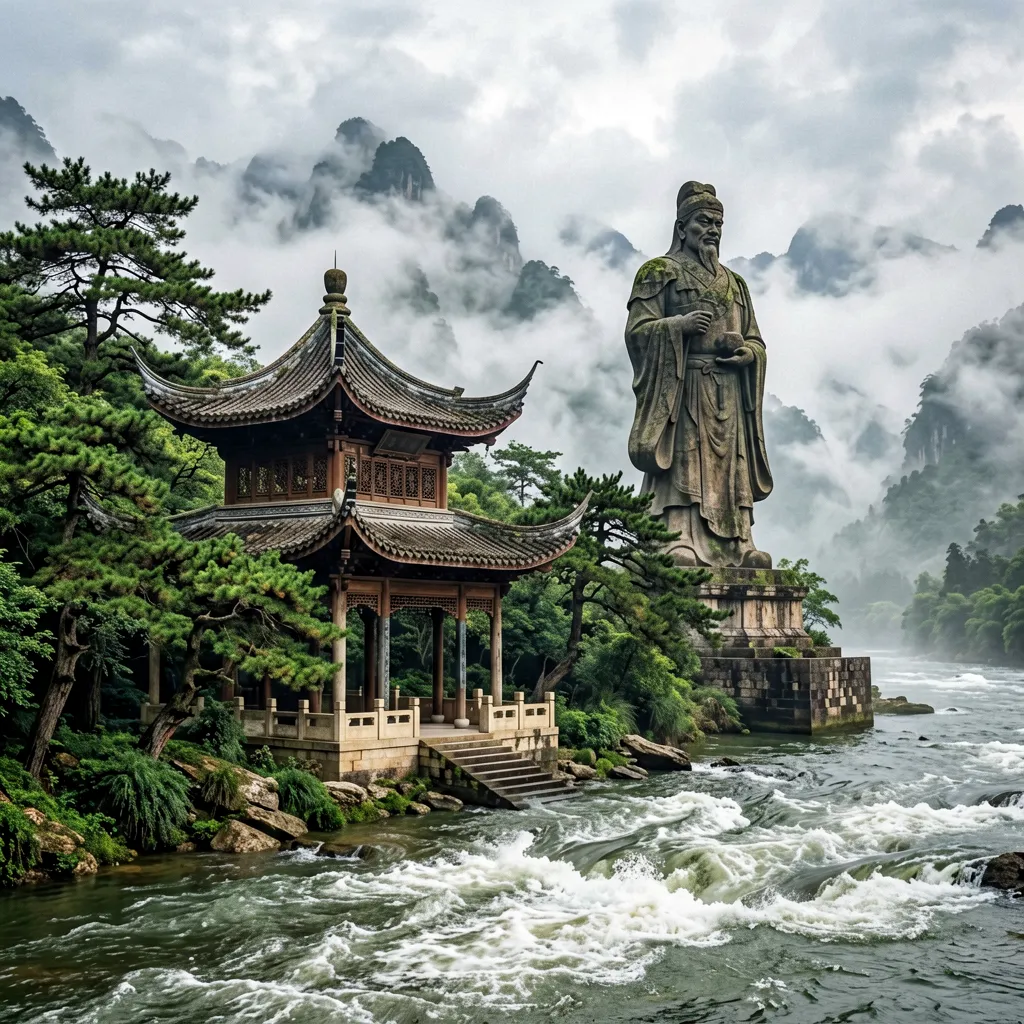
Fulong Temple (Temple of the Subdued Dragon). Located atop Lidui Rock in Dujiangyan, with Yulei Mountain at its back and facing the Min River, Fulong Temple is a renowned Taoist temple commemorating Li Bing and his son. According to legend, this is where Li Bing subdued a flood dragon during his water management efforts, hence the name "Fulong" (Subduing the Dragon). The temple houses precious cultural relics, including a stone statue of Li Bing carved in the Eastern Han Dynasty and the Feilong Tripod (Flying Dragon Tripod) from the Tang Dynasty. From the platform in front of the temple, visitors can take in a panoramic view of the Dujiangyan irrigation system, marvel at the magnificent sights of Baopingkou (Bottle-Neck Channel) and Feisha Weir (Flying Sand Weir), and appreciate the wisdom and boldness of the ancients in taming the river.