
Li River

Nature · Guangxi · 漓江

Li River

Guilin

Li River · ChinaMazing

Discover

Core Sights

The essential sights — what they are, and when to go.

Nine Horses Hill

Sight 1

Nine Horses Hill

九马画山

Nine Horses Fresco Hill. This is a massive natural mural along the banks of the Li River, where stone patterns and creeping vines intertwine on the cliff face to form the shapes of nine horses—some standing, some lying, now visible, now hidden. A local folk rhyme says, "Spot seven horses and you'll pass the imperial exam; spot nine and you'll rank top scholar." As the boat glides along the river, the horses seem to shift and transform with every change in perspective, captivating all who behold them. This is a signature landmark along the most scenic stretch of the Li River, and an outstanding spot for photography enthusiasts.

Yellow Cloth Reflection

Sight 2

Yellow Cloth Reflection

黄布倒影

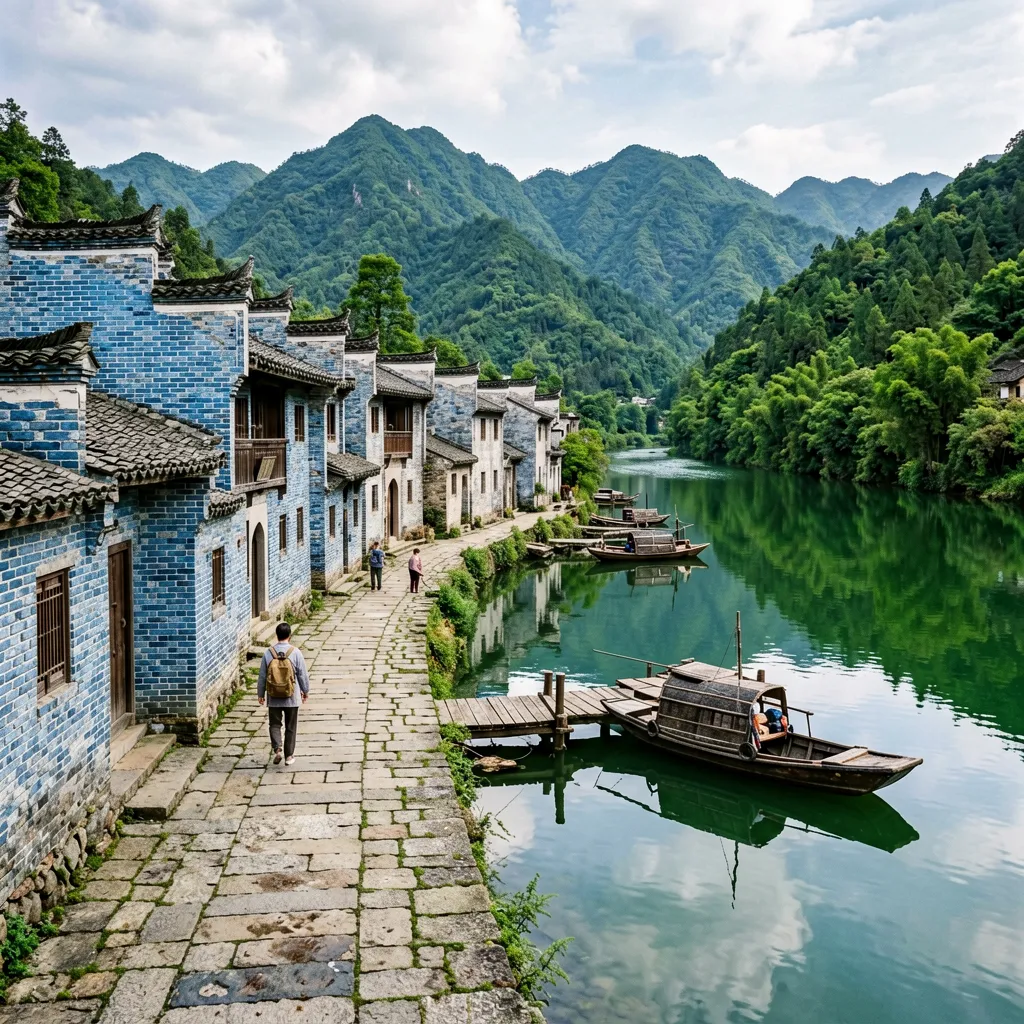
Yellow Cloth Reflection. The Yellow Cloth Reflection is a marvel along the most scenic stretch of the Li River, named for the yellow rocks on the riverbed that spread out like a bolt of yellow cloth. Here, the river widens and flows gently, flanked by verdant peaks whose reflections shimmer in the water with mirror-like clarity, blending mountains and water into one—a sight hailed as “the finest viewpoint on the Li River.” On clear days, the peaks are reflected so vividly that reality and illusion blur, evoking the poetic imagery: “Clearly I see the green mountaintops, yet my boat sails above their peaks.” The scene also adorns the backdrop of the 20-yuan RMB note, making it a must-visit spot for photographers and those seeking to savor the ethereal beauty of the Li River.

Xingping Ancient Town

Sight 3

Xingping Ancient Town

兴坪古镇

Yangdi

Sight 4

Yangdi

杨堤

Yangdi. Yangdi lies at the heart of the Li River’s scenic stretch, renowned for its scroll-like karst landscapes. Here, the river widens, flanked by layered green peaks whose reflections shimmer like mirrors, making it the classic starting point for bamboo raft or cruise excursions to savor the essence of the Li River. Along the way, iconic sights such as Nine Horses Fresco Hill and the Yellow Cloth Reflection unfold before you, with scenery shifting across the seasons—most evocative under misty rain, when the view turns into a living ink painting. As a meeting point of fishing villages and pastoral charm, Yangdi retains an unpretentious riverside way of life, ideal for hikers and photographers seeking a deeper experience. There is no fixed admission fee here, and boat prices fluctuate with the season—it’s advisable to inquire about local tour arrangements in advance.

Langshi Scenery

Sight 5

Langshi Scenery

浪石风光

Langshi Scenery. The Langshi Scenery is a remarkable sight along the essence section of the Li River, where verdant peaks rise on both banks and the river stretches wide and gentle. Beneath the water surface, reefs undulate, and the current, meeting the rocks, stirs layers of white waves that blossom like silver flowers, giving rise to the name "Langshi" (Wave Rock). Gliding past on a bamboo raft or a cruise boat, one can see the mountains and waters reflected like a painting, with fishing villages dotting the shores. The scenery varies with the seasons, and is at its most enchanting when shrouded in mist and drizzle. Here, there is no bustle—only nature and tranquility—making it an ideal place to experience the beauty of the Li River's landscapes.

20-Yuan Banknote View

Sight 6

20-Yuan Banknote View

20元人民币背景

The 20-Yuan RMB Note Scenic View. This is the location featured on the back of the fifth series 20-yuan banknote, situated in the Xingping section of the Li River. Karst peaks mirror themselves in the emerald waters, while fishermen and bamboo rafts add the finishing touches to a classic Chinese landscape painting. Visitors can take a bamboo raft ride or hike to higher ground for a panoramic view, experiencing the poetic sentiment of "sailing on the river, wandering through a painting." During early morning mist or at dusk, the interplay of light and shadow is especially captivating, making it a popular spot for photos. Nearby, you can also explore ancient fishing villages and clusters of phoenix bamboo along the way.

Eat

Local Eats

The local dishes worth crossing town for.

Guilin Rice Noodles
Eat 1

Guilin Rice Noodles

桂林米粉

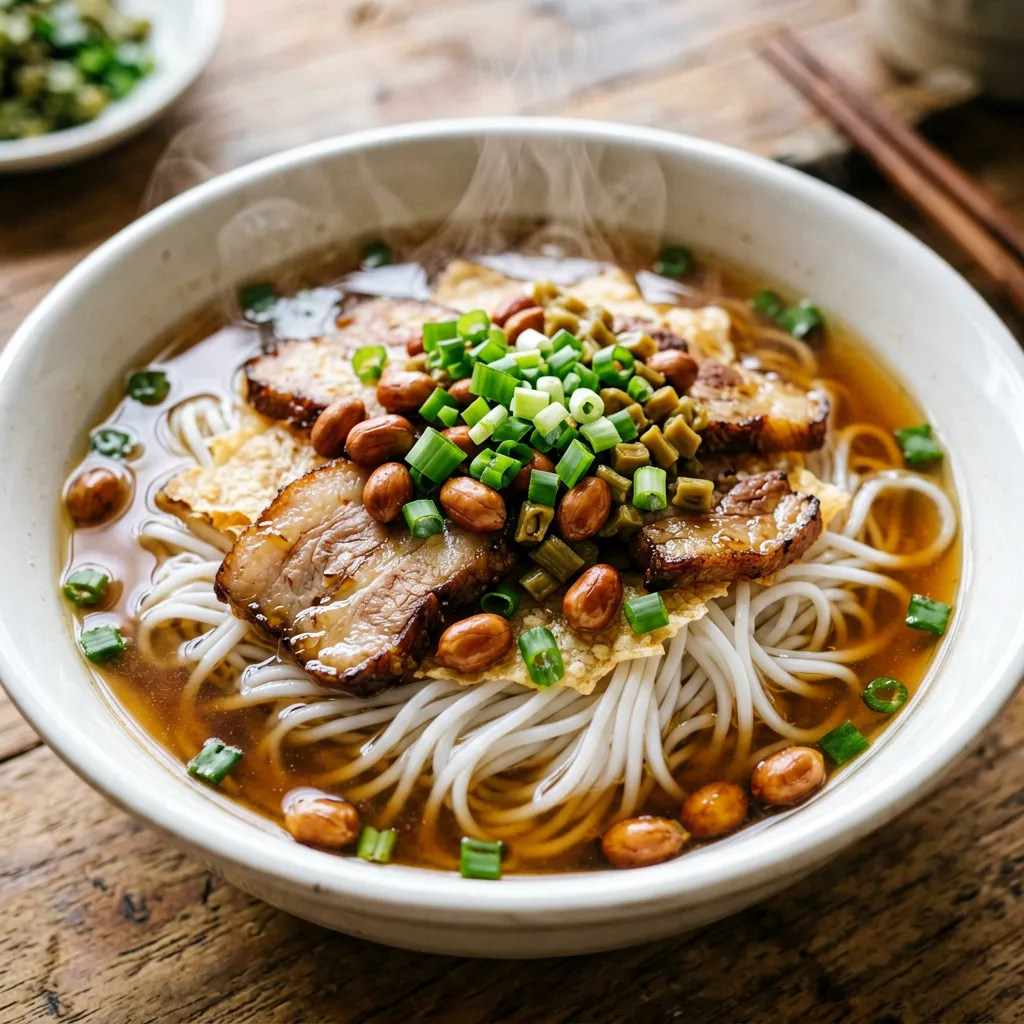
Guilin Rice Noodles. Guilin rice noodles are the most iconic street food along the banks of the Li River, celebrated for their silky-smooth noodles, slowly simmered seasoned brine, crisp soybeans, and fragrant chili oil. The most common way to enjoy them is dry-mixed: once tossed, every noodle is coated in rich, savory sauce. For a soup version, you can also add bone broth. A wide array of toppings—such as pickled long beans, peanuts, and scallions—can be added to suit your taste. Whether in the morning or afternoon, stepping into a local eatery in Guilin lets you savor this authentic blend of rice aroma and braised flavor—a perfect gateway to understanding the local food culture.

Beer Fish
Eat 2

Beer Fish

啤酒鱼

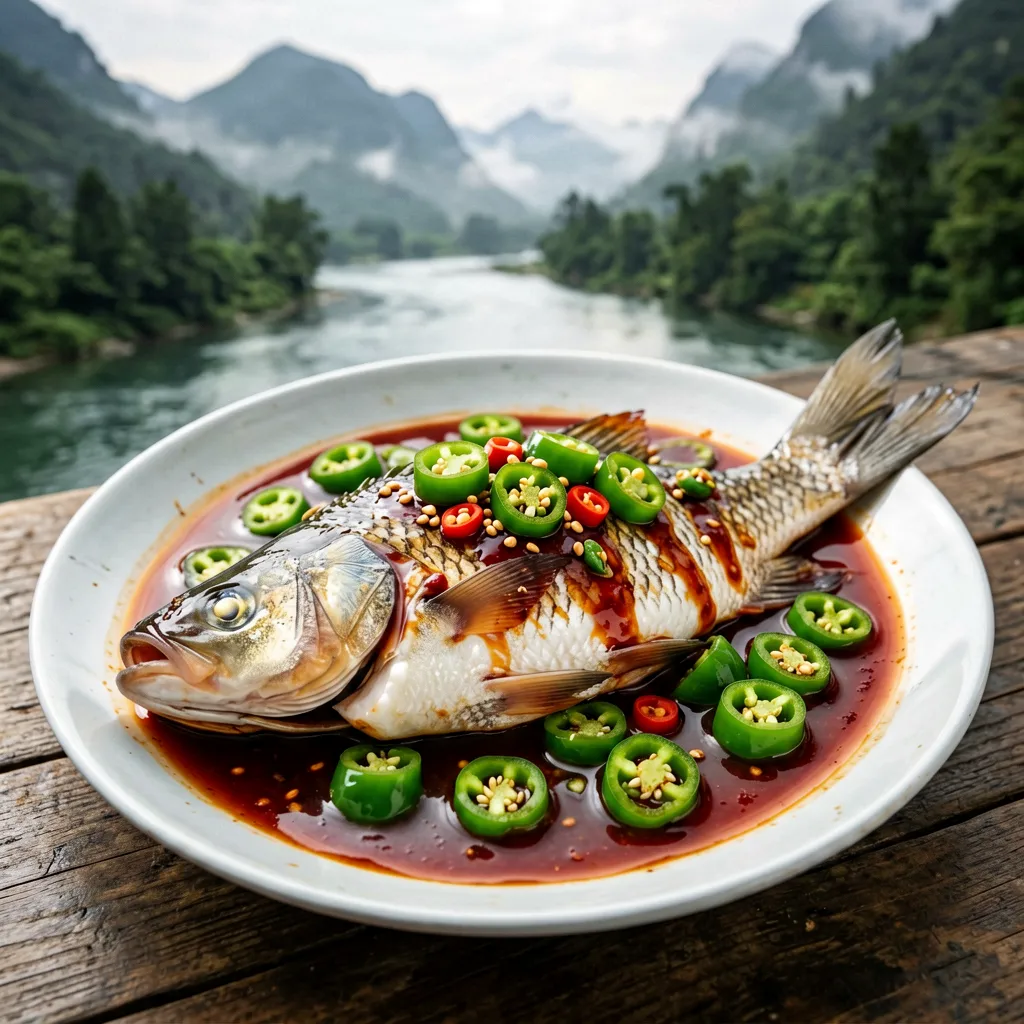
Beer Fish. Beer fish is the signature dish of the Yangshuo area along the Li River. Made with fresh river fish as the main ingredient, it is braised in local beer. The fish is tender, the sauce rich, with a hint of malt aroma and a mild spiciness. Accompanied by tomatoes, green peppers, and other garnishes, it is a feast for the eyes as well. This dish embodies the rustic charm and bold flavors of northern Guangxi cuisine and is often enjoyed with rice or Li Quan beer. While touring the Li River, be sure to stop by a street-side restaurant in Yangshuo to savor it and immerse yourself in the authentic local flavors amid the stunning landscapes.

Lipu Taro Braised Pork
Eat 3

Lipu Taro Braised Pork

荔浦芋扣肉

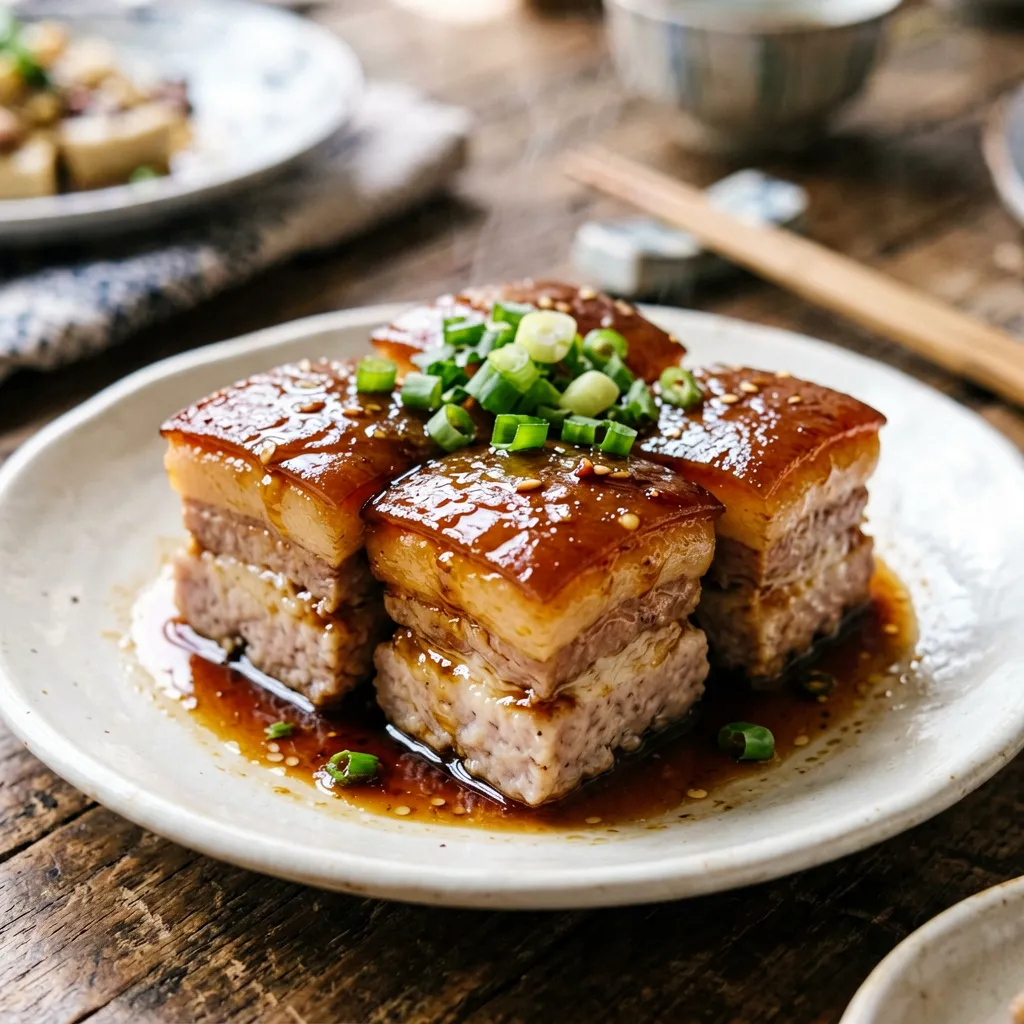
Lipu Taro Pork Belly. This is a traditional celebrated dish from the Li River basin in Guilin, made by layering locally grown Lipu taro with pork belly, then deep-frying and steaming the dish until tender. The taro is soft, powdery, and fragrant, absorbing the rich meat juices and melting in the mouth; the pork belly is rich but not greasy, tender and savory. A sweet and savory sauce permeates the layers, creating a delicate contrast of smoothness and softness. This dish embodies the rustic yet refined culinary style of northern Guangxi and often appears as the grand finale at festive banquets. It is best enjoyed with rice, letting the perfect harmony of taro and meat flavors unfold—a taste of the region beyond the landscapes of the Li River.

Stuffed Snails
Eat 4

Stuffed Snails

田螺酿

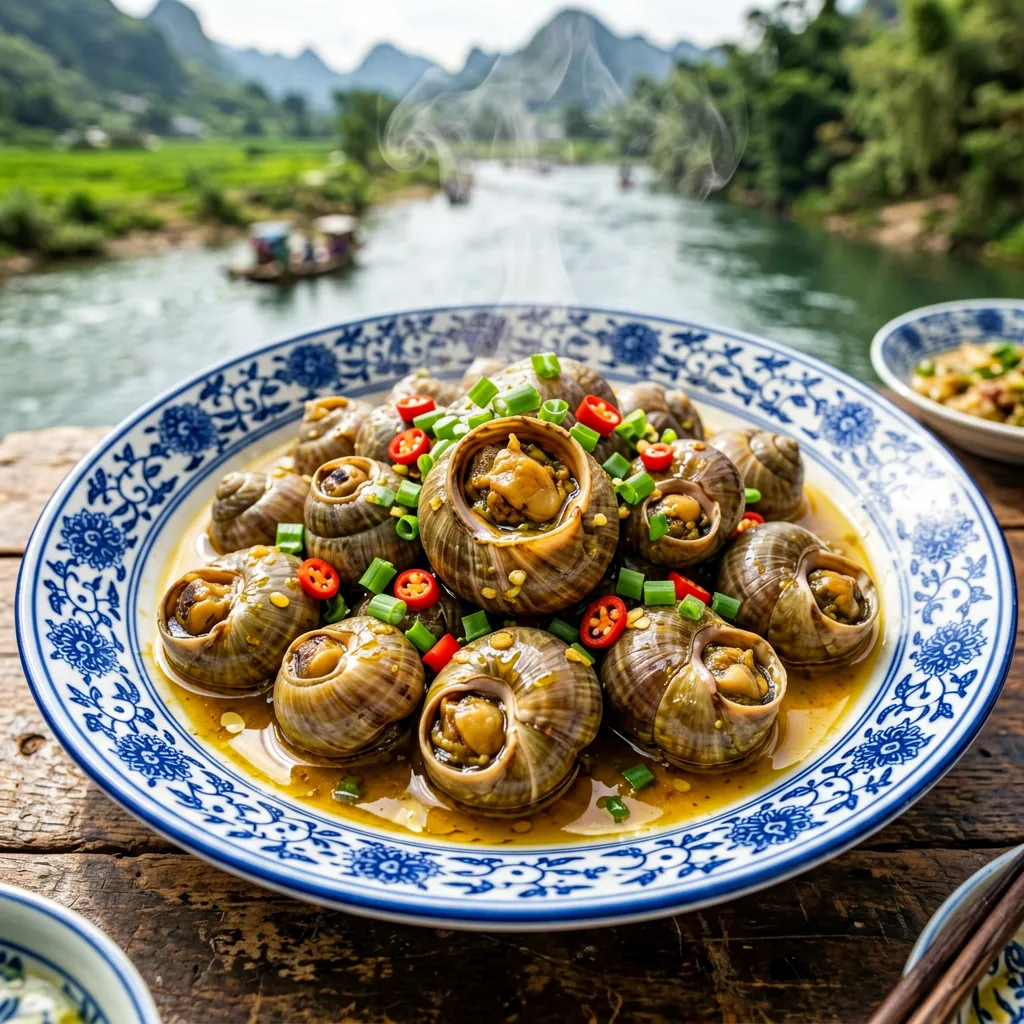
Stuffed River Snails (Tianluo Niang). A traditional delicacy of the Li River basin, this dish involves mincing fresh snail meat with pork and aromatics, then stuffing the mixture back into the shells for cooking. The snail meat is tender and springy, while the filling is richly savory, enhanced by the fresh fragrance of perilla and mint. It stands as a hallmark of Guilin's "stuffed dish" culinary culture. To enjoy, use a toothpick to pick out the snail, sip the broth first, then savor the meat — the flavors unfold in layers. This dish showcases the locals' ingenious use of river delicacies and is a must-try for experiencing the flavors of the Li River.

Gongcheng Oil Tea
Eat 5

Gongcheng Oil Tea

恭城油茶

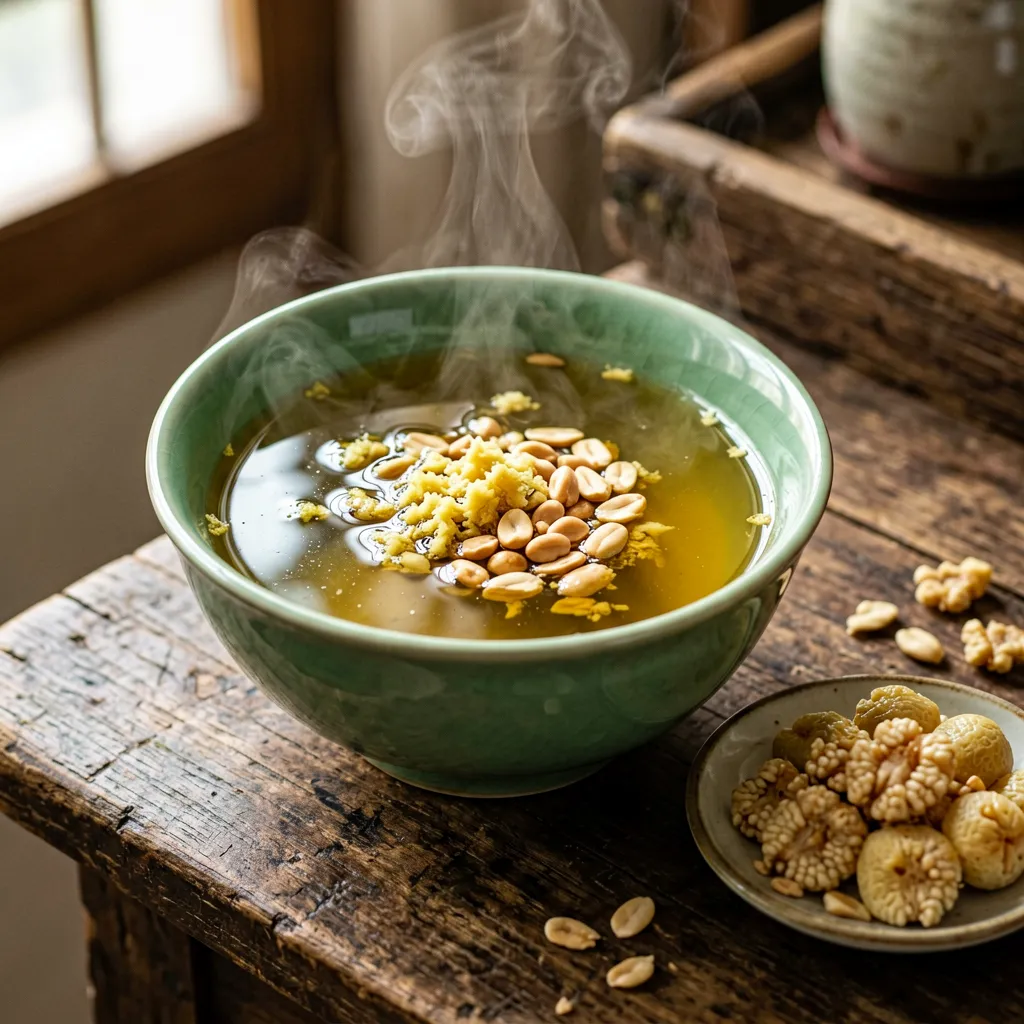
Gongcheng Oiled Tea. A traditional delicacy of the Yao ethnic group along the Li River basin in Guilin, Gongcheng Oiled Tea is made from tea leaves, ginger, garlic, and peanuts, prepared through pounding, stir-frying, and boiling. The tea broth is rich and aromatic with a slight bitterness, leaving a mellow and sweet aftertaste. It is often enjoyed with puffed rice, fried dough bits, and peanuts, warming the stomach and refreshing the mind. Known as "China's coffee," this drink is not only a daily breakfast staple but also a gesture of hospitality, embodying the profound wisdom of life in the Yao countryside. Tasting oiled tea is the most direct way to experience the local customs and culture.

Water Chestnut Cake
Eat 6

Water Chestnut Cake

马蹄糕

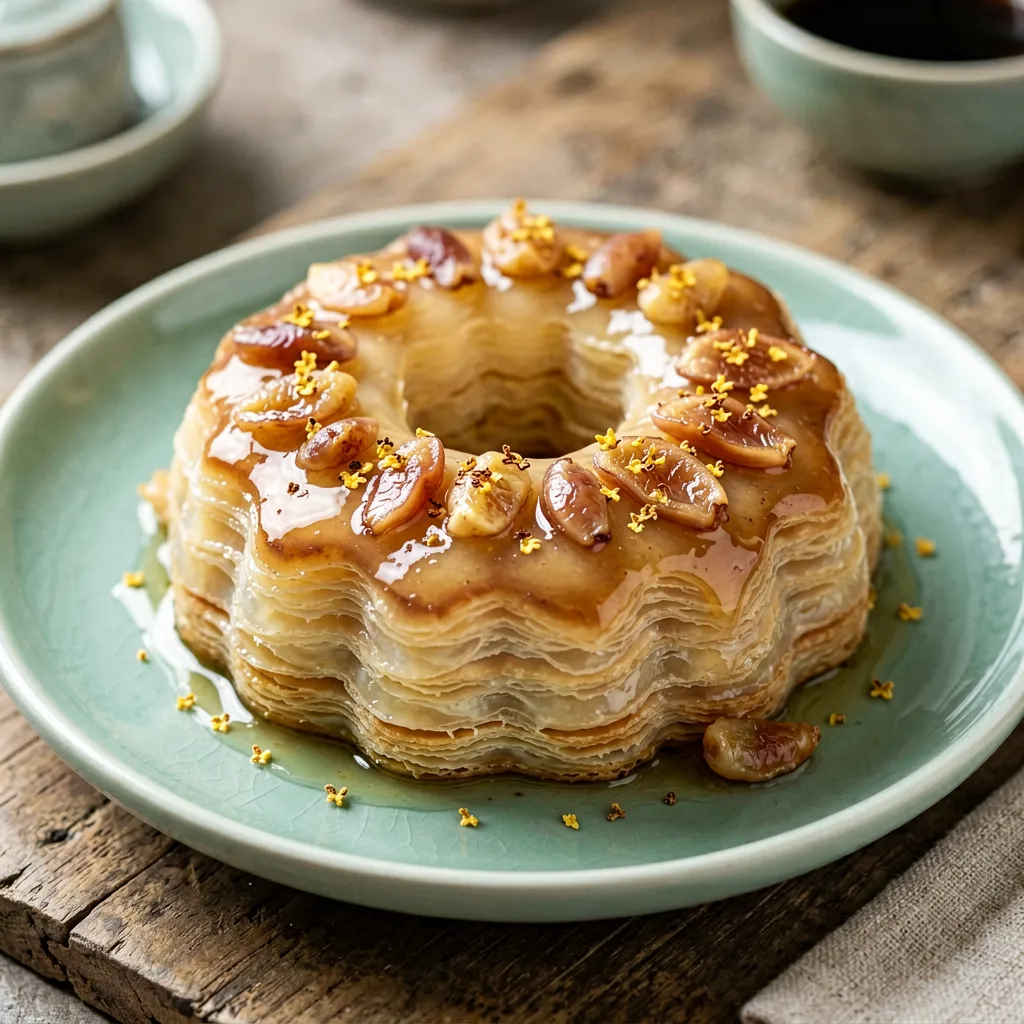
Water Chestnut Cake. Water chestnut cake is a traditional snack along the Li River, made from locally sourced water chestnut (Eleocharis dulcis) flour. It has a refreshingly sweet, springy texture and a translucent, jelly-like appearance. After steaming and chilling, the cake is sliced and pan-fried until golden, resulting in a crispy exterior and soft,糯 interior, with a distinctive fresh, plant-like aroma. As you stroll along the banks of the Li River, you'll find street stalls preparing it fresh on the spot—it's a must-try local dessert when soaking in the landscapes of Guilin. Though the making process is simple, it is executed with care, preserving the natural flavor of the water chestnuts. It also makes for a light, convenient snack during your travels.