Mogao Grottoes

Heritage · 甘肃省 · 莫高窟

Mogao Grottoes

Dunhuang

Mogao Grottoes · ChinaMazing

Discover

Core Sights

The essential sights — what they are, and when to go.

Nine-story Tower (Cave 96)

Sight 1

Nine-story Tower (Cave 96)

九层楼(第96窟)

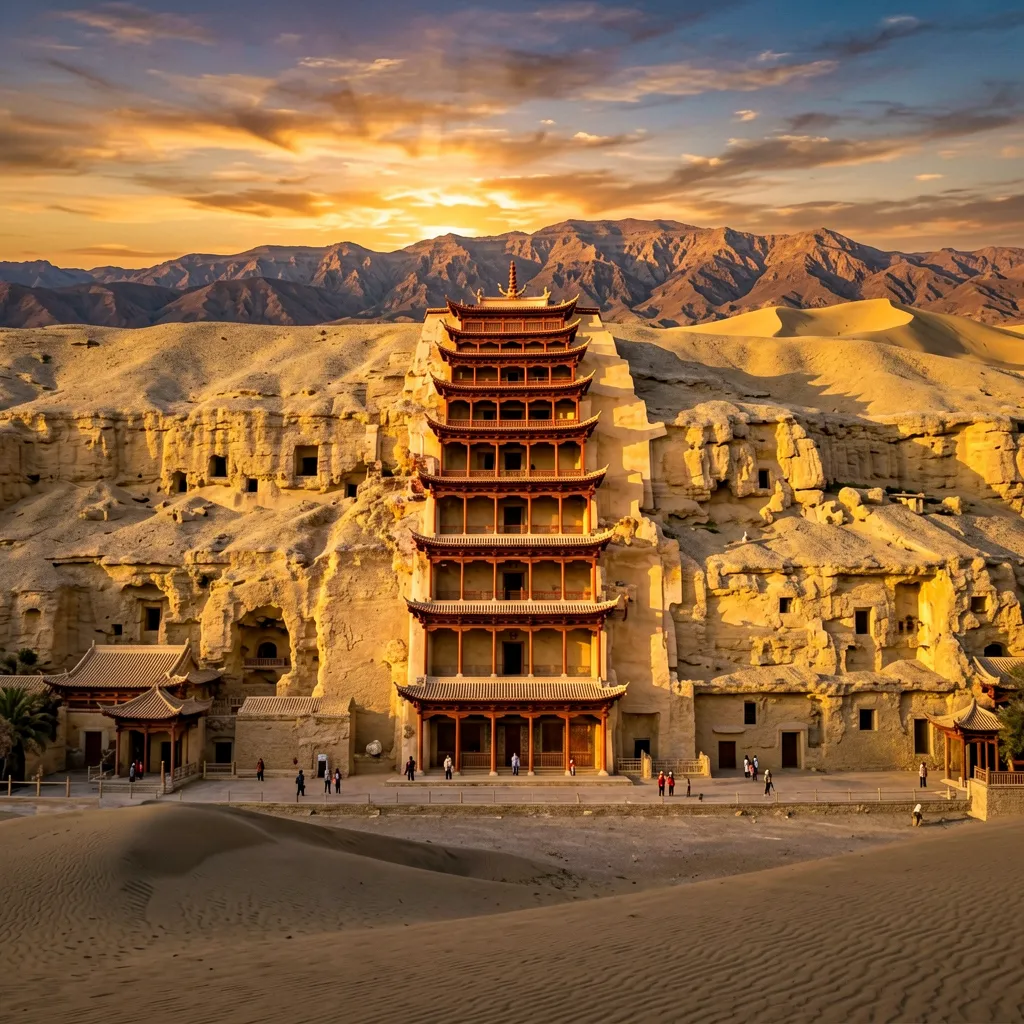
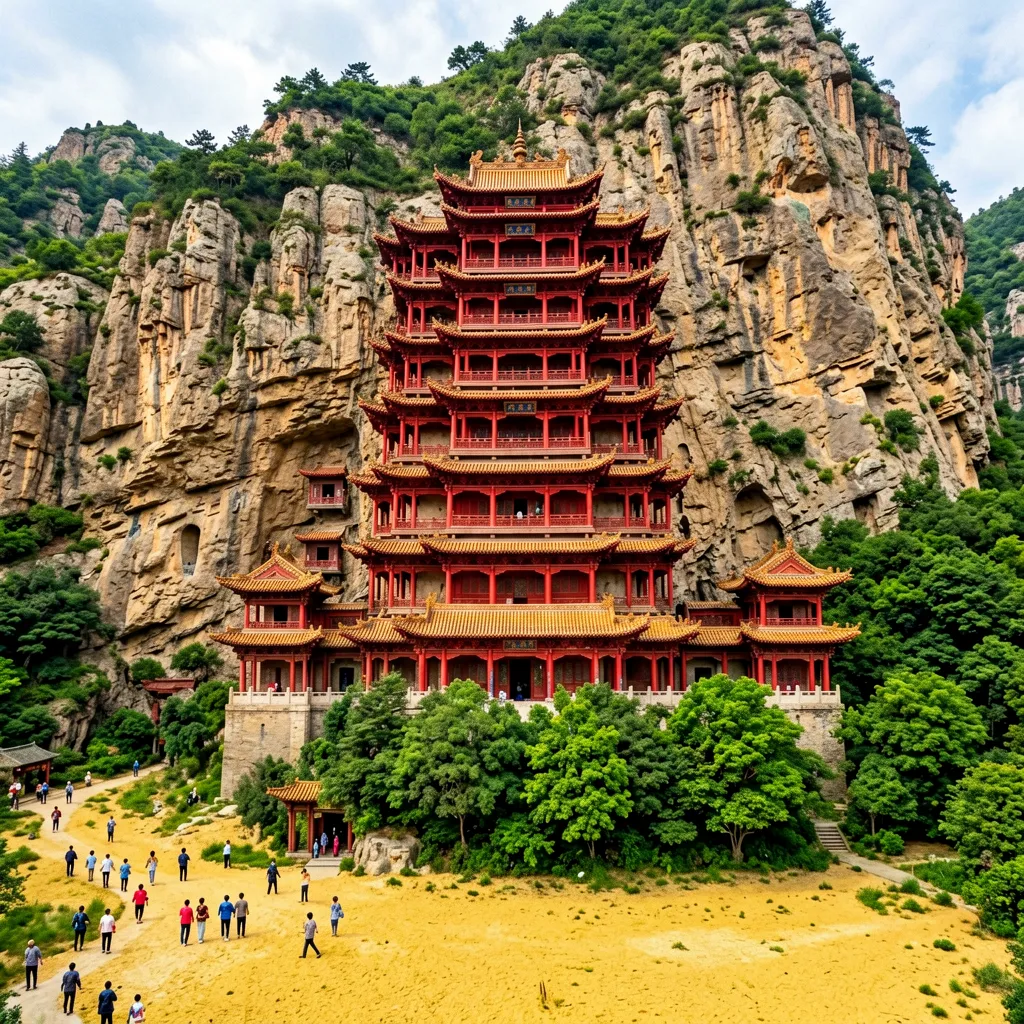
The Nine-Story Building (Cave 96). As the iconic structure of the Mogao Caves, the Nine-Story Building is built against the cliff with magnificent grandeur. Inside the cave stands a colossal statue of Maitreya Buddha, carved directly from the mountain rock—the largest Buddha statue in the Mogao Caves, renowned for its benevolent expression and exquisite craftsmanship. The building's upturned eaves and interlocking brackets blend seamlessly with the grotto, showcasing the extraordinary wisdom of ancient artisans. This site is not only a treasure of Buddhist art but also a testament to the cultural exchange between East and West along the Silk Road, making it an unmissable highlight for every visitor to the Mogao Caves.
Library Cave (Cave 17)

Sight 2

Library Cave (Cave 17)

藏经洞(第17窟)

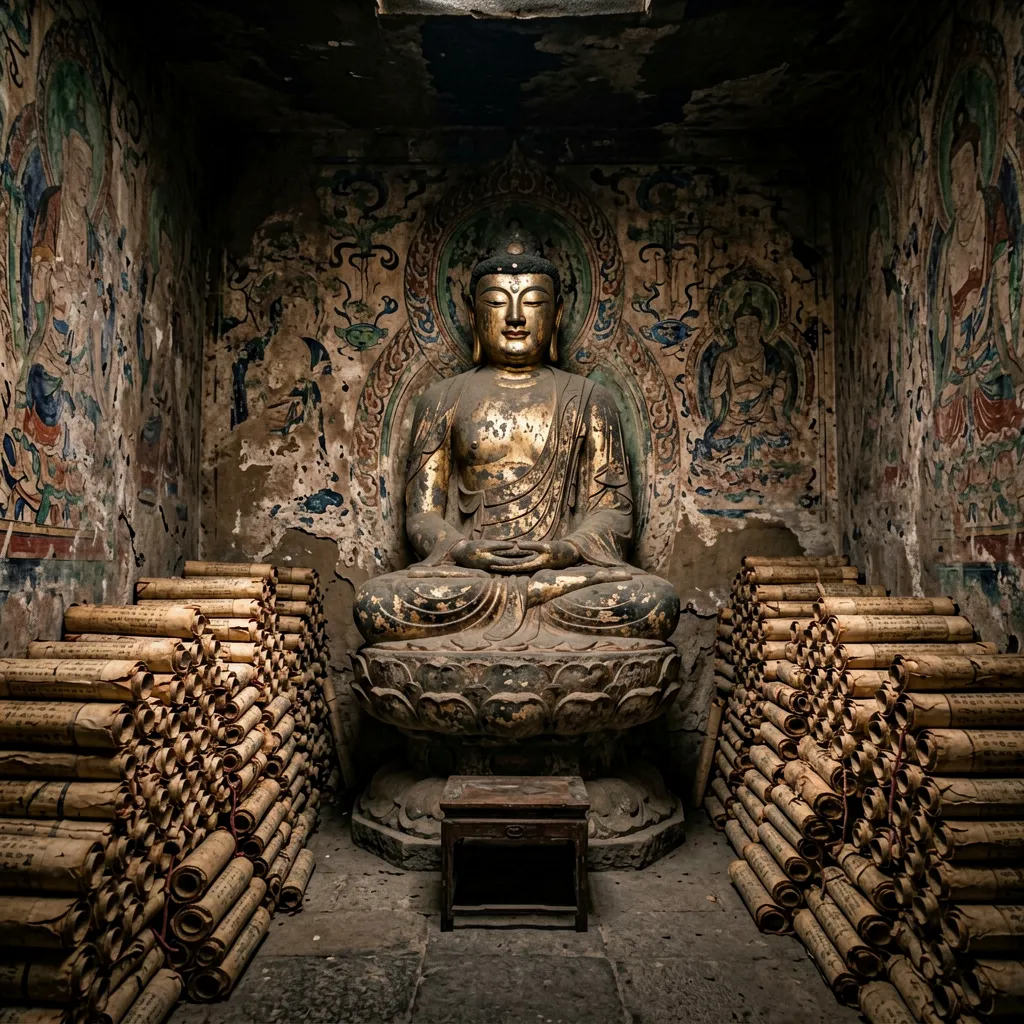
The Library Cave (Cave 17). Located at Cave 17 of the Mogao Caves, the Library Cave is renowned for the discovery in 1900 of nearly fifty thousand ancient manuscripts, sutras, and silk paintings, earning it the title "Encyclopedia of the Medieval Era." The cave originally served as the memorial shrine of the eminent late Tang monk Hong Bian, with his portrait painted on the north wall and a stone stele embedded in the west wall. The collected documents span diverse fields including religion, history, literature, and science, making them invaluable historical sources for studying cultural exchange between East and West. Today, the original artifacts are mostly scattered across collections worldwide, yet the cave retains its original murals and sculptures, allowing visitors to experience its profound historical atmosphere.

Reclining Buddha (Cave 148)

Sight 3

Reclining Buddha (Cave 148)

涅槃卧佛(第148窟)

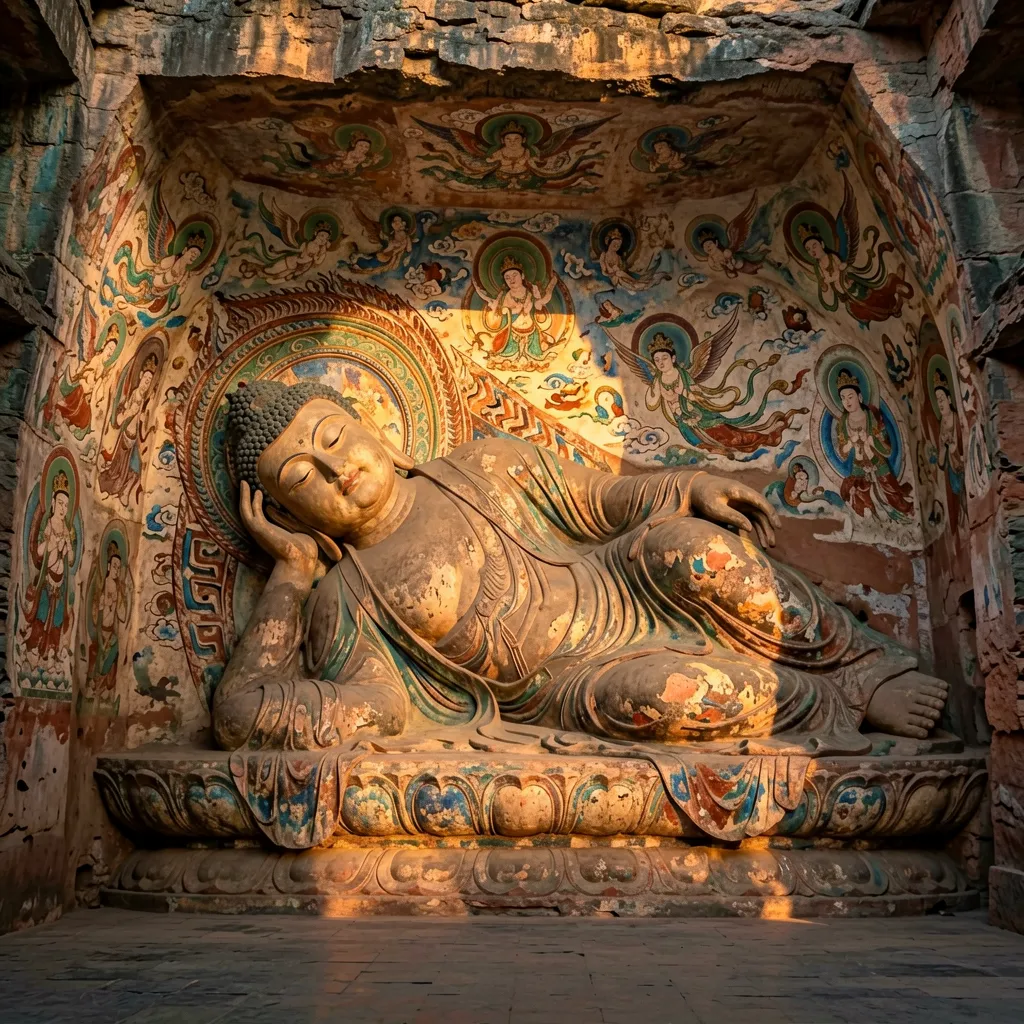
The Reclining Nirvana Buddha (Cave 148). The reclining Buddha in Cave 148 is one of the grandest nirvana statues in the Mogao Caves. The Buddha lies on his side with a serene expression, vividly capturing the moment of Sakyamuni's entry into nirvana. The murals inside the cave depict scenes of disciples and celestial beings mourning, evoking a solemn and awe-inspiring atmosphere. Carved during the High Tang period, this cave stands as a magnificent masterpiece of Buddhist art along the Silk Road, showcasing both the majestic spirit and refined craftsmanship of Tang dynasty sculpture.

Jataka of the Nine-Colored Deer (Cave 257)

Sight 4

Jataka of the Nine-Colored Deer (Cave 257)

九色鹿本生(第257窟)

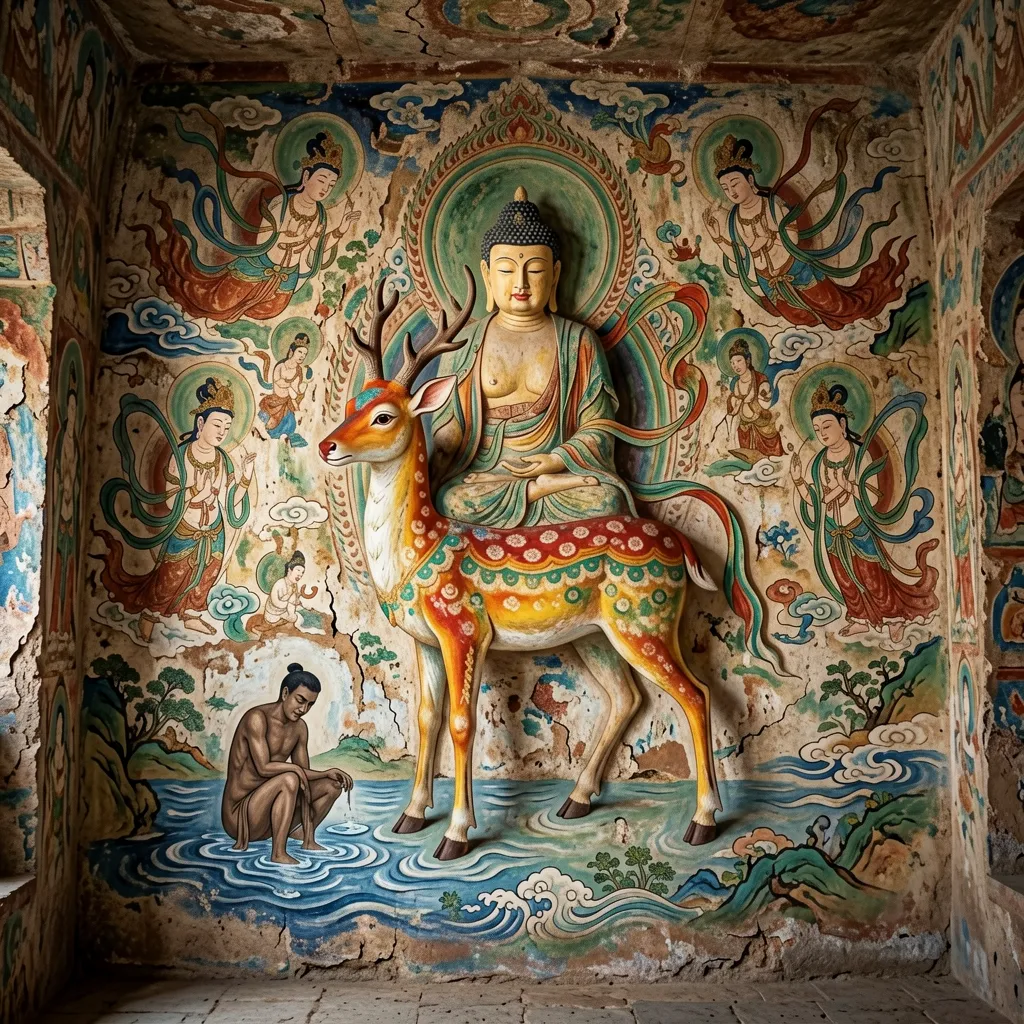
The Nine-Color Deer Jataka (Cave 257). The mural "The Nine-Color Deer Jataka" on the west wall of Cave 257 at Mogao Caves is a classic masterpiece of Dunhuang murals. Told in a sequential narrative format, the painting depicts the story of a nine-colored deer saving a drowning man, who later betrays him, vividly illustrating the theme of karmic retribution. With its archaic colors, fluid lines, the graceful posture of the deer king, and the expressive faces of the figures, this mural is a representative work of Buddhist art from the Northern Wei Dynasty. Visitors can appreciate the narrative charm and religious symbolism of early Dunhuang murals here, making it an important gateway to understanding the artistic value of the Mogao Caves.

Jataka of Prince Sattva (Cave 428)

Sight 5

Jataka of Prince Sattva (Cave 428)

萨埵太子割肉饲虎(第428窟)

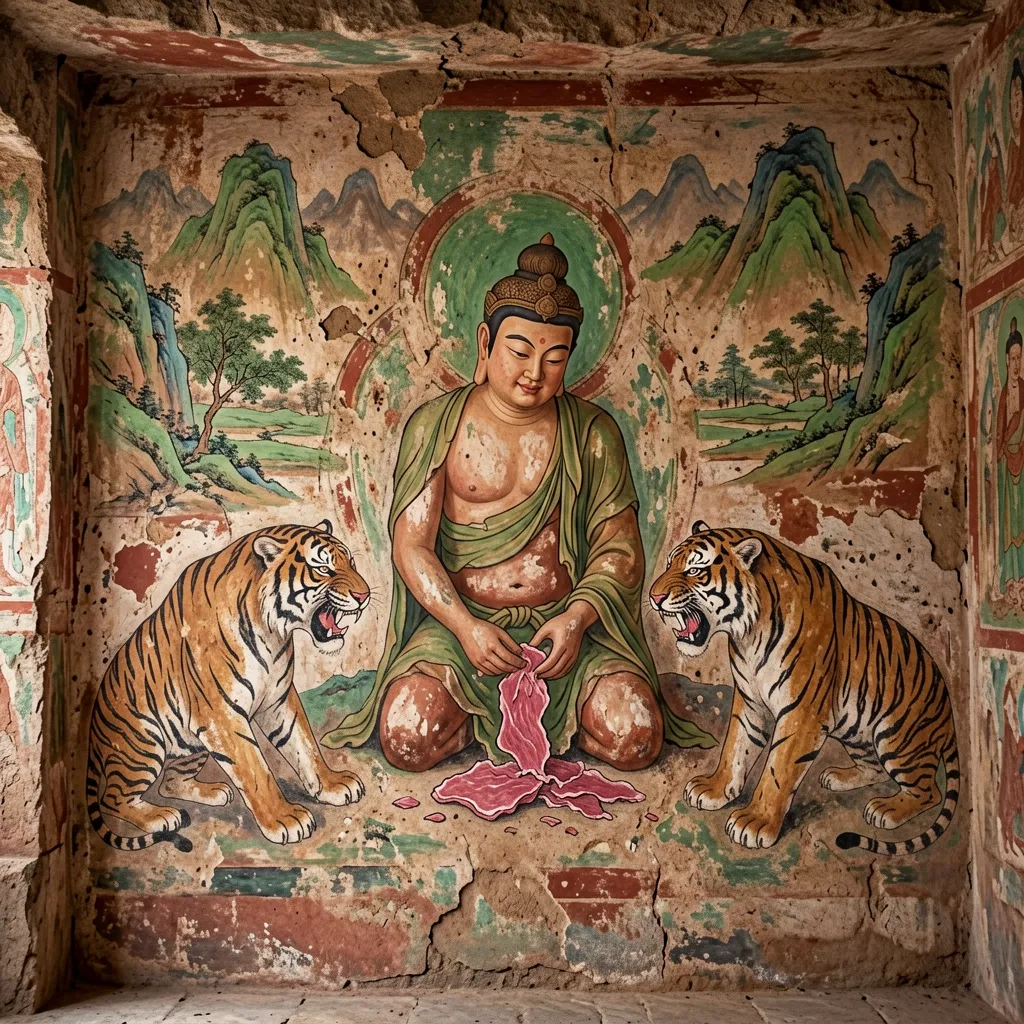
The Prince Sattva Jataka: Sacrificing His Flesh to Feed a Tiger (Cave 428). This mural, located in Cave 428 of the Mogao Caves, is a classic representation of the "self-sacrifice to feed a tiger" story among Dunhuang murals. Rendered in a sequential narrative format, it depicts the poignant and heroic scene of Prince Sattva cutting flesh from his own body to save a starving tiger. The colors are archaic, the figures vividly posed, and the work is imbued with deep religious resonance. As a representative piece from the Northern Zhou period, it reflects the indigenized style of early Buddhist art and serves as an important window into understanding ancient Chinese Buddhist culture and painting techniques.

Fine Bodhisattva (Cave 45)

Sight 6

Fine Bodhisattva (Cave 45)

最美菩萨(第45窟)

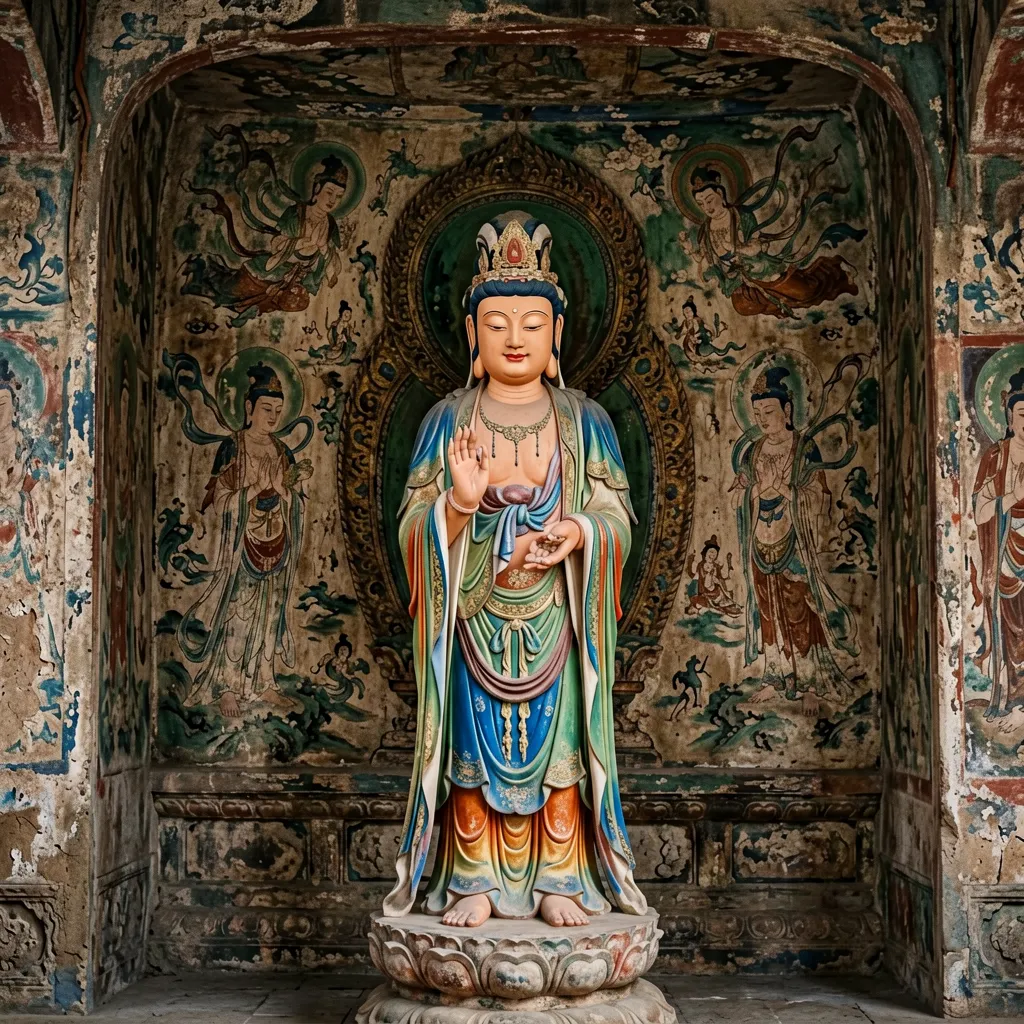
The Most Beautiful Bodhisattva (Cave 45). The bodhisattva statue in Cave 45 of the Mogao Caves is hailed as the "Most Beautiful Bodhisattva" and represents the pinnacle of painted sculpture artistry from the High Tang period. With a plump, radiant face and gently lowered brows and eyes, this bodhisattva exudes a benevolent and serene expression, embodying a transcendent beauty of compassion. Her slightly inclined posture and flowing, graceful robe lines appear to ripple with the breeze, showcasing Tang Dynasty artisans' exceptional skill in capturing human expression and the texture of garments. Within the cave, the bodhisattva stands in harmonious dialogue with the guardians and disciples on either side, forming a complete Buddhist realm. This cave is not only of immense artistic value but also serves as a window into Tang Dynasty Buddhist art and aesthetic ideals, making it a must-visit destination for international travelers.

Eat

Local Eats

The local dishes worth crossing town for.

Donkey Meat with Yellow Noodles
Eat 1

Donkey Meat with Yellow Noodles

驴肉黄面

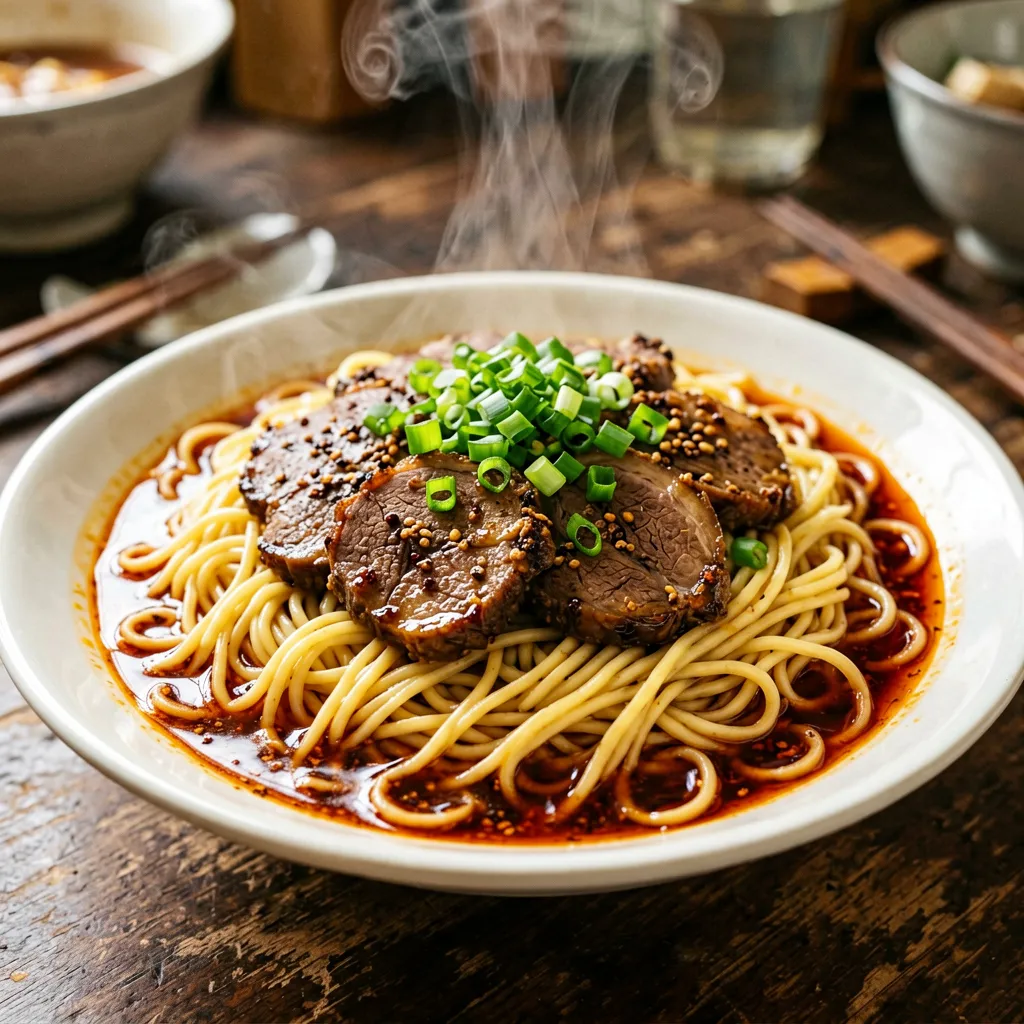
Donkey Meat Yellow Noodles. Donkey meat yellow noodles is a signature delicacy of Dunhuang, featuring chewy yellow noodles paired with tender donkey meat, dressed in a secret seasoned gravy for a rich, savory flavor. Donkey meat is high in protein and low in fat, with a distinctive taste, giving rise to the local saying, "In heaven there is dragon meat; on earth there is donkey meat." The noodles are hand-pulled for exceptional chewiness, and the gravy is savory and robust, where the aroma of meat and noodles blend perfectly. After exploring the Mogao Caves, be sure to savor this authentic local flavor in downtown Dunhuang and experience the down-to-earth yet hearty essence of Silk Road culinary culture.

Apricot Peel Drink
Eat 2

Apricot Peel Drink

杏皮水

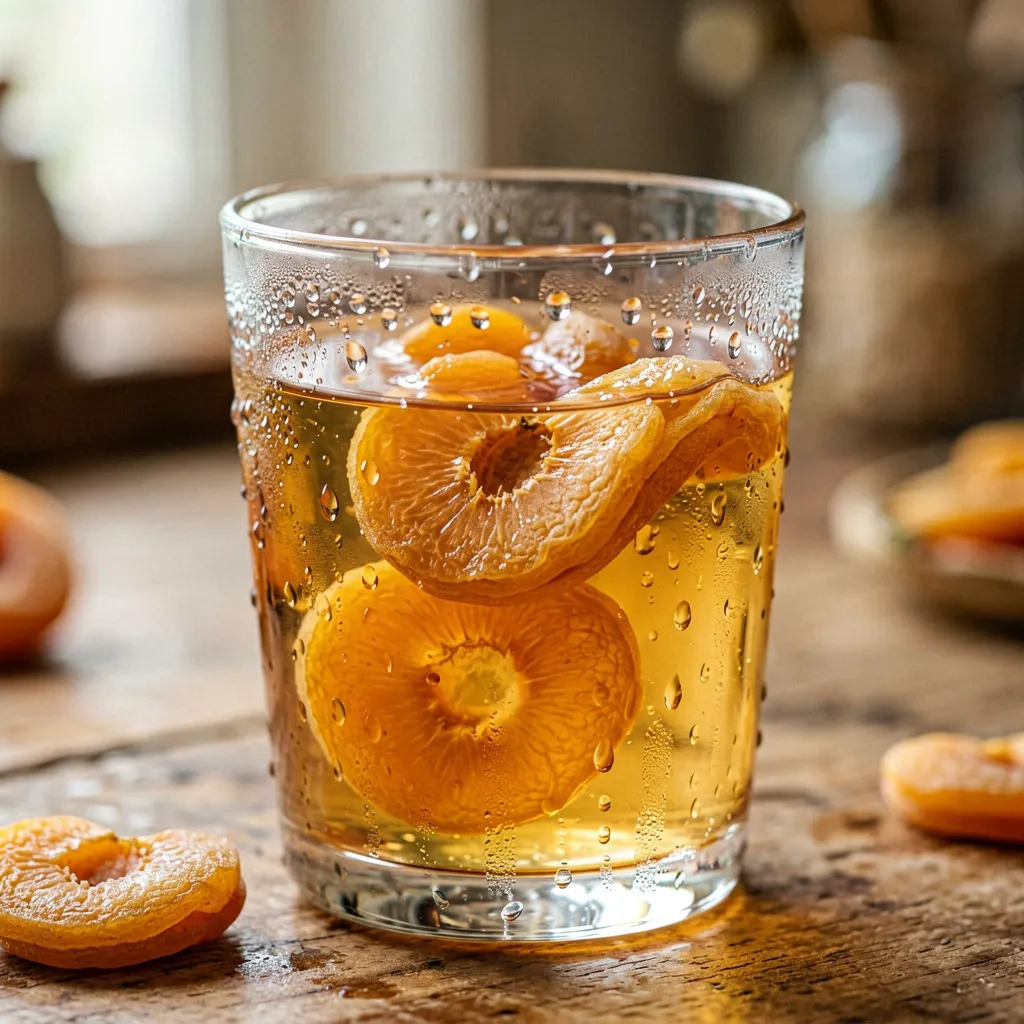
Apricot Peel Water. Apricot Peel Water is a traditional summer drink native to Dunhuang, made by simmering dried Liguang apricots until the liquid turns a golden hue. It tastes refreshingly sweet and sour. After touring the Mogao Caves, you can easily grab a cup of iced apricot peel water at a small shop near the site or from a street-side vendor downtown. It quenches your thirst while carrying the distinctive fruity aroma of the northwest. With no artificial coloring and a rich, natural fruit flavor, it makes for a light, delightful taste of everyday Silk Road life. The first sip greets you with a gentle tartness, followed by a lingering sweetness. It pairs especially well with local noodles or snacks, cutting through the richness. If you'd like to take some home, bottled versions and dried apricot packets are also available, making it easy to carry on your travels.

Lamb Soup with Rice Noodles
Eat 3

Lamb Soup with Rice Noodles

羊肉粉汤

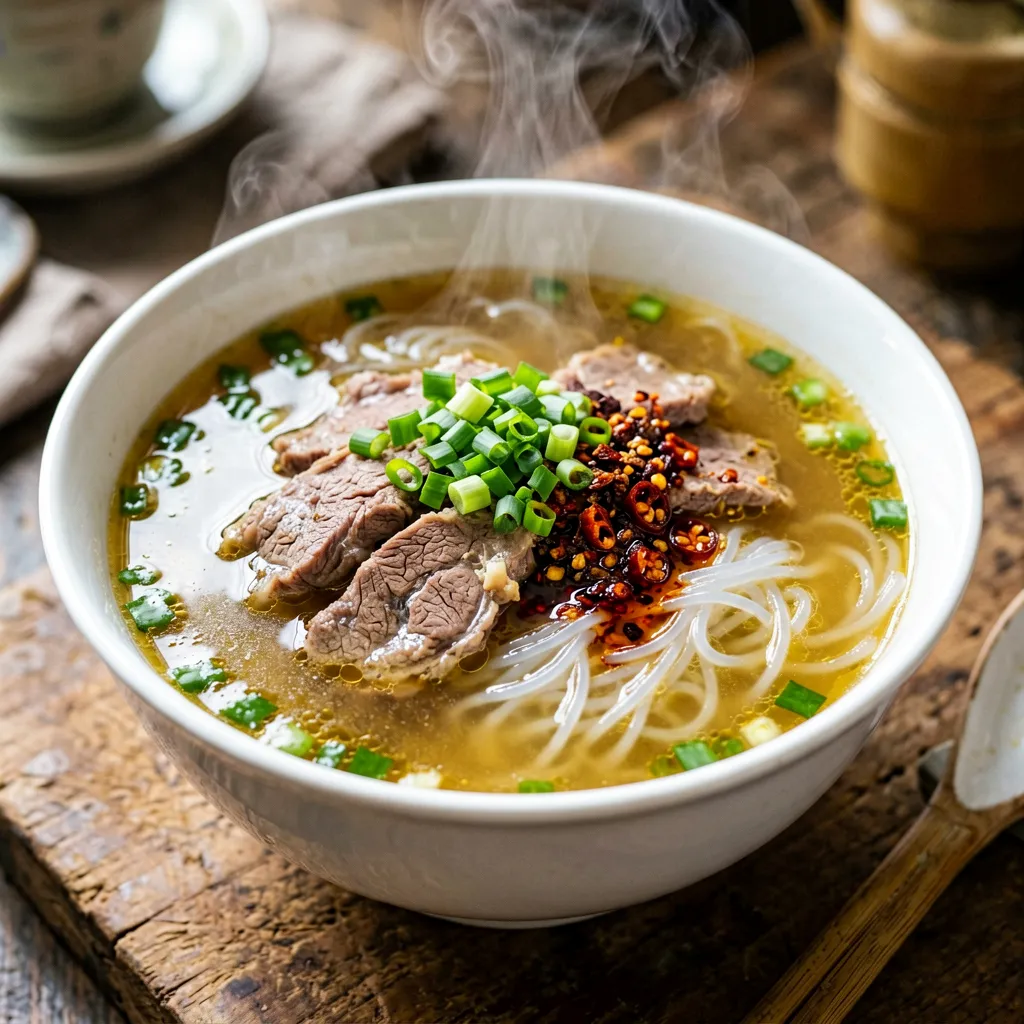
Lamb Rice Noodle Soup. This dish is a wildly popular breakfast in Dunhuang and a signature of northwestern Chinese cuisine. Premium lamb is simmered slowly to create a rich, flavorful broth, served with silky rice noodles and garnished with scallions, cilantro, and chili oil—a bowl that warms the stomach and satisfies the soul. For visitors to the Mogao Caves, it's a perfect meal to quickly replenish energy while experiencing local food culture. The robust lamb broth and soft, tender noodles blend harmoniously, showcasing Dunhuang's bold and hearty flavors—especially nourishing and comforting in the arid climate of the northwest.

Fried Oil Cake
Eat 4

Fried Oil Cake

泡儿油糕

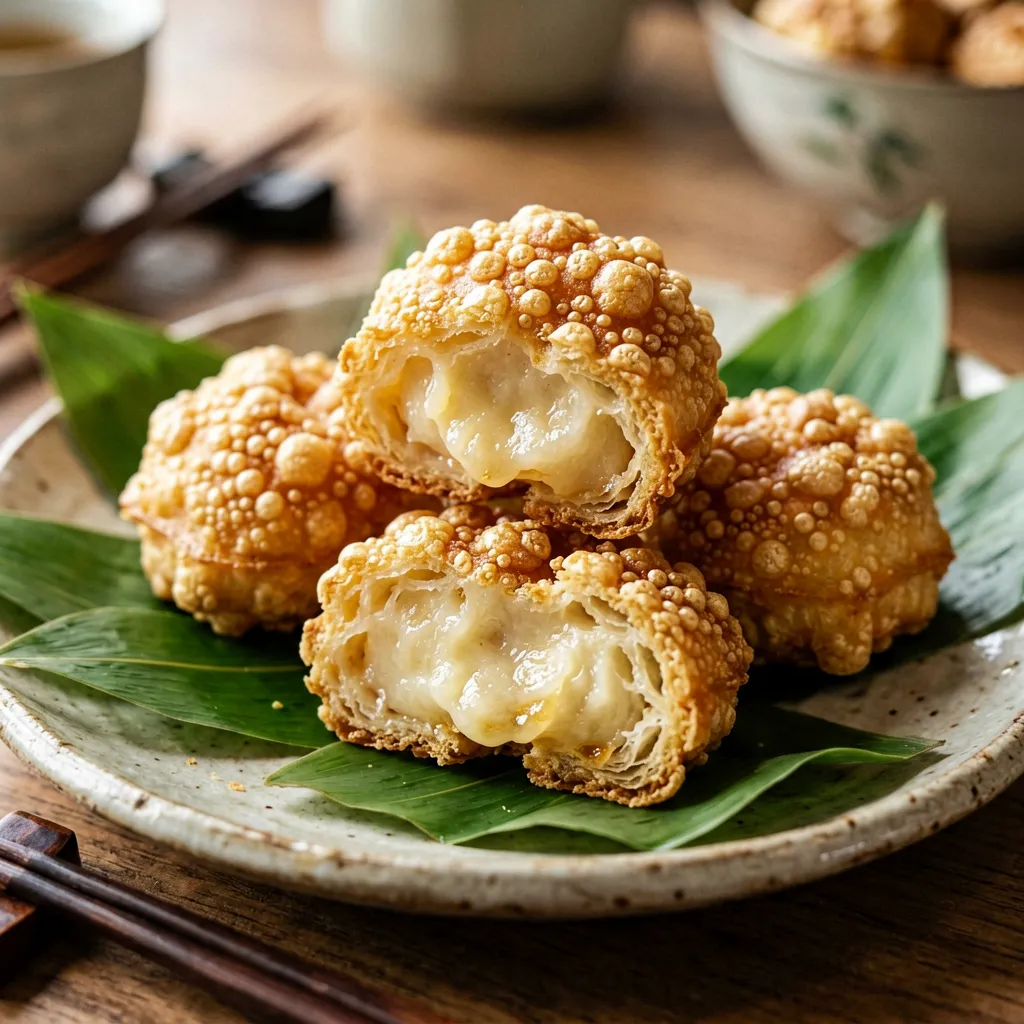
Pao'er Yougao (Bubble Oil Cake). This traditional Dunhuang snack has gained widespread recognition thanks to its popularity among visitors to the Mogao Grottoes. With its round, golden shape and surface covered in fine, delicate bubbles, it offers a crispy bite on the outside and a soft, sweet filling within, typically made from brown sugar or sesame. The preparation is meticulous: hot-water dough is repeatedly kneaded with lard before being deep-fried at high temperature, allowing the bubbles to form naturally through the process. This pastry serves as an everyday tea-time treat for locals and is a common sight in restaurants around the Mogao Grottoes. For the best experience, it is recommended to enjoy it hot, paired with a cup of clear tea, to fully appreciate its layered texture of crispiness and softness. A sweet highlight on any Silk Road journey, it carries with it the street-side charm of Dunhuang and the echoes of its storied past.

Dunhuang Liangpi
Eat 5

Dunhuang Liangpi

敦煌酿皮子

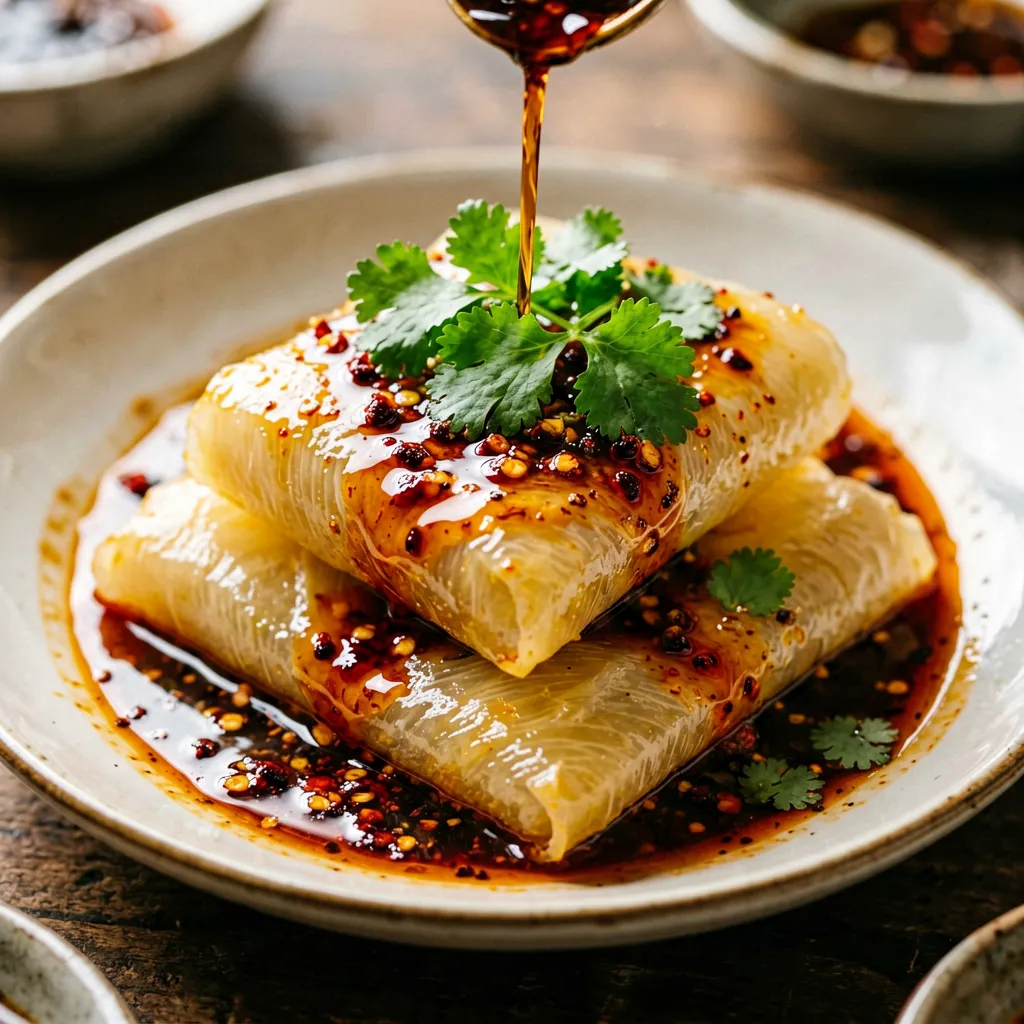
Dunhuang Liangpi (Cold Noodles). Dunhuang Liangpi is the most popular street food in the area during summer. Made from wheat flour that is washed and kneaded into a dough, it has a chewy and smooth texture. Served with chili oil, vinegar, garlic juice, and sesame paste, it offers a tangy and spicy flavor that whets the appetite. Compared to cold noodles from other regions, Dunhuang Liangpi is thicker and more substantial, with a rich wheat aroma, often enjoyed with shredded cucumber and bean sprouts. After visiting the Mogao Caves, a bowl of Dunhuang Liangpi is a perfect way to experience the cool, refreshing flavors of the desert.