Yu Garden

Heritage · Shanghai · 豫园

Yu Garden

Shanghai

Yu Garden · ChinaMazing

Discover

Core Sights

The essential sights — what they are, and when to go.

Grand Rockery

Sight 1

Grand Rockery

大假山

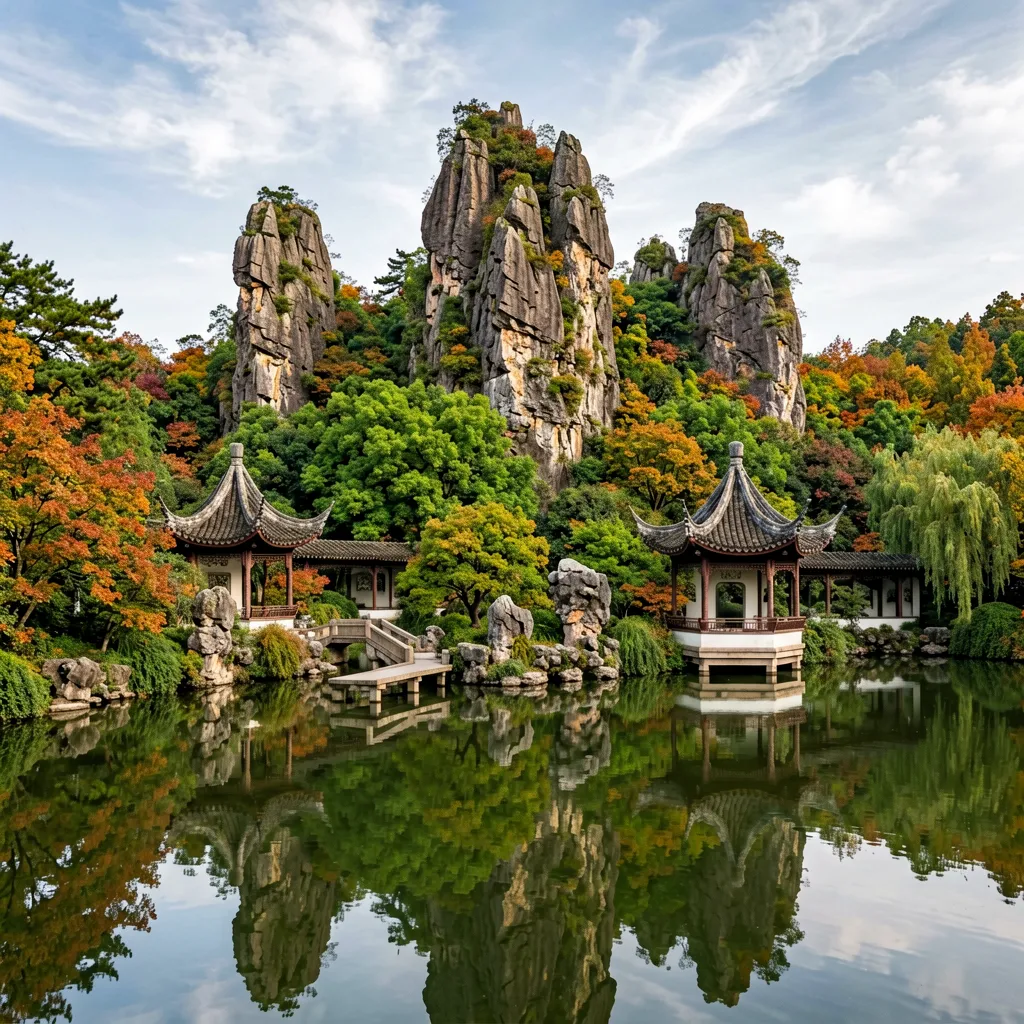
The Grand Rockery. As the centerpiece of Yu Garden, the Grand Rockery was designed by Zhang Nanyang, a renowned master of rockery design in the Ming Dynasty. Built with thousands of tons of Wukang yellow stone, it rises about 14 meters high, making it the largest and most celebrated rockery in existing Jiangnan gardens. With its rugged peaks and deep, secluded grottoes, climbing to the top offers a panoramic view of Yu Garden, allowing visitors to appreciate the tranquil wildness of the hills and the ingenious layout of the garden. It epitomizes the artistic essence of rock placement and water arrangement in Jiangnan garden design, and is an iconic attraction not to be missed during your visit.
Exquisite Jade Rock

Sight 2

Exquisite Jade Rock

玉玲珑

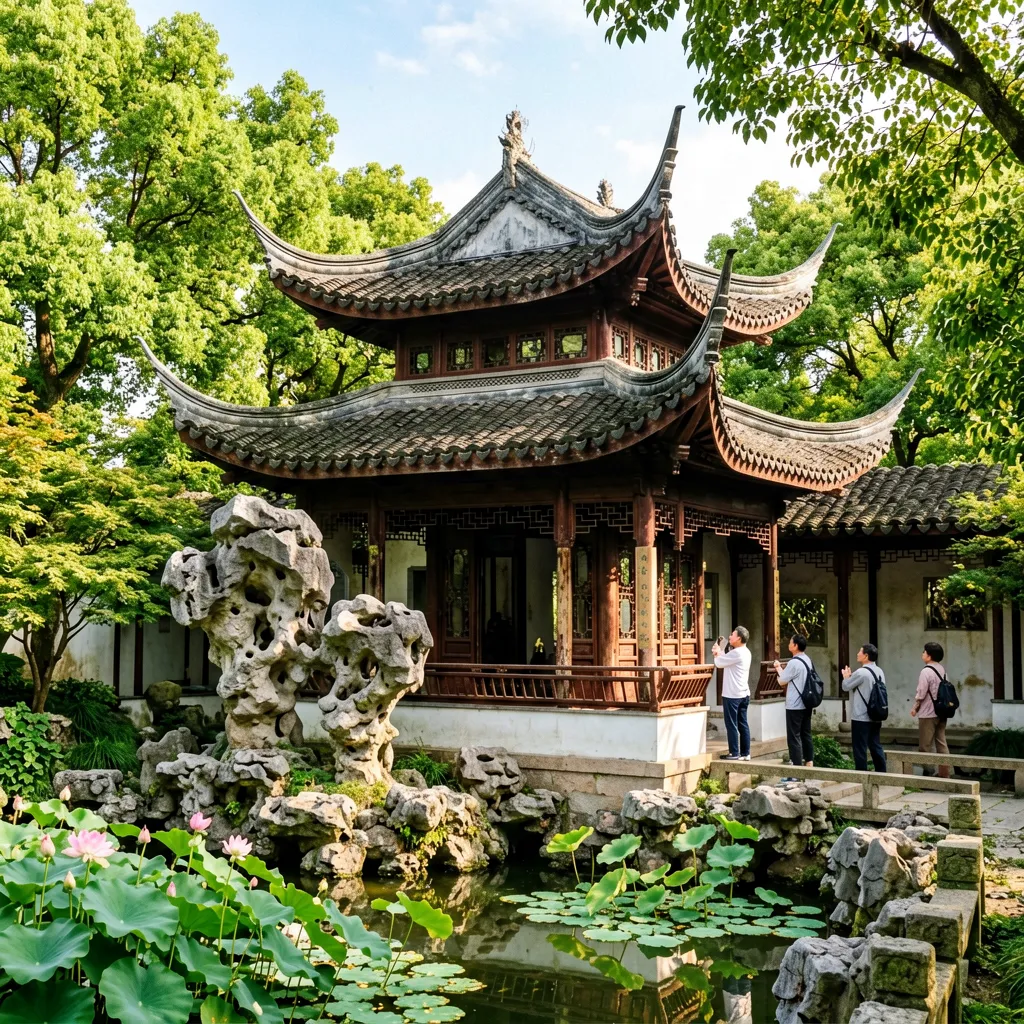
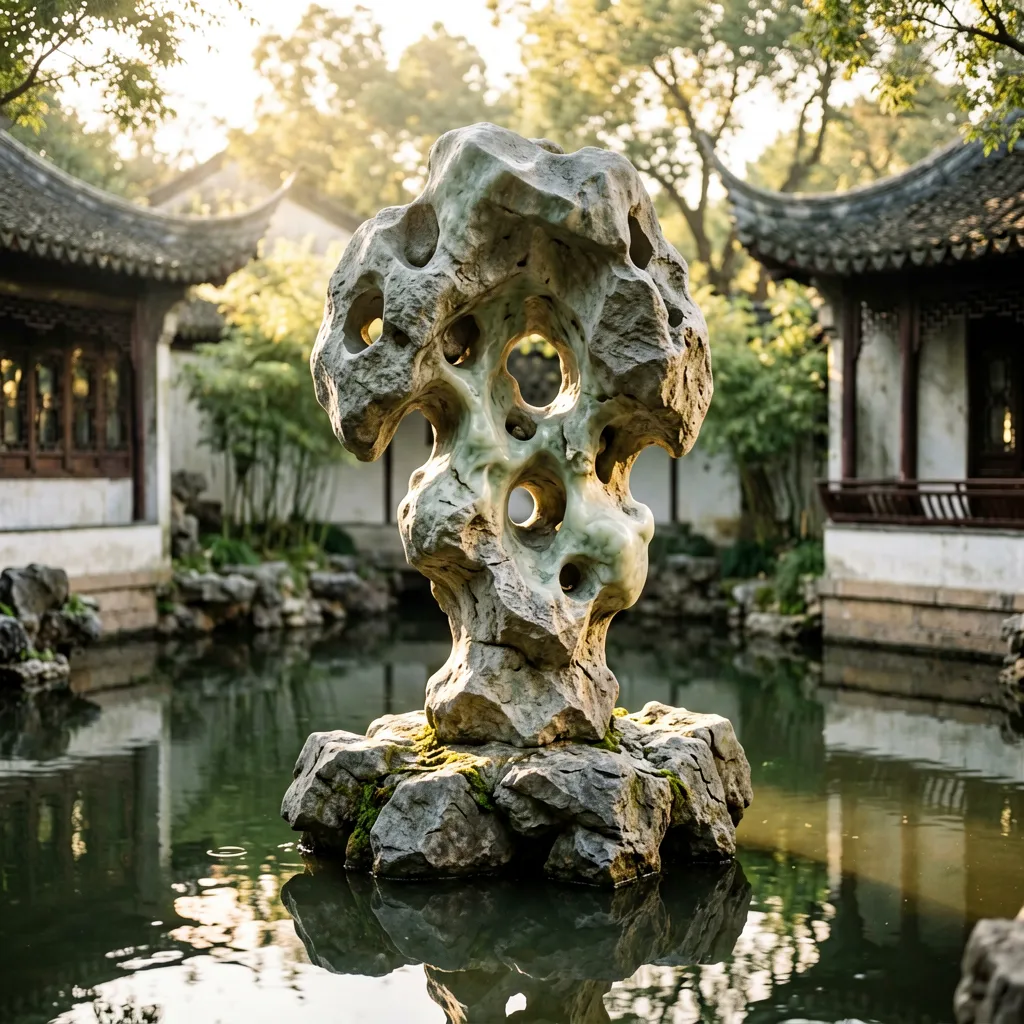
Jade Linglong. Known as the treasured centerpiece of Yu Garden, Jade Linglong is counted among the three great stones of Jiangnan, along with Ruiyun Peak in Suzhou and Zhouyun Peak in Hangzhou. This Taihu stone stands about three meters tall, its entire surface dotted with holes and apertures, embodying the classic beauty of "wrinkles, leaks, thinness, and transparency." Legend has it that this stone was originally part of the Huashigang tribute collection during the Song Dynasty, and after many vicissitudes, it was placed in Yu Garden during the Ming Dynasty. If incense is burned beneath the stone, smoke will curl up gracefully through its numerous cavities; if water is poured from the top, it gushes out through the stone's openings like a waterfall—a truly marvelous spectacle. Its naturally formed, varied postures never fail to astonish visitors from home and abroad.

Hall of Spring

Sight 3

Hall of Spring

点春堂

Dianchun Hall. Located in the northeastern corner of Yu Garden, Dianchun Hall was built during the Daoguang reign of the Qing Dynasty and stands as one of the garden's principal structures. Its name is derived from Su Shi's poetic line "Cui dian chun yan" (green accents of spring's charm). The hall spans five bays in width, featuring richly carved beams and painted rafters, with a rockery and pond in front, surrounded by flourishing flowers and trees. This site once served as the command post of the Small Swords Society uprising in Shanghai in 1853. Today, the hall displays related historical artifacts, showcasing an important chapter in modern Shanghai's history. Visitors can appreciate the beauty of classical garden design here while gaining insight into the city's historical imprint.

Hall of Three Harvests

Sight 4

Hall of Three Harvests

三穗堂

Sansui Hall. Sansui Hall is the main hall of Yu Garden, named after the auspicious omen of "three ears of grain growing from one stalk," symbolizing abundant harvests. A large plaque hangs high within the hall, and the beams and columns are intricately carved, exemplifying typical Ming Dynasty Jiangnan hall architecture. This was once the venue where the garden's owner received guests and held ceremonies. Today, it serves as the starting point for visitors to learn about the history of Yu Garden and the culture of Jiangnan classical gardens. Looking north from the hall, one can admire Yu Garden's iconic Grand Rockery and the scattered pavilions and towers, experiencing the exquisite technique of borrowed scenery in classical garden design.

Ten Thousand Flowers Tower

Sight 5

Ten Thousand Flowers Tower

万花楼

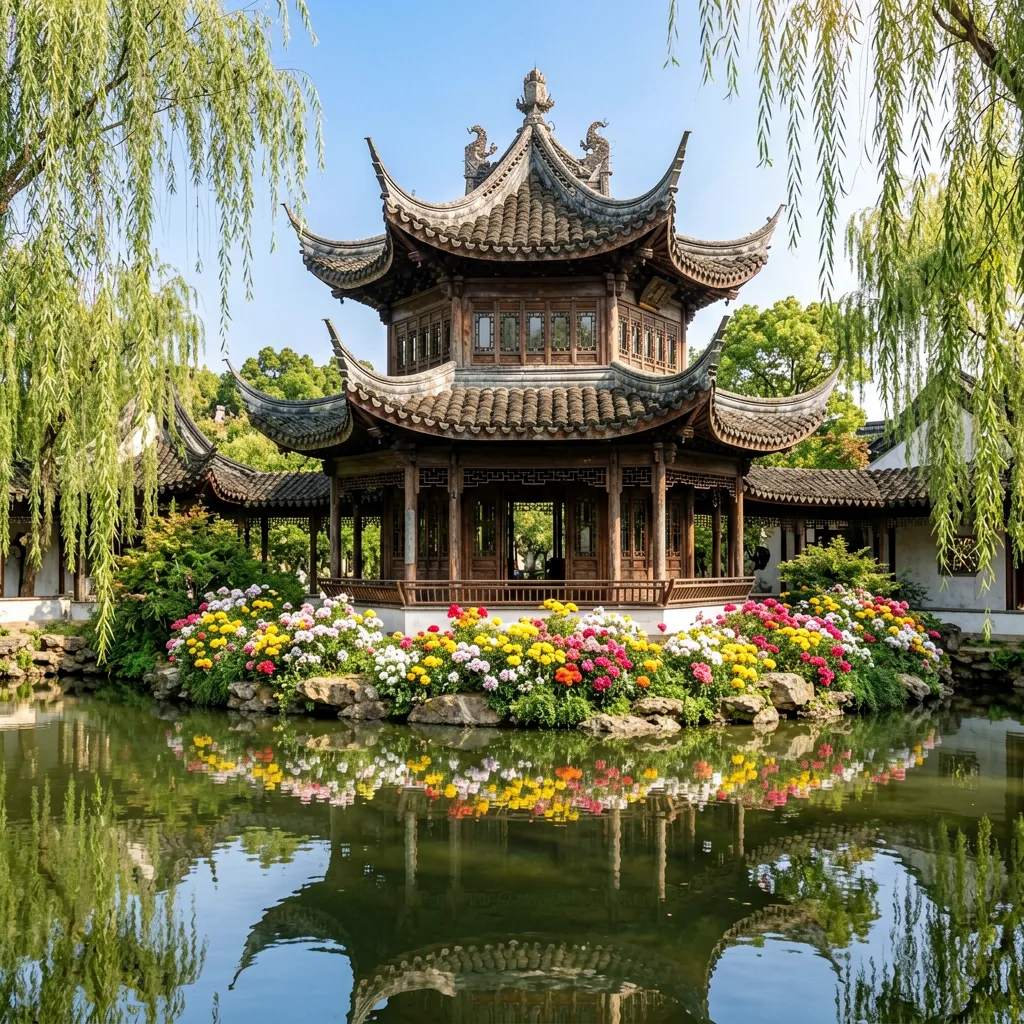
Wanhua Tower. Wanhua Tower is an elegant and exquisite pavilion within the Yu Garden, renowned for its carved beams, painted rafters, and intricate wood carvings. In the past, this tower served as the garden owner's retreat for appreciating flowers and savoring tea. Surrounded by lush trees and blooming flowers, it exudes fragrance throughout the four seasons. Ascending the tower, visitors can overlook the garden's curious rockeries, artificial hills, winding paths, and covered corridors, experiencing the marvelous charm of Jiangnan-style gardens, where scenery shifts with every step. The interior furnishings are quaint, and the lattice windows are exquisitely carved with delicate patterns, showcasing the superb craftsmanship of Jiangnan artisans during the Ming and Qing dynasties. During the flowering season, leaning against the railing and gazing into the distance, one feels as if immersed in an ocean of blossoms—hence the name "Wanhua," meaning "Ten Thousand Flowers."

Inner Garden

Sight 6

Inner Garden

内园

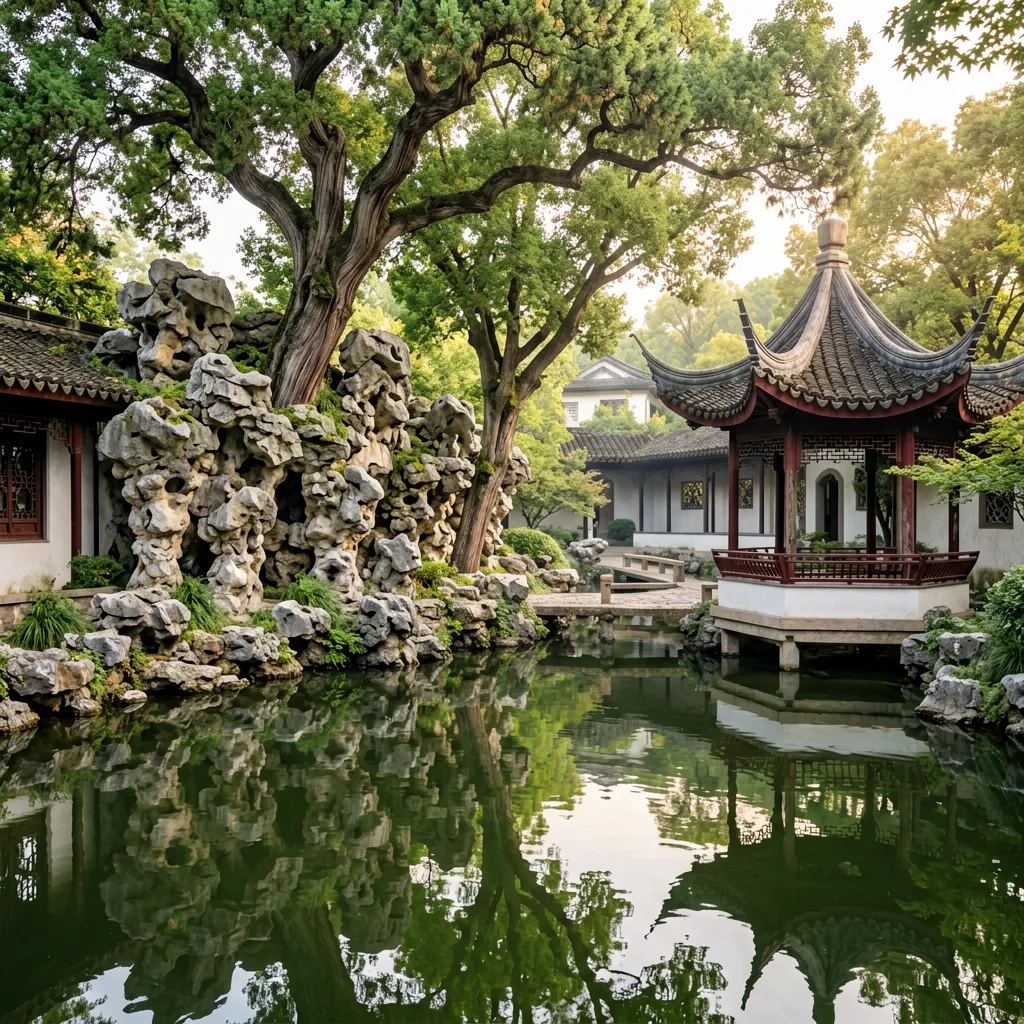
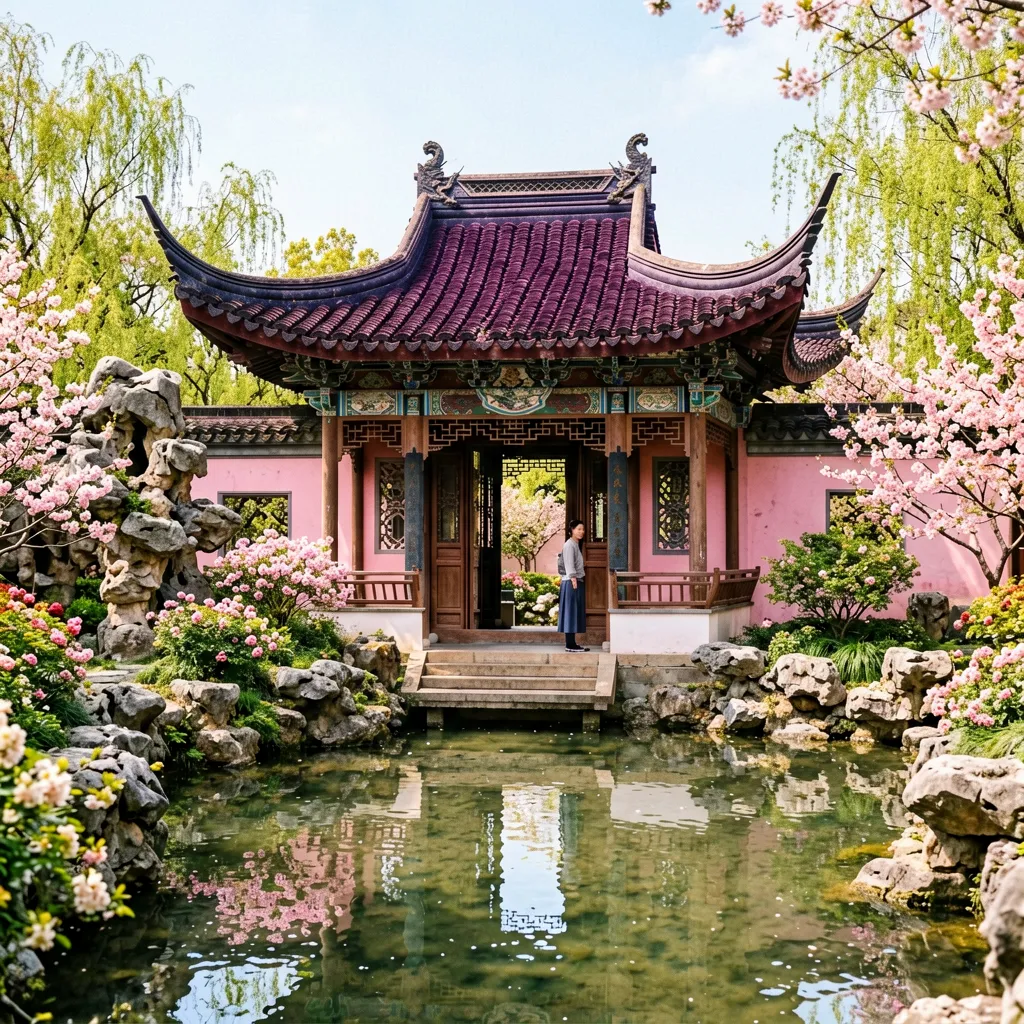
The Inner Garden. The Inner Garden is the essence of Yuyuan Garden, originally built during the Qing Dynasty, and is renowned for its exquisite Jiangnan-style garden layout. Within the garden, rockeries, stacked stones, pavilions, and terraces are arranged in pleasing disarray, embodying the gardening artistry of "seeing the grandeur within the miniature." Key highlights include the Taihu stone "Yulong" (Exquisite Jade) in front of the Yuhua Hall, as well as meandering cloisters and a rustic stage. This was once a gathering place for literati and scholars; strolling through it, one can experience the tranquility and elegance of traditional gardens. It serves as an excellent window into understanding Jiangnan classical architecture and the lifestyle of the literati.