Humble Administrator's Garden

Heritage · 江苏省 · 拙政园

Humble Administrator's Garden

Suzhou

Humble Administrator's Garden · ChinaMazing

Discover

Core Sights

The essential sights — what they are, and when to go.

Yuanxiang Hall

Sight 1

Yuanxiang Hall

远香堂

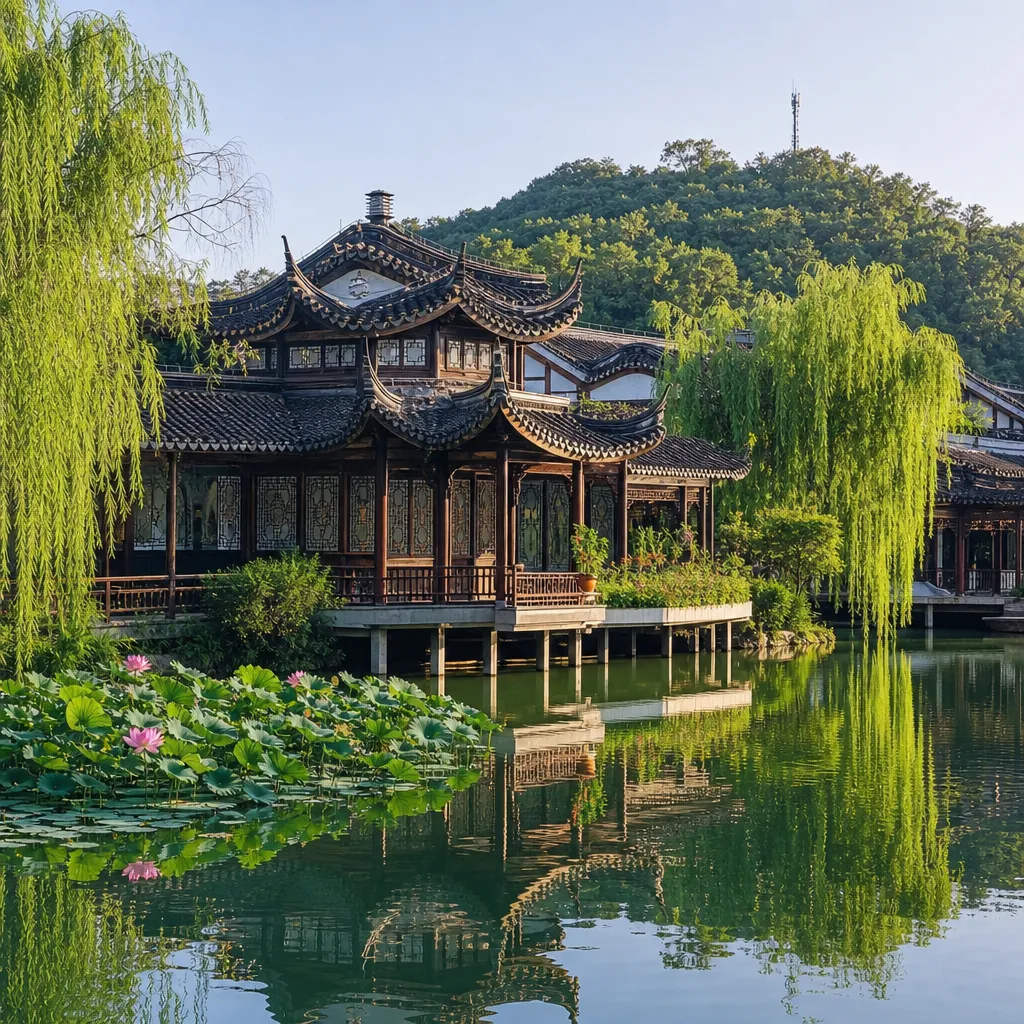
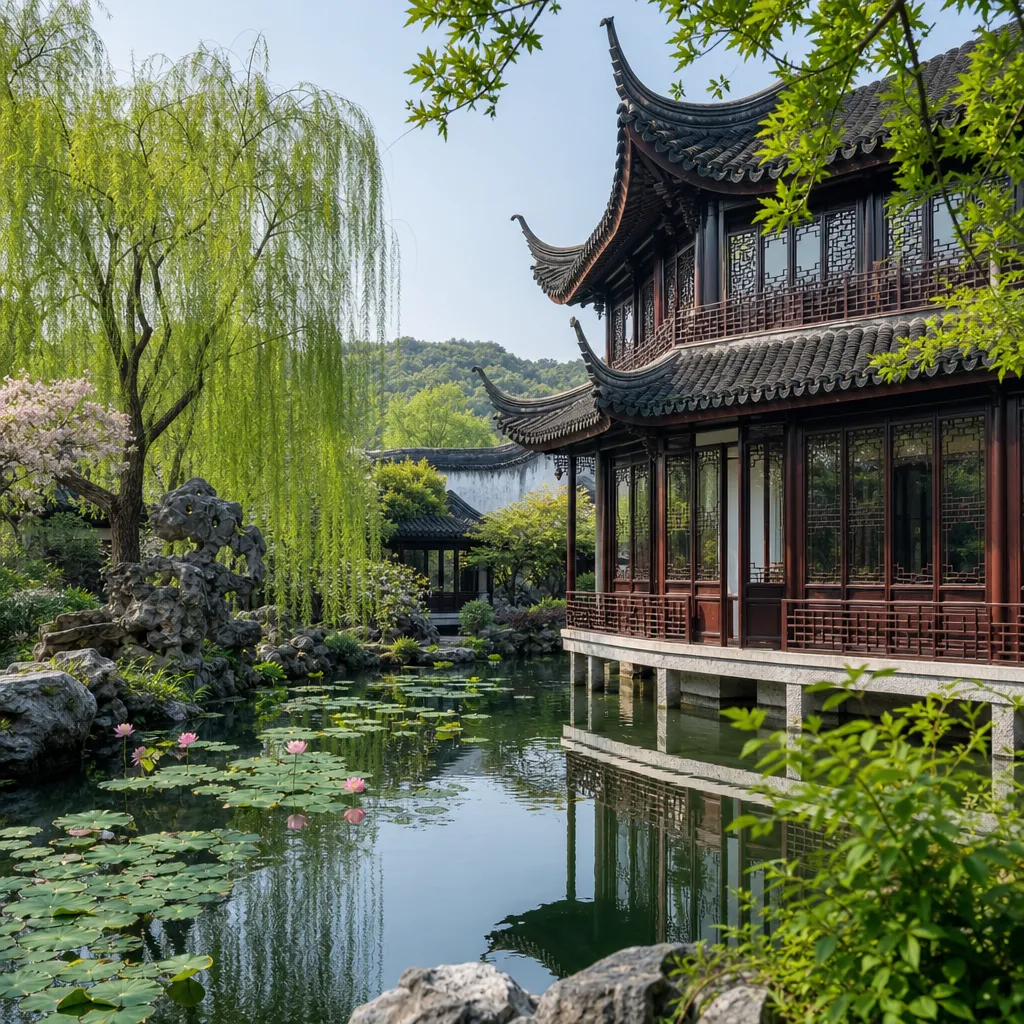
Yuanxiang Hall. This is the main structure in the central section of the Humble Administrator's Garden. Designed as a four-sided hall with floor-to-ceiling windows on all sides, it offers panoramic views of the surrounding garden scenery. In front of the hall lies a lotus pond; in summer, when the lotuses are in full bloom, gentle breezes carry waves of fragrance — hence the name "Yuanxiang" (Distant Fragrance), inspired by Zhou Dunyi's line "the fragrance is more pure from a distance" in his essay *On the Love of the Lotus*. It is an ideal spot to admire lotus flowers and take in the views, as well as a classic example of the borrowed scenery and layered spatial beauty typical of Jiangnan gardens.
Pavilion of Lotus Breeze on All Sides

Sight 2

Pavilion of Lotus Breeze on All Sides

荷风四面亭

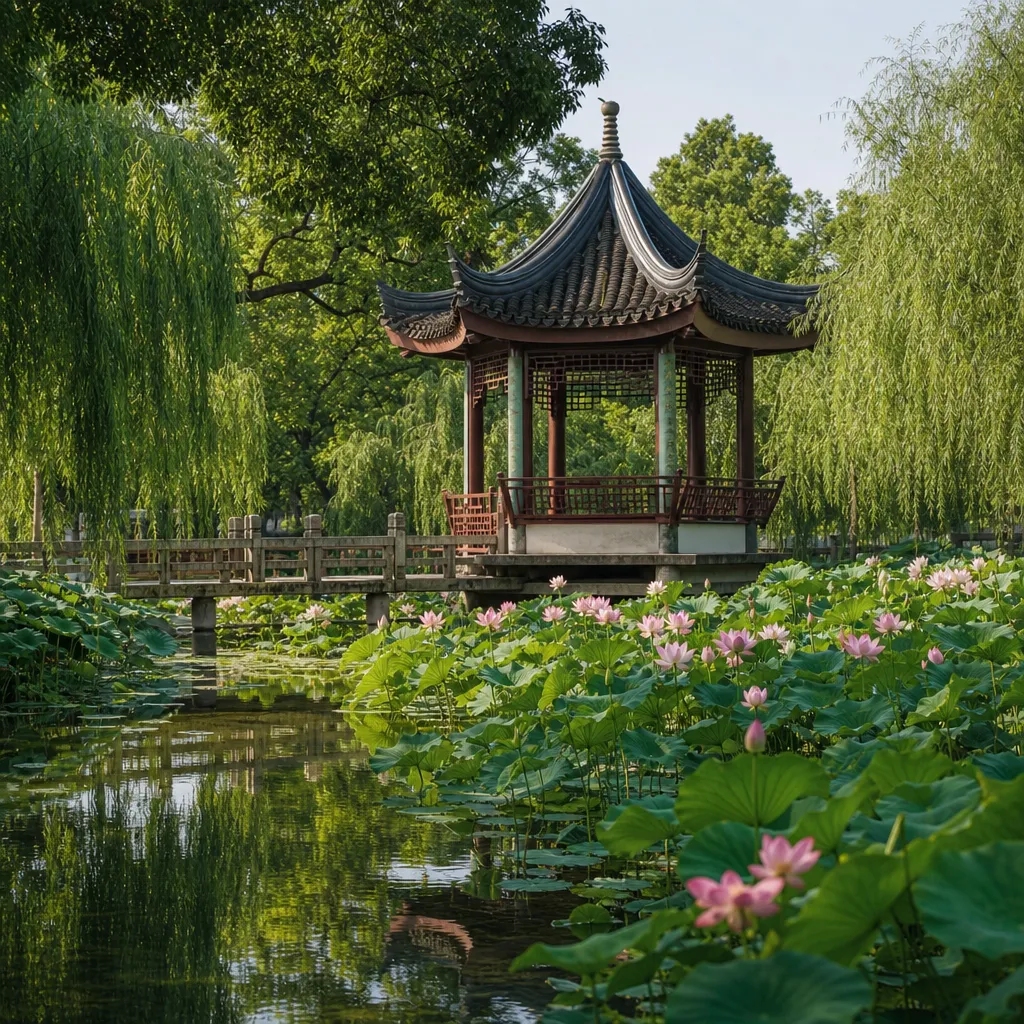
Lotus Breeze Pavilion. Situated at the heart of the central pond in the Humble Administrator's Garden, the Lotus Breeze Pavilion is surrounded by water on all sides and connected by winding bridges, making it an ideal spot for admiring lotus flowers and taking in the scenery. The pavilion's name draws from the poetic phrase "the breeze carries the fragrance of lotus," evoking summer days when lotus blooms fill the air with their scent as a gentle wind passes by. With vast water vistas stretching around it, the pavilion borrows distant views of the North Temple Pagoda while offering close-up sights of fish playing in the water, each season presenting its own distinct charm. Cleverly positioned to harmonize with the natural terrain, this pavilion exemplifies the Jiangnan garden artistry of "borrowed scenery" and "the interplay of substance and emptiness," making it an essential stop for visitors seeking to experience the poetic essence of classical Chinese gardens.

See the Mountain Tower

Sight 3

See the Mountain Tower

见山楼

Seeing-the-Mountain Tower. Located in the central part of the Humble Administrator's Garden, Seeing-the-Mountain Tower is an important waterside structure surrounded by water on three sides, resembling a painted pleasure boat. Its name is derived from a line by the poet Tao Yuanming: "Plucking chrysanthemums beneath the eastern hedge, I gaze at the southern mountains in leisure," conveying the idea that one can enjoy distant mountain views from within the garden. The lower level of the building is elevated above the water, while the upper level is reached via a tunnel through a rockery of piled Taihu stones—a design of great ingenuity. In summer, cool breezes drift through, making it an ideal spot for admiring lotus blossoms and watching fish. Here, one can experience the dynamic charm of Jiangnan gardens, where "water flows around the tower, and the tower arises from the water."

Fragrant Isle

Sight 4

Fragrant Isle

香洲

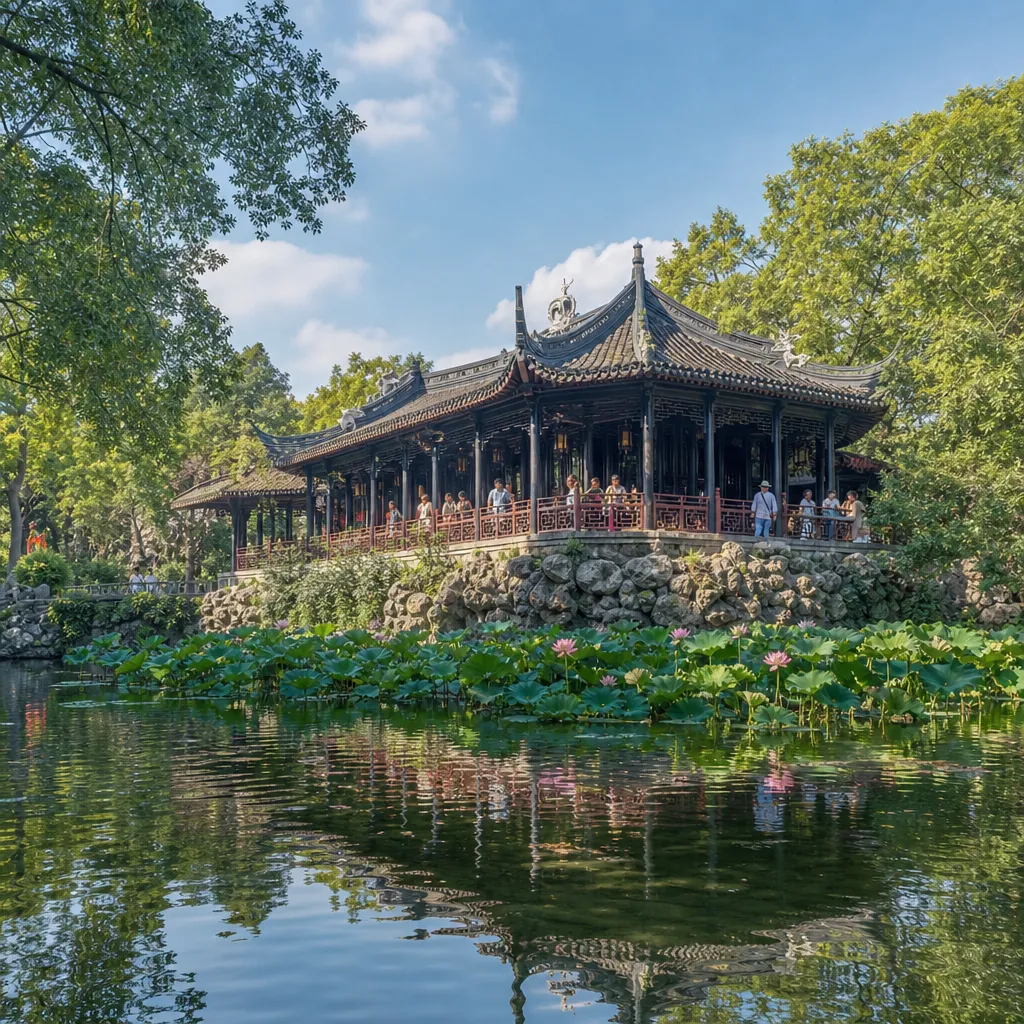
Fragment Isle. The Fragrant Isle, a boat-shaped waterside structure in the Humble Administrator's Garden, is hailed as the most poetic spot within the garden. Composed of a corridor, a pavilion, and a two-story building, it resembles a painted pleasure boat resting serenely on the water from a distance. The architecture is exquisitely adorned, with finely carved lattice windows and hanging ornaments, surrounded by pond waters that are especially enchanting when lotus blossoms bloom in summer. This spot once symbolized the garden owner's devotion to nature and seclusion from worldly affairs, reflecting the aesthetic ideals of ancient Chinese literati gardens.

Little Flying Rainbow Bridge

Sight 5

Little Flying Rainbow Bridge

小飞虹

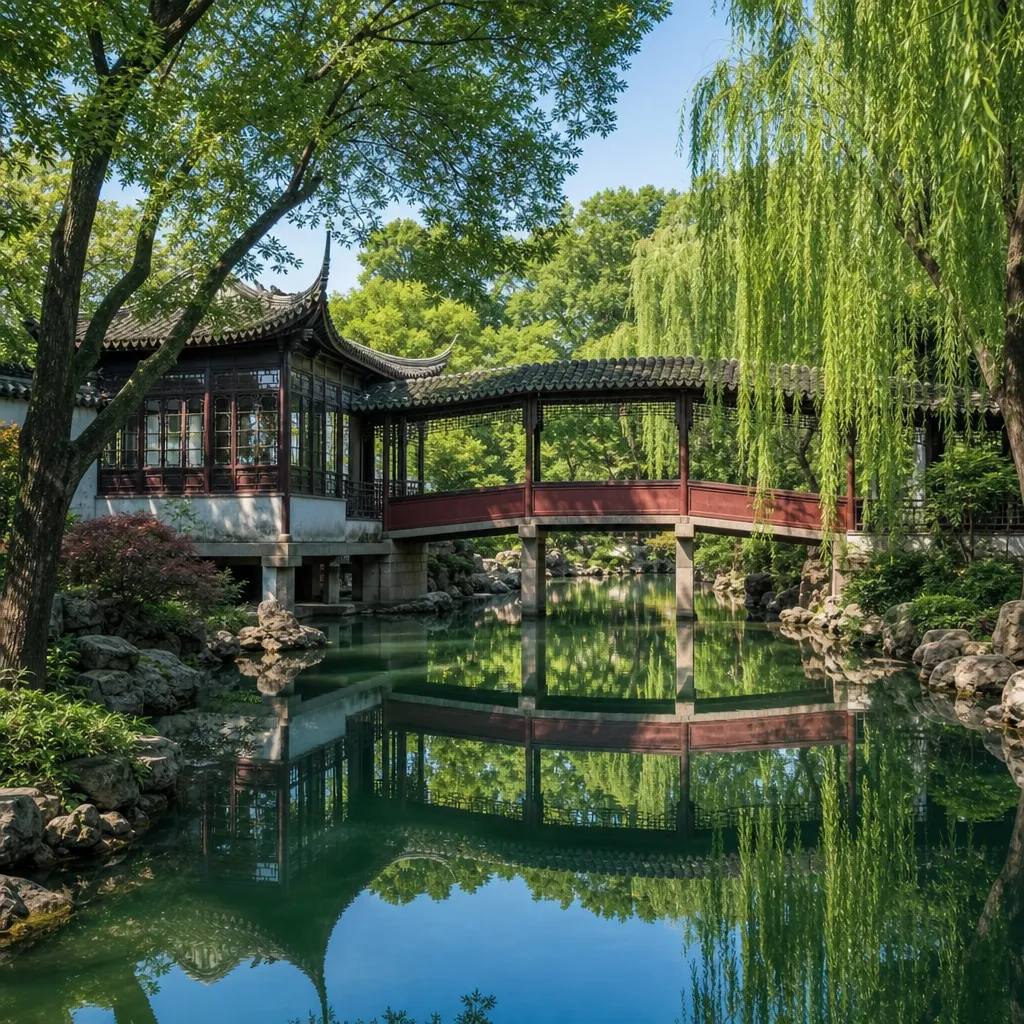
Little Flying Rainbow Bridge. As the only covered bridge in Suzhou's Humble Administrator's Garden, Little Flying Rainbow Bridge spans the water with a gently arched deck, its vermilion railings and dark-tiled gallery roof creating a delightful contrast. Its name derives from the imagery of a "flying rainbow": on sunny days, the bridge's reflection in the water resembles a shimmering rainbow floating upon the waves, light and graceful. Beneath the bridge, water murmurs softly by, while ancient trees tower around, framing a three-dimensional Jiangnan landscape together with the pavilions and terraces in the distance. As a rare example of a covered bridge in classical Chinese gardens, Little Flying Rainbow Bridge both facilitates passage and delineates space, embodying the ingenious garden design principle of "ever-changing views with every step" that defines Suzhou gardens—an unmissable highlight for experiencing the beauty of Chinese aesthetics.

Secluded Retreat of Firmiana and Bamboo

Sight 6

Secluded Retreat of Firmiana and Bamboo

梧竹幽居

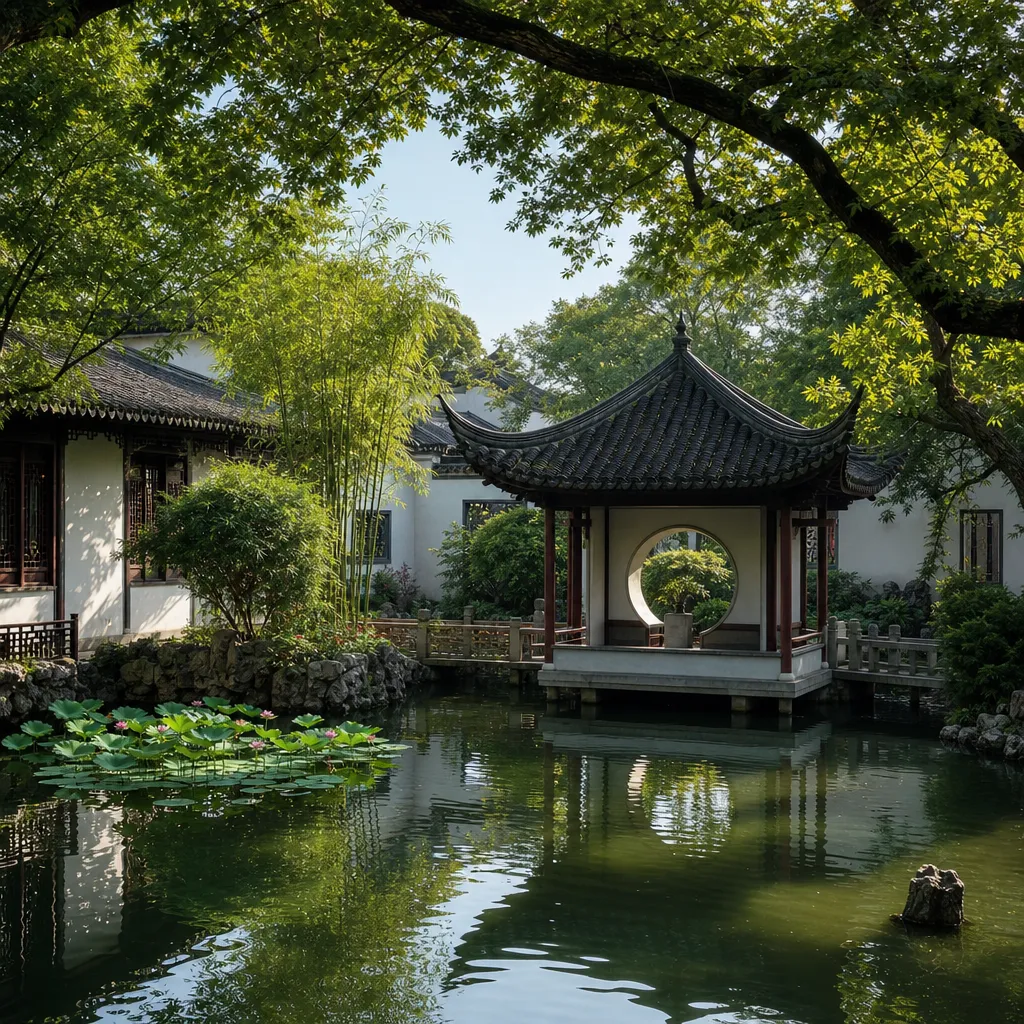
Wuzhu Youju (Pavilion of Paulownia and Bamboo) is a waterside pavilion in the central section of the Humble Administrator's Garden. Surrounded by paulownia trees and bamboo, it derives its name from these plants, symbolizing nobility and elegance. The pavilion features four circular doorways on its four sides, framing the scenery of the four seasons like picture frames—spring willows, autumn maples, summer lotus, and winter snow all become living paintings within these frames. The design skillfully employs the techniques of "framed scenery" and "borrowed scenery." Standing here, visitors can admire the shimmering waters and experience the subtlety and poetic charm of Jiangnan gardens. It is an exceptional spot to appreciate the art of classical Chinese garden design.

Who Shall Sit with Me Pavilion

Sight 7

Who Shall Sit with Me Pavilion

与谁同坐轩

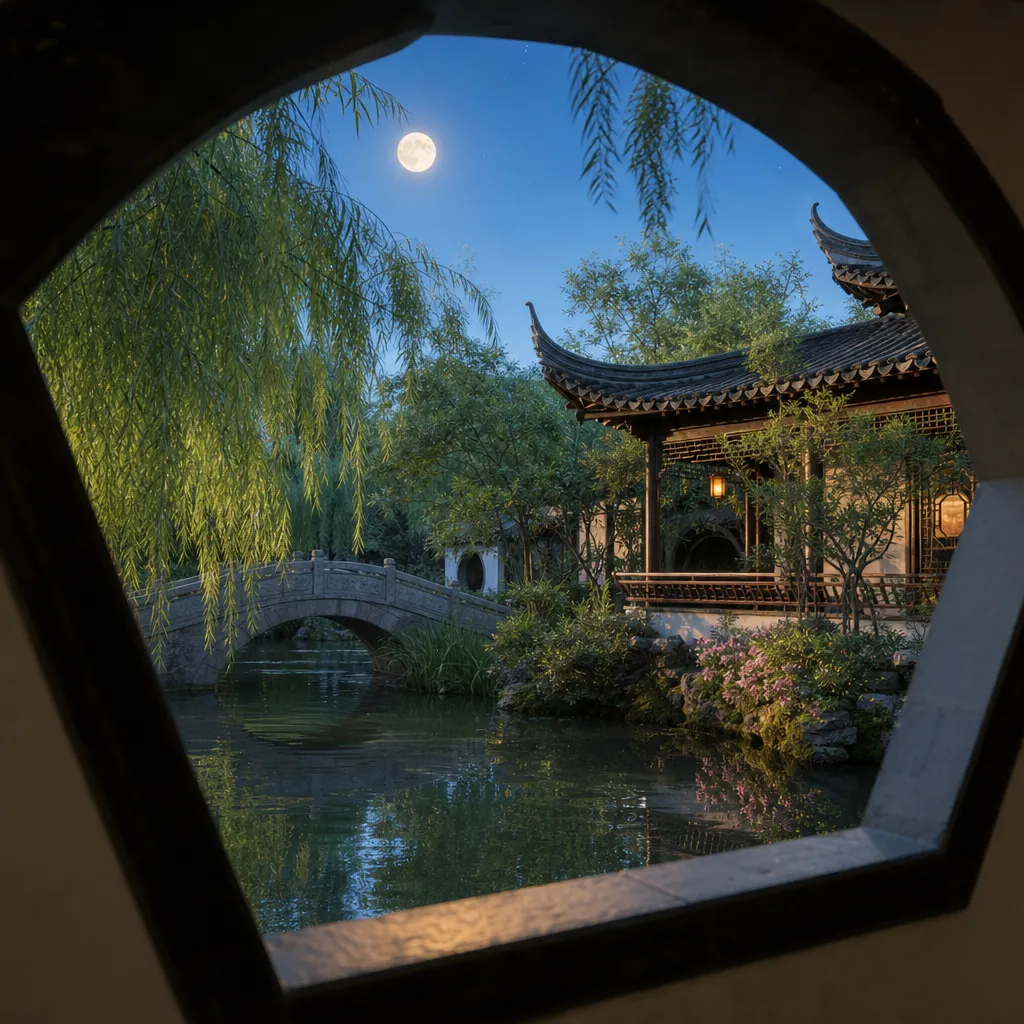
"With Whom Shall I Sit" Pavilion. This fan-shaped pavilion in the western section of the Humble Administrator's Garden takes its name from a line by the Song dynasty poet Su Shi, evoking the sentiment of keeping company with the gentle breeze and bright moon. Built beside the water, it offers seasonal views through its windows, while the fan-shaped window frames, stone table, and lattice openings echo one another ingeniously, creating a visual effect of "scenes within scenes." Its distinctive form harmonizes charmingly with the surrounding rockeries and flora, making it an ideal spot for quiet contemplation and scenic appreciation. The pavilion exemplifies the classical Chinese garden philosophy of "borrowing scenery to express emotion."

Eat

Local Eats

The local dishes worth crossing town for.

Squirrel-shaped Mandarin Fish
Eat 1

Squirrel-shaped Mandarin Fish

松鼠桂鱼

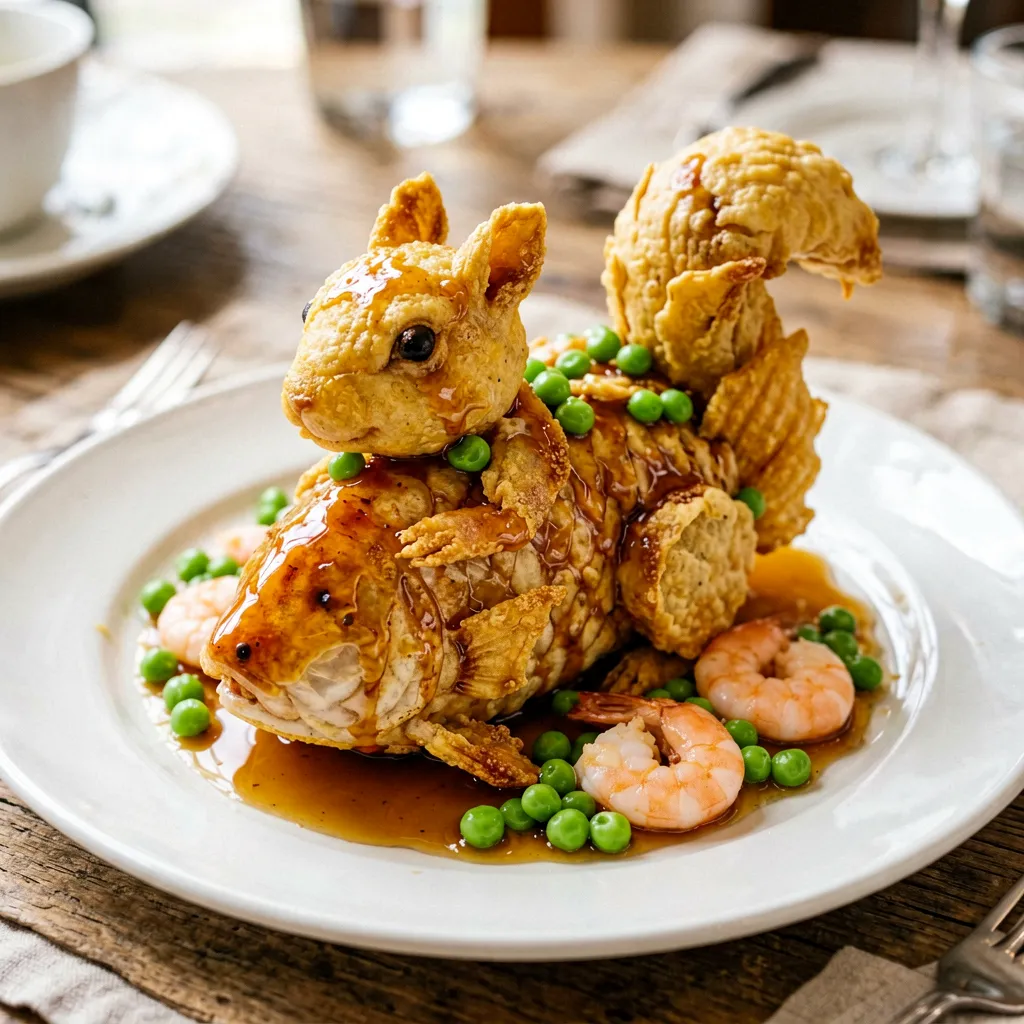
Squirrel-Shaped Mandarin Fish. This is a traditional Suzhou dish, named for the fish's squirrel-like shape after frying and the sizzling sound it makes when sauce is poured over it. Fresh mandarin fish is carefully cut, coated, and deep-fried until crispy on the outside and tender inside, then topped with a sweet-and-sour tomato sauce. The dish gleams golden and offers a tangy, appetizing flavor. It demands precision in knife work and mastery of heat, making it a signature of Suzhou cuisine. After a stroll through the Humble Administrator's Garden, consider stopping by a nearby restaurant to savor this authentic Jiangnan delicacy and experience the refinement and ingenuity of Suzhou's culinary culture.

Biluochun Shrimp
Eat 2

Biluochun Shrimp

碧螺虾仁

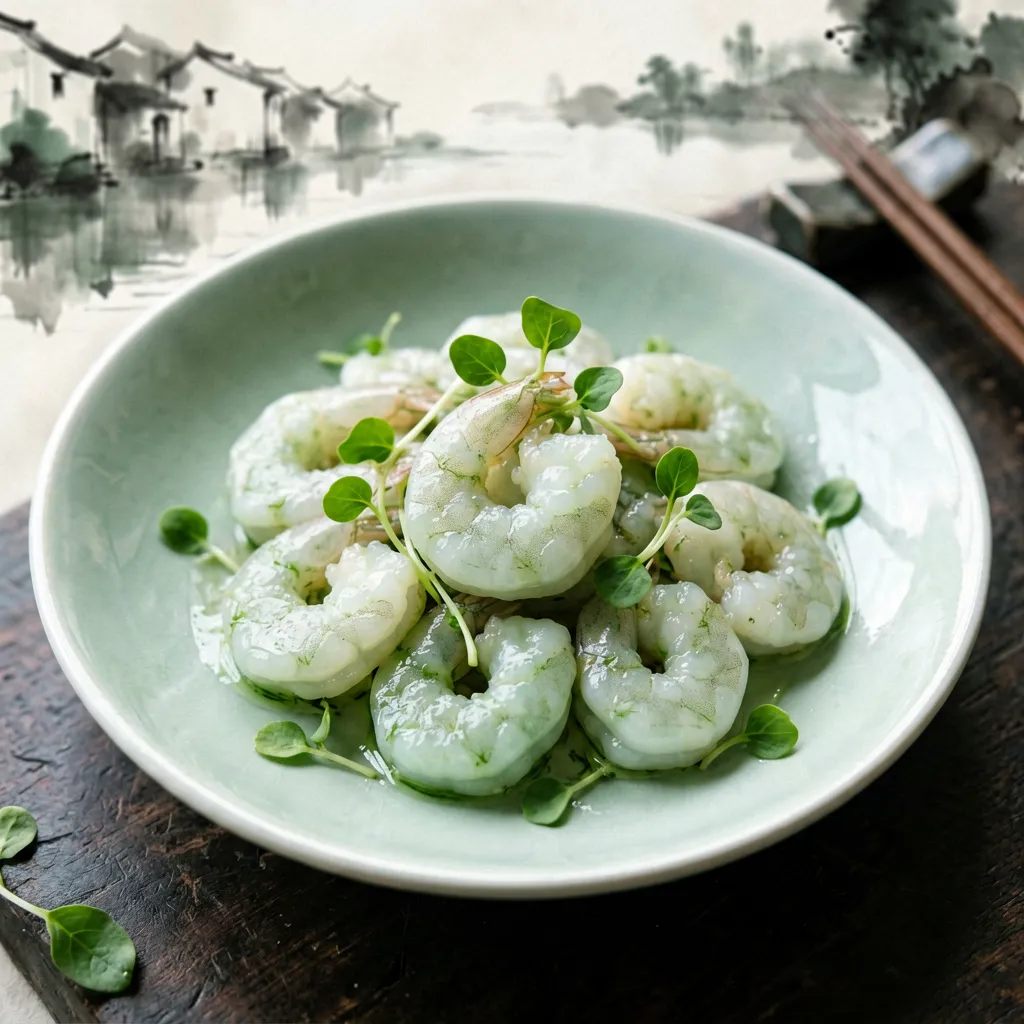
Bilu Shrimp is a classic of Suzhou cuisine, made with fresh shrimp from Taihu Lake and prepared with Biluochun tea juice. The shrimp are translucent and silky, with a delicate tea fragrance that is refreshing and not at all greasy. This dish artfully blends the freshness of the Jiangnan water towns with

Sizzling Eel
Eat 3

Sizzling Eel

响油鳝糊

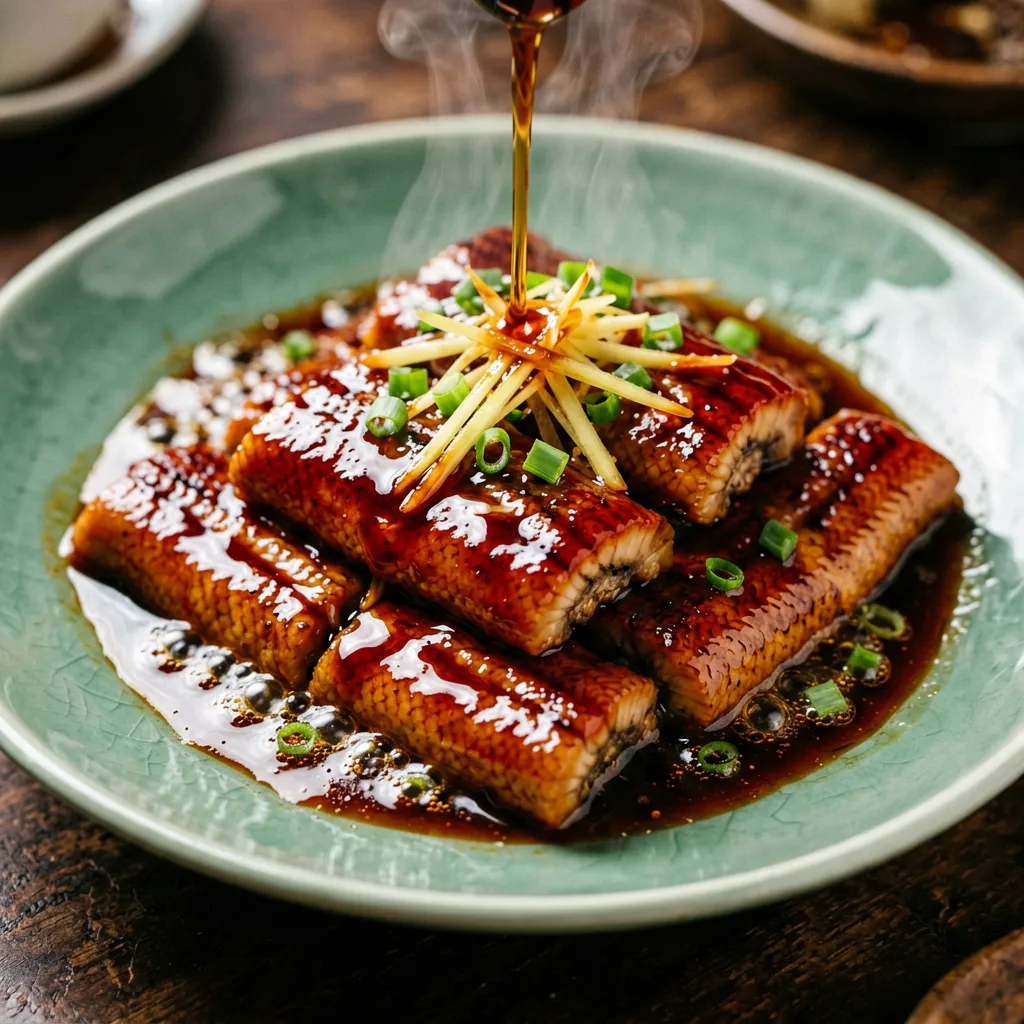
Sizzling Eel. Sizzling Eel is a classic Suzhou dish, named for the sizzling sound made when hot oil is poured over it at the table. Fresh eels are finely shredded and quickly stir-fried over high heat with scallions, ginger, garlic, Shaoxing wine, and soy sauce, then finished with a splash of scalding sesame oil that releases an immediate burst of aroma. The finished dish glistens with a rich, glossy sheen, offering a silky-smooth texture and a savory-sweet flavor—making it a quintessential taste of Suzhou cuisine's signature "rich oil and dark sauce" style. Enjoying this dish at a restaurant near the Humble Administrator's Garden, with its classical scenery in view, adds an extra layer of Jiangnan elegance to the experience.

Crab Meat Tofu
Eat 4

Crab Meat Tofu

蟹粉豆腐

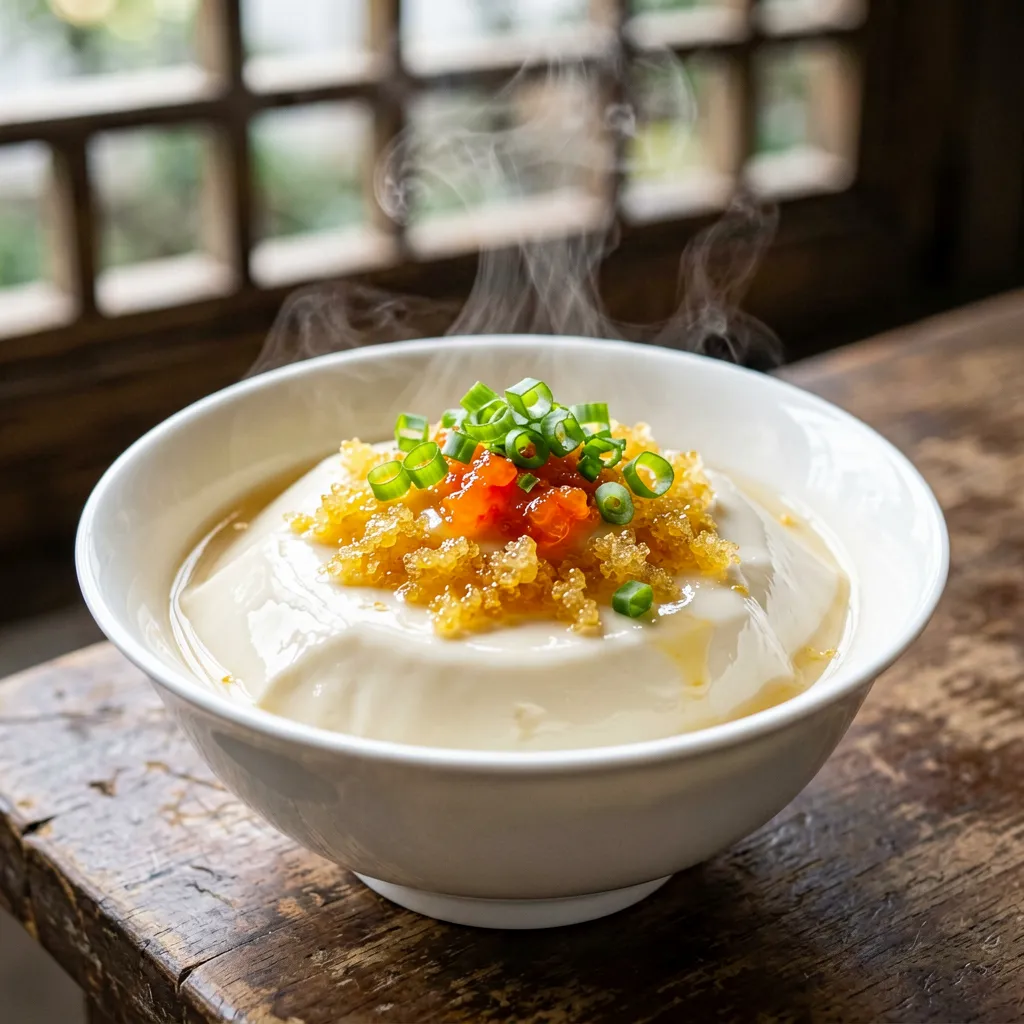
Crab Meat Tofu. After touring the Humble Administrator's Garden, savoring a bowl of authentic crab meat tofu is a wonderful way to experience Suzhou's culinary culture. This dish combines freshly prepared crab roe and crab meat with silky smooth tofu, simmered together in a golden, glistening broth that is fragrant and delightfully tender. Suzhou locals follow the principle of "eating only in season," and this dish reaches its peak flavor in autumn when crabs are at their fattest. It exemplifies the refinement and balance of Jiangnan cuisine, echoing the gentle elegance of the region's classical gardens. As a light and delicate dish, it is best enjoyed with a touch of vinegar, which enhances its natural sweetness.

Sweet Porridge
Eat 5

Sweet Porridge

糖粥

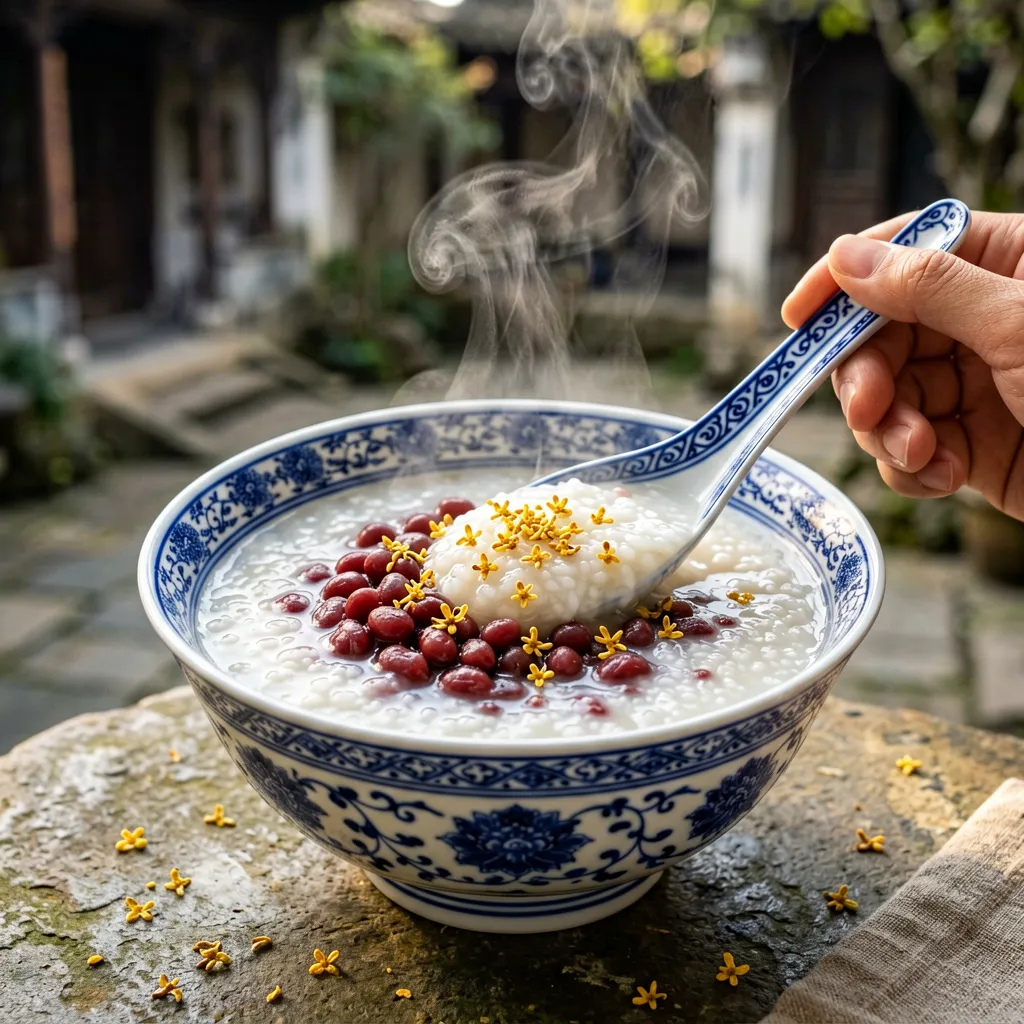
Sugar Porridge (Tang Zhou). Sugar porridge is a traditional street snack in Suzhou, made by slowly simmering glutinous rice into a thick, smooth porridge base, then topped with red bean paste or osmanthus syrup for a sweet, fragrant, and soft texture. In old shops near the Humble Administrator's Garden, it is often served in blue-and-white porcelain bowls, paired with crispy small glutinous rice balls, offering a rich layering of textures. This dessert not only reflects the Jiangnan people's attention to seasonality and cooking precision but also serves as a light and delightful way to experience local life after touring the gardens. Visitors can choose their preferred sweetness level, and it can be enjoyed either hot or cold.